U'GOOD
Relational well-being in young people of the Global South
How are the young people of Cuenca really doing?
That's the question we've been asking ourselves for years. And now, for the first time, we have the tools to answer it rigorously.
Huasipichanga is part of u'GOOD (Urban Youth: Gauging Our Opportunities and Development), the first global research program on relational well-being among young people in the Global South. A program that doesn't study young people from the outside, but rather places them at the center.
The program
u'GOOD is a five-year multilateral initiative (2023–2028), funded by Switzerland's Fondation Botnar and administered by South Africa's National Research Foundation (NRF) and the Human Sciences Research Council (HSRC).
It operates in 9 countries of the Global South:
Colombia, Ecuador, Ghana, India, Indonesia, Romania, South Africa, Tanzania, and Vietnam, through 23 research projects that address four major thematic areas: livelihoods, mental health, digitalization, and climate change.
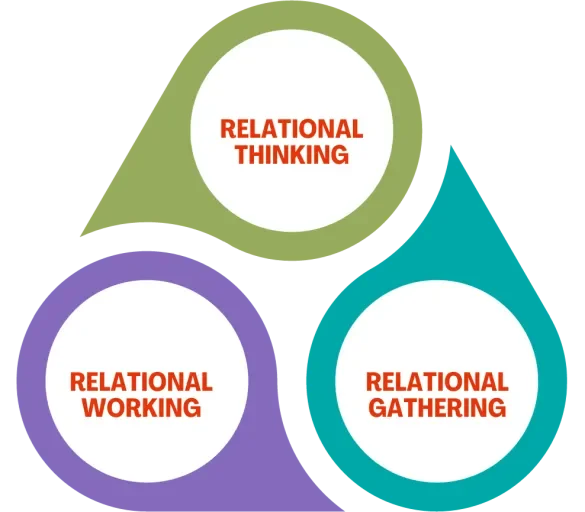
Its starting point is a simple but transformative premise: well-being is not an individual achievement. It is relational. It depends on the bonds we build, the neighborhoods we inhabit, and the cities that welcome us or exclude us.
The context in Ecuador
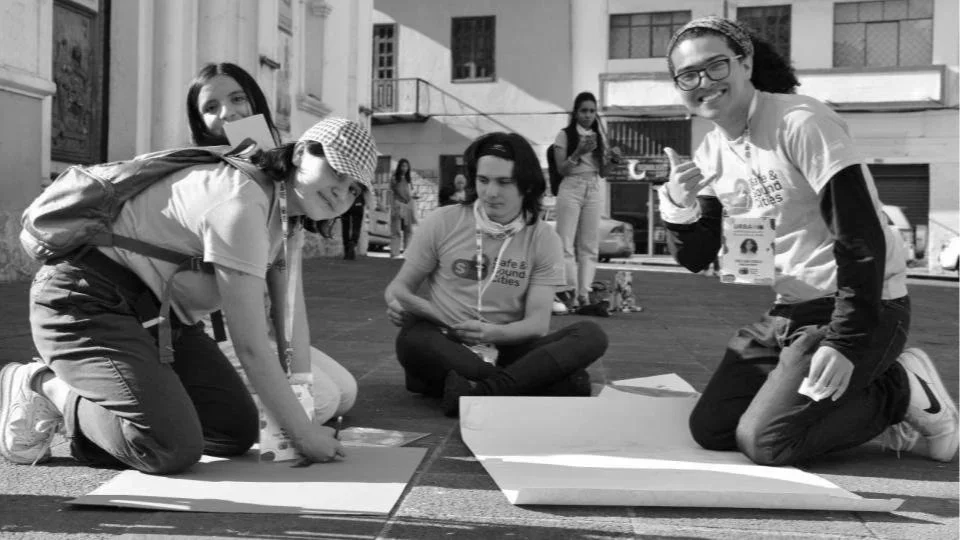
The data speaks for itself. A survey conducted by the Safe and Sound Cities Program (S2Cities) in 2023 and 2025, with more than 3,000 young people between the ages of 15 and 29 in Cuenca and Ambato under the S²Cities program, revealed that more than 63% reported having experienced depression, anxiety, or stress in the last twelve months. In Ecuador, suicide is the leading cause of death in this age group.
u'GOOD has arrived to fill that gap.
The SAY–Cuenca project
Within u'GOOD, Huasipichanga leads the SAY–Cuenca project (Socio-spatial Approach to Youth) together with the Universidad Católica de Cuenca (UCACUE): a study that examines how factors of urban space—mobility, access to green spaces, safety, neighborhood design—promote or harm the well-being and mental health of young people.
The research builds on the data already collected by the S²Cities program through the URBANO School project and incorporates new qualitative evidence: ethnographic observations, participatory walks with young people, and in-depth interviews. All from an approach that does not borrow theoretical frameworks from the Global North, but rather engages in dialogue with perspectives of the South, such as Sumak Kawsay—Buen Vivir (Good Living), a constitutional principle of Ecuador since 2008.
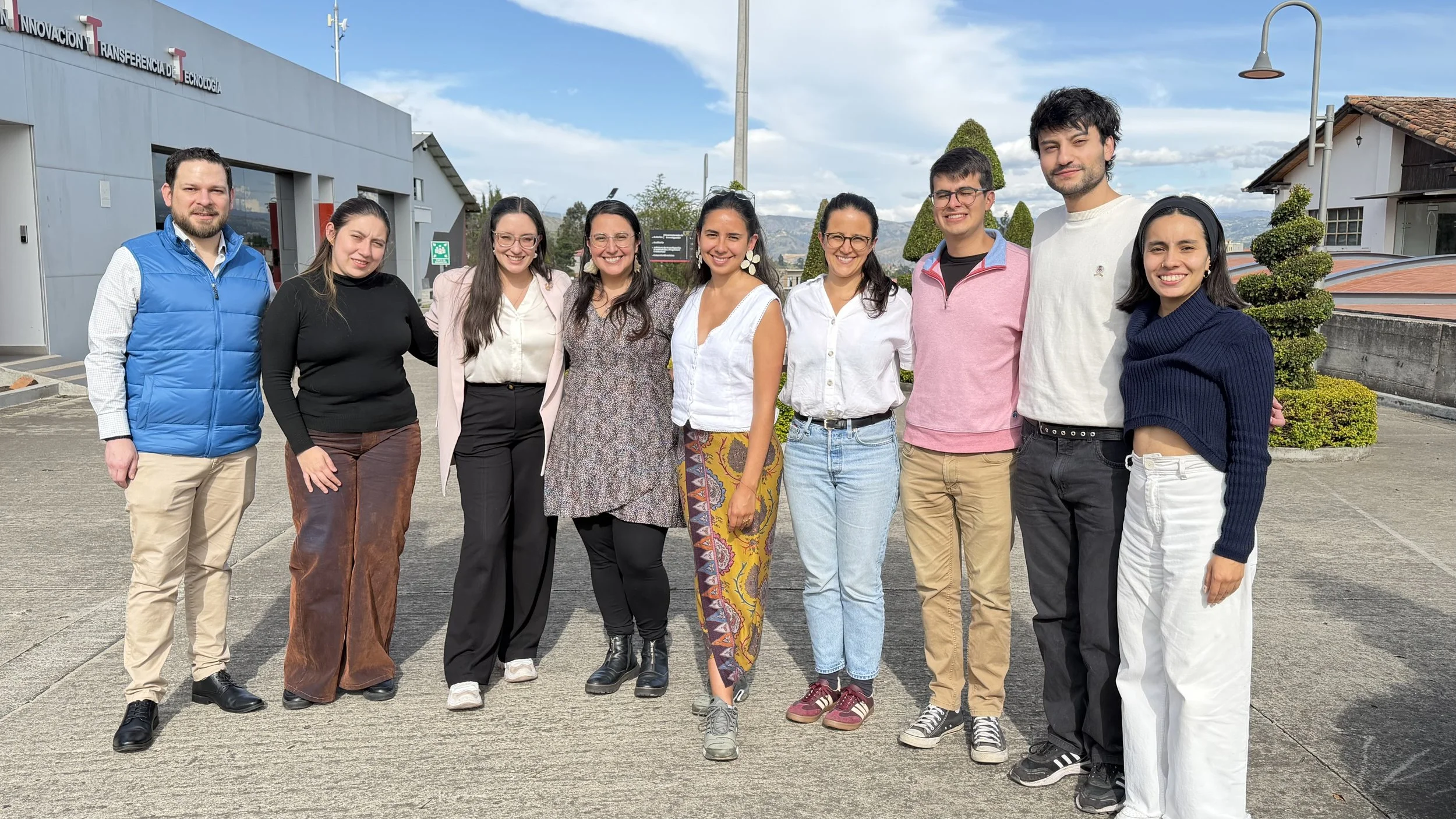
The team is deliberately transdisciplinary: UCACUE provides academic leadership, data analysis, and scientific rigor; Huasipichanga provides territorial experience, direct work with young people, and the knowledge accumulated from years of implementation in the city.
Why it matters
Understanding how urban space affects the well-being of young people is not just an academic question. It is a public policy question. The findings of the SAY–Cuenca project are intended to inform the implementation of the Mental Health Law, guide urban planning decisions, and strengthen the rights of young people in the city.
By the year 2050, 70% of people under 18 will live in urban settings. The cities we build today are the ones that will define the well-being of the next generation. Researching from within, with young people, from their own realities, is the only way to do it right.
Alliances
The SAY–Cuenca project is made possible thanks to the collaboration between:
u'GOOD · National Research Foundation (NRF) · Fondation Botnar · Human Sciences Research Council (HSRC) · Universidad Católica de Cuenca (UCACUE) · Huasipichanga