S2CITIES - CUENCA
See how we're changing Cuenca
Cuenca, as the third-largest city in Ecuador, stands out for a demographic in which more than a third of its residents are under 20 years old. The city places great emphasis on youth development and actively seeks partnerships with organizations and institutions committed to fostering entrepreneurship among its young population.
Together with Fundación Amaru and Integrar, at Huasipichanga we lead the transformation of public spaces by involving young people in their city, using solutions based on placemaking, the power of youth creativity, and nature-based designs.
Step by step, transforming Cuenca
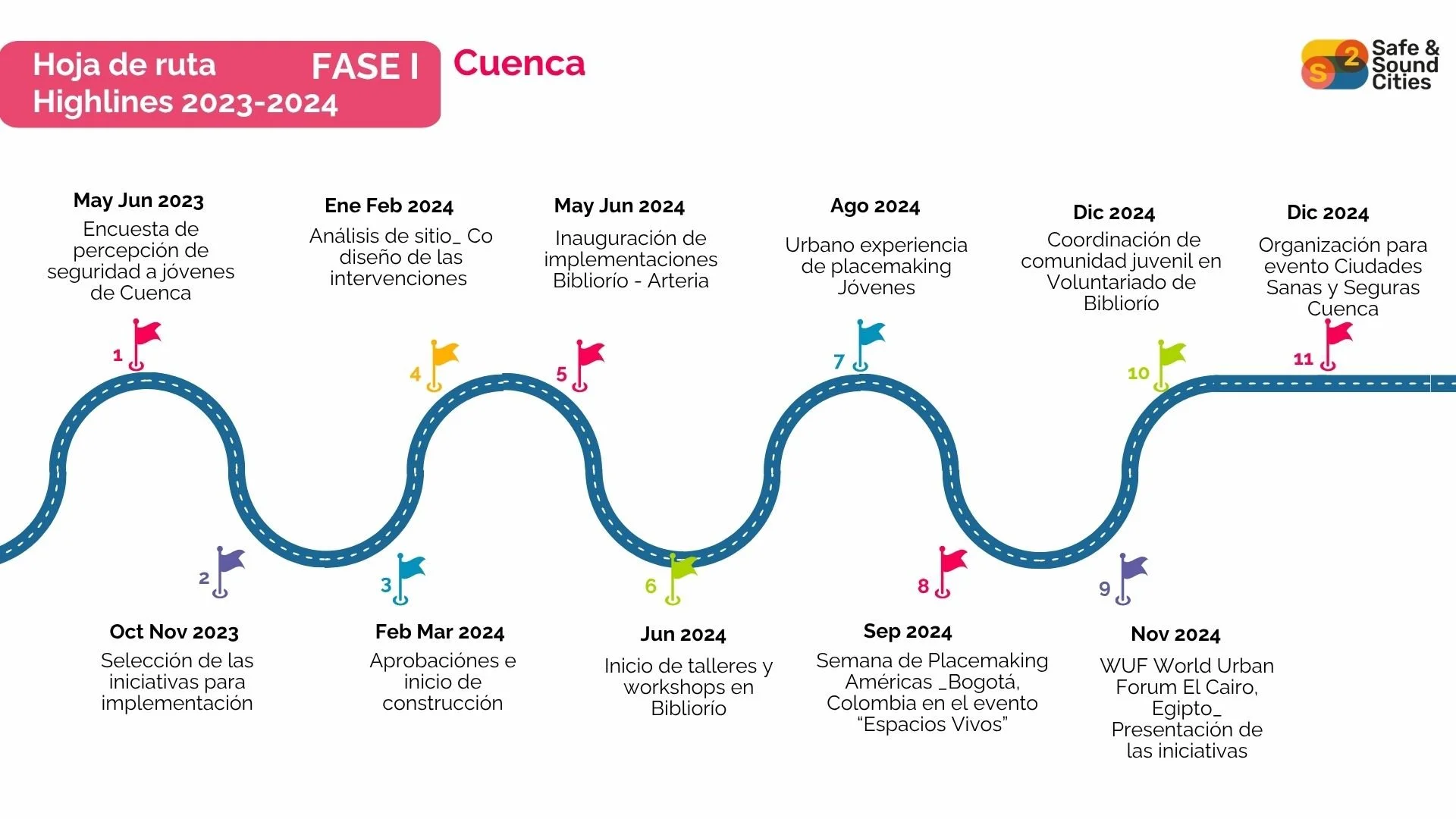
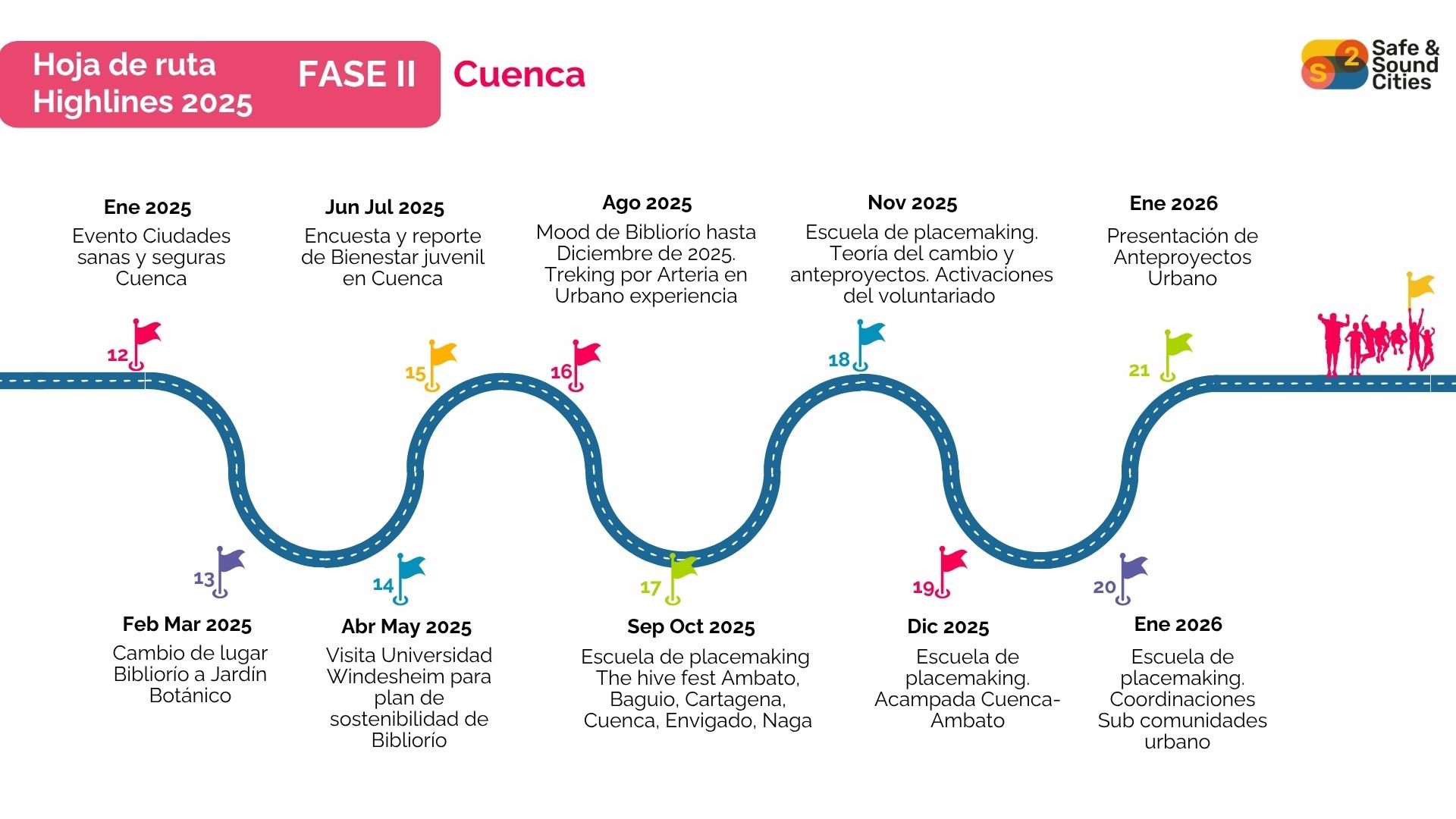
This is how the transformation of Cuenca is advancing. Explore Phases 1 and 2 of our roadmap and discover how each milestone brings us closer to a healthier, safer, and younger city.
Our route to change
Before transforming, you have to understand
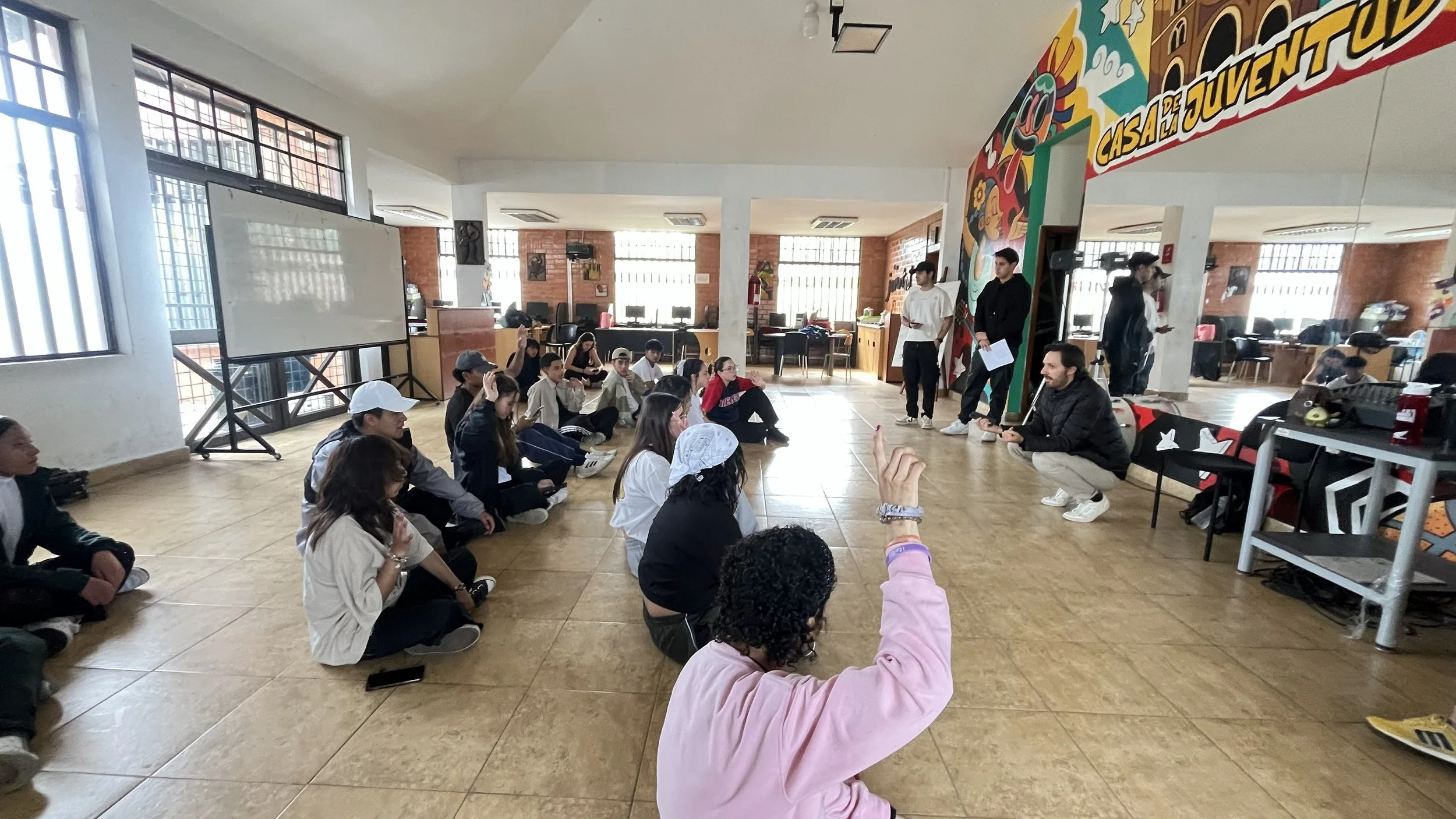
STEP 1: UNDERSTAND THE SYSTEM
We analyze how the city works from the perspective of young people's experience
During 2023 and 2025, we dedicated ourselves to understanding the reality of Cuenca's young people (ages 15–24): what they feel, what worries them, and what they need from their city. These are the findings that shaped everything that came afterward.
And you, how do you feel living in Cuenca?
We surveyed
+1,500 young people aged 15 to 24
We visited:
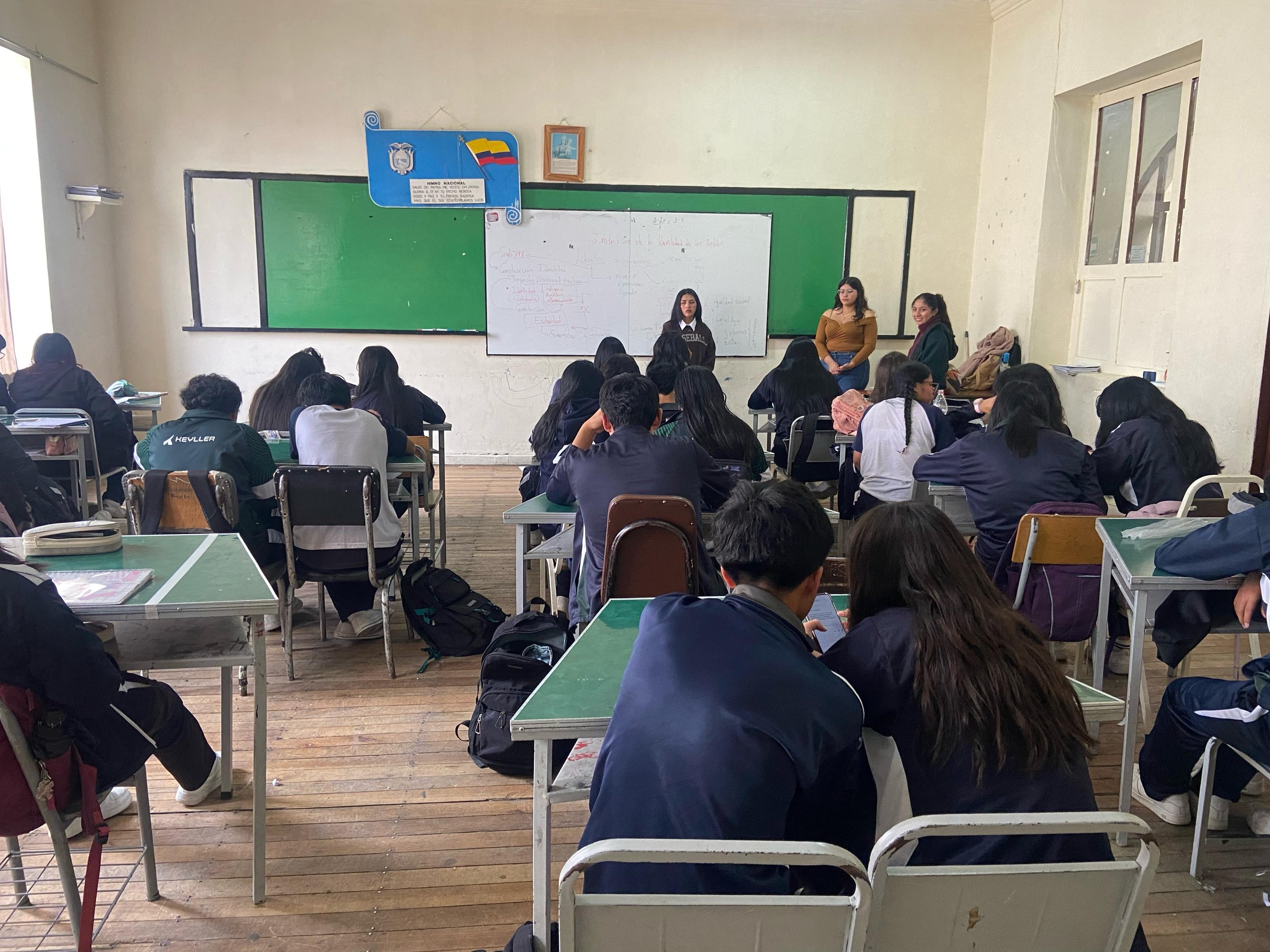
18 high schools
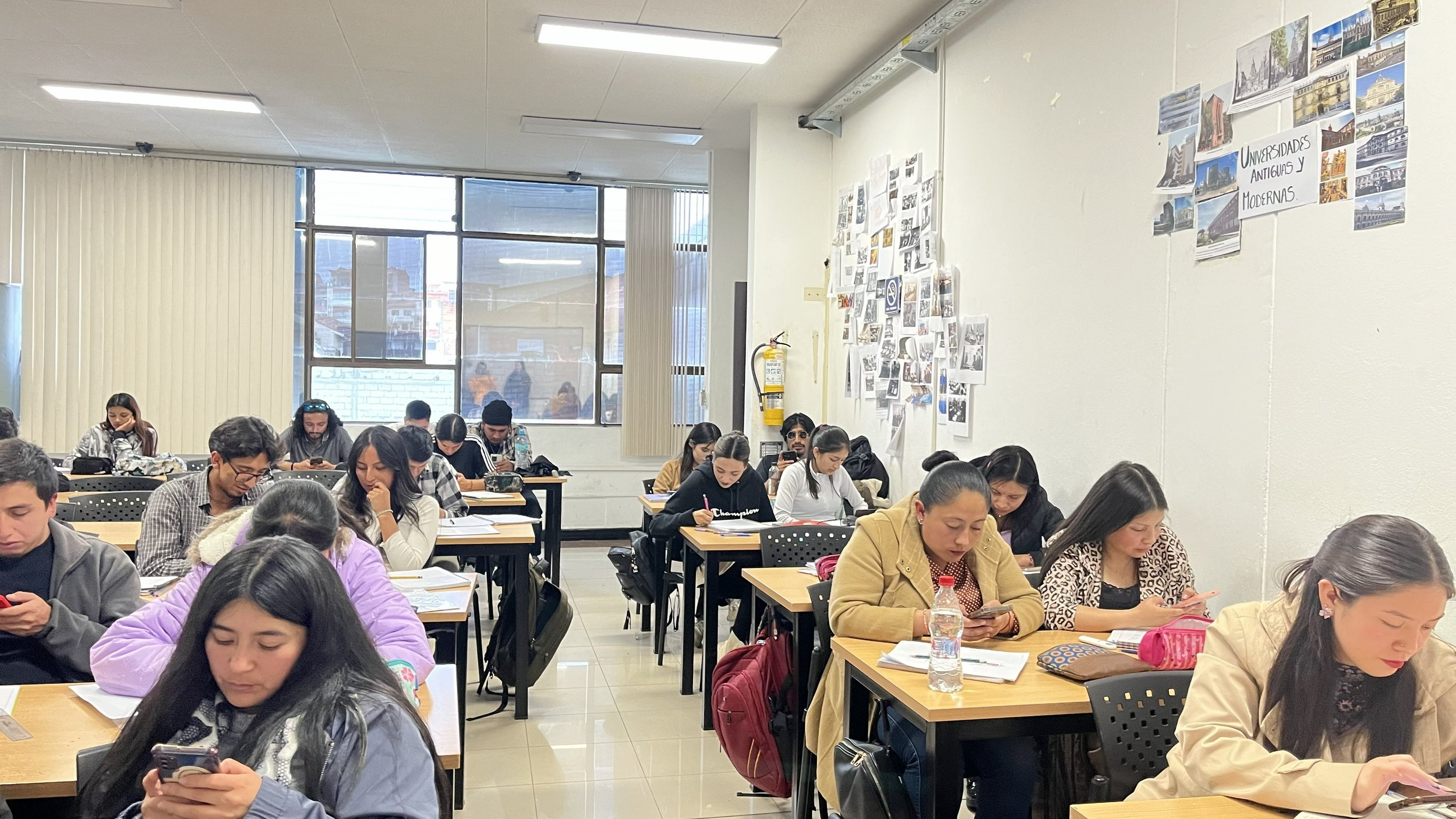
4 universities
This is what we found in 2023
A few figures that started it all:
2023 Well-being Survey
We didn't guess: we asked….
On 3 areas: Safety, Mobility, Well-being
We used the Maptionnaire tool
55%
40%
25%
Want to know all the data? Click here
feel constant fear
2025 Well-being Survey
We asked again…
In 2025, we returned to the streets to listen to young people once more, this time to design new projects based on their voices.
This is what they told us in 2025
Mental health:
48 %
of young people perceive insecurity in the streets. Robberies in public spaces are the main concern (42%), followed by armed crime, sexual harassment, and alcohol consumption.
use public transportation daily, although 41% of young women reported feeling exposed to assault or harassment when using it.
said they had felt discriminated against for being young, and 24% for being a woman.
75%
of young people said they had suffered anxiety, stress, or depression in the last year.
We launched the Safe & Sound Podcast
Reality told our way!
A space for young people to talk about the concerns and worries that they have about their well-being and safety. The stories and experiences reveal important data about the current situation in Cuenca and also spark discussion in search of solutions and ideas.
Some of the topics covered were: crime, harassment, road safety, mental health, job opportunities, citizen participation, and more.
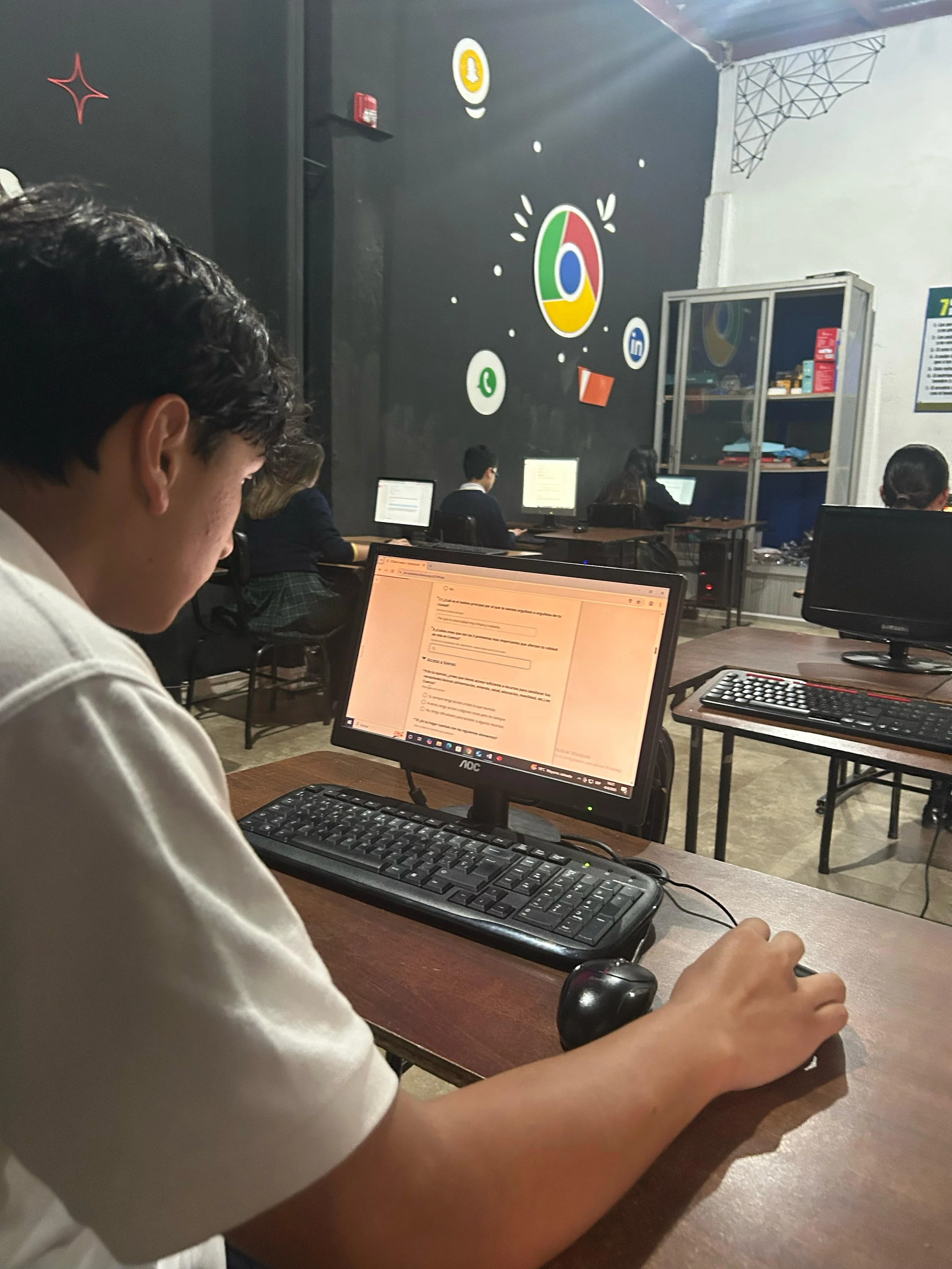
We surveyed +2,000 young people aged 15 to 24
We used the Kobo Toolbox tool
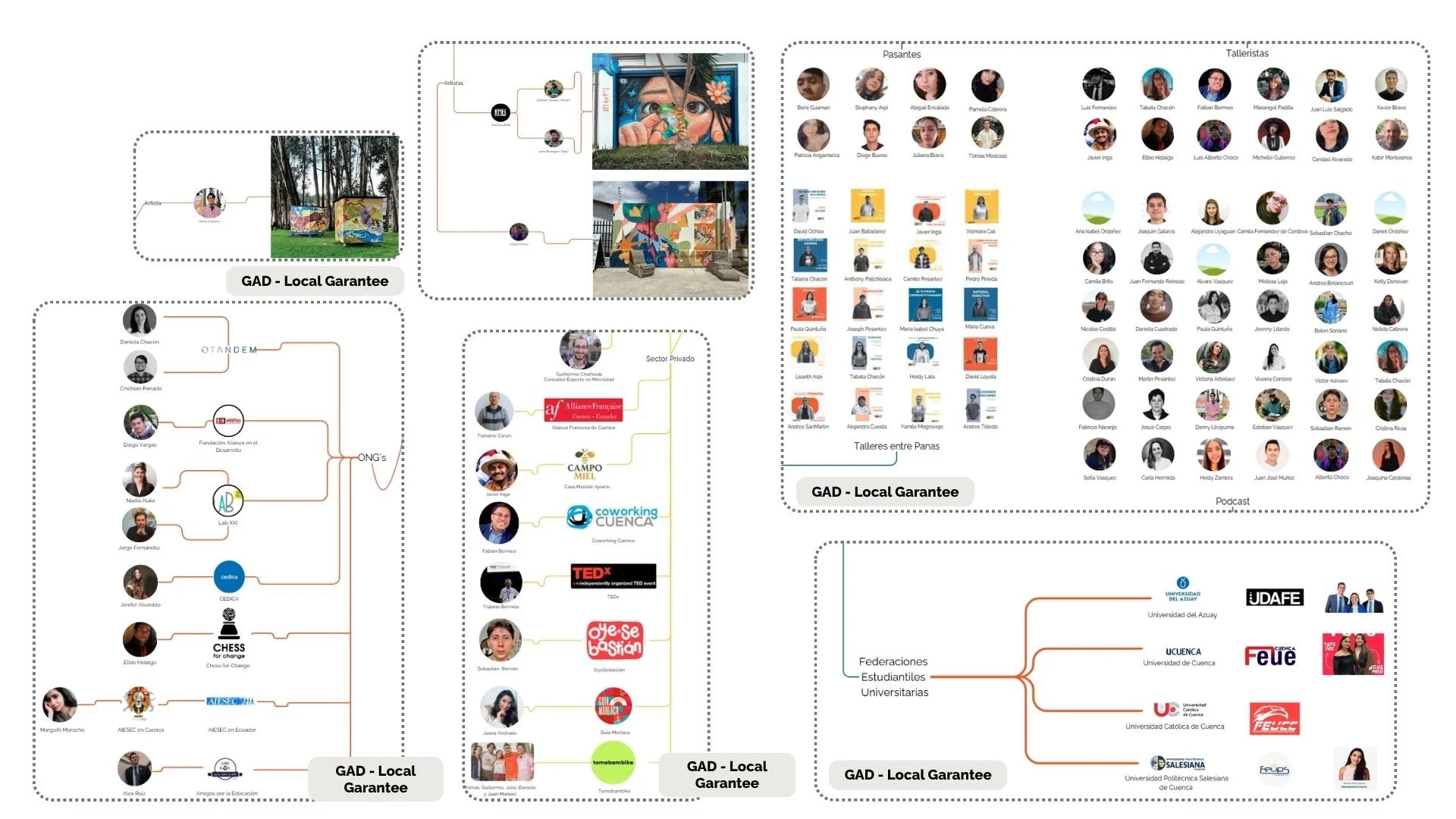
Stakeholder map Phase 2
We visited:
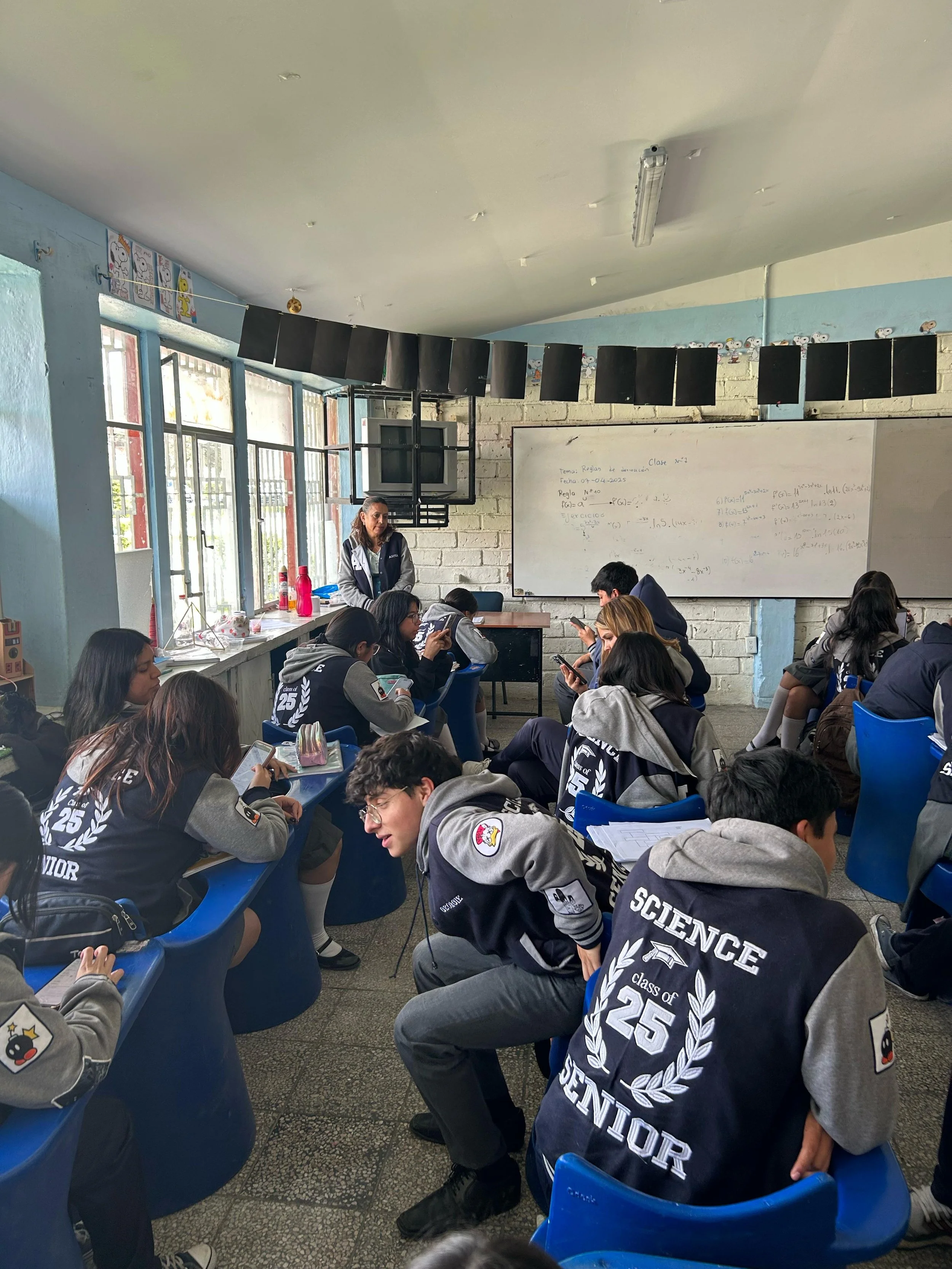
16 high schools
4 universities
Want to know all the data? Click here
From data to action: prioritizing together
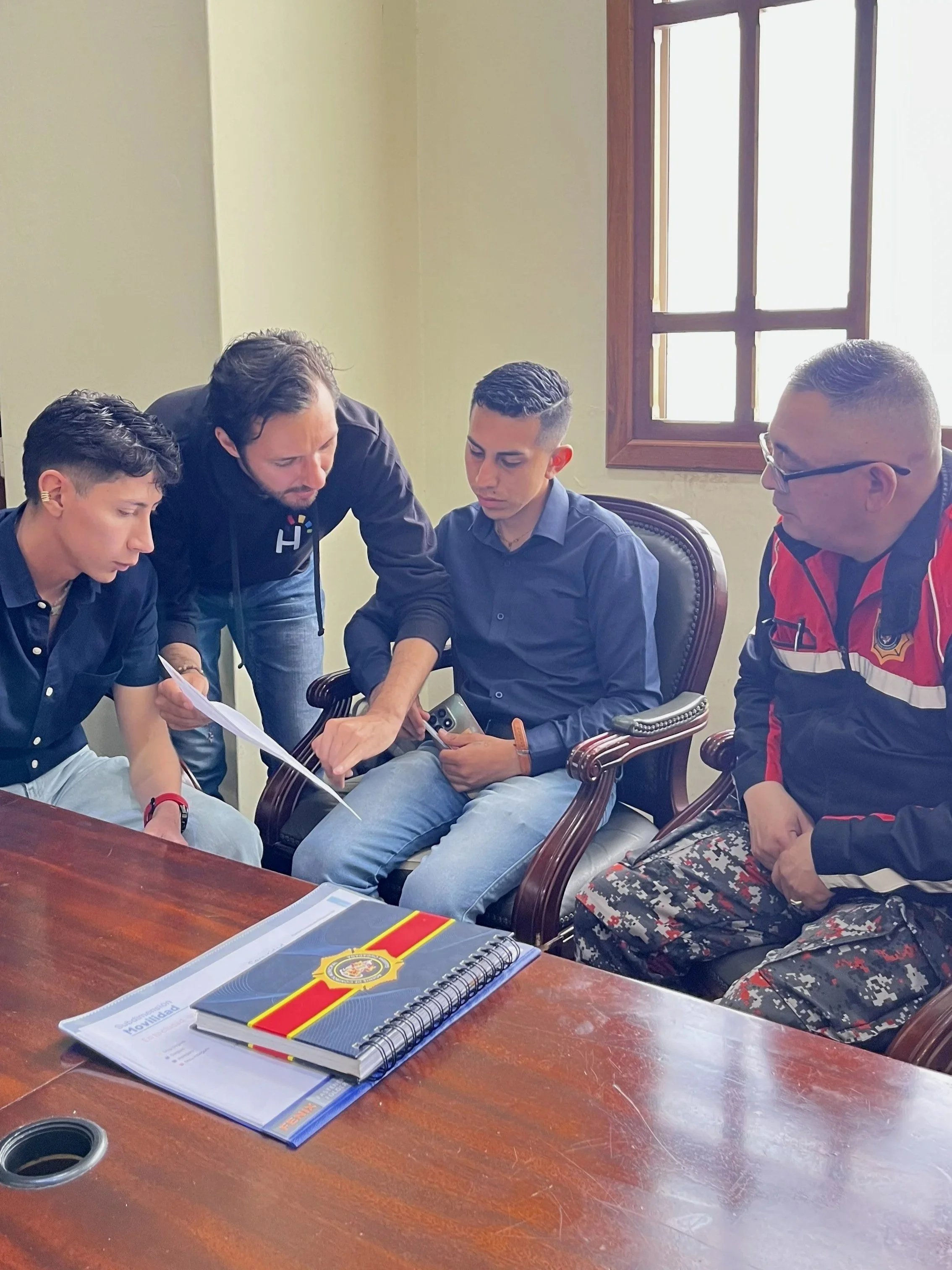
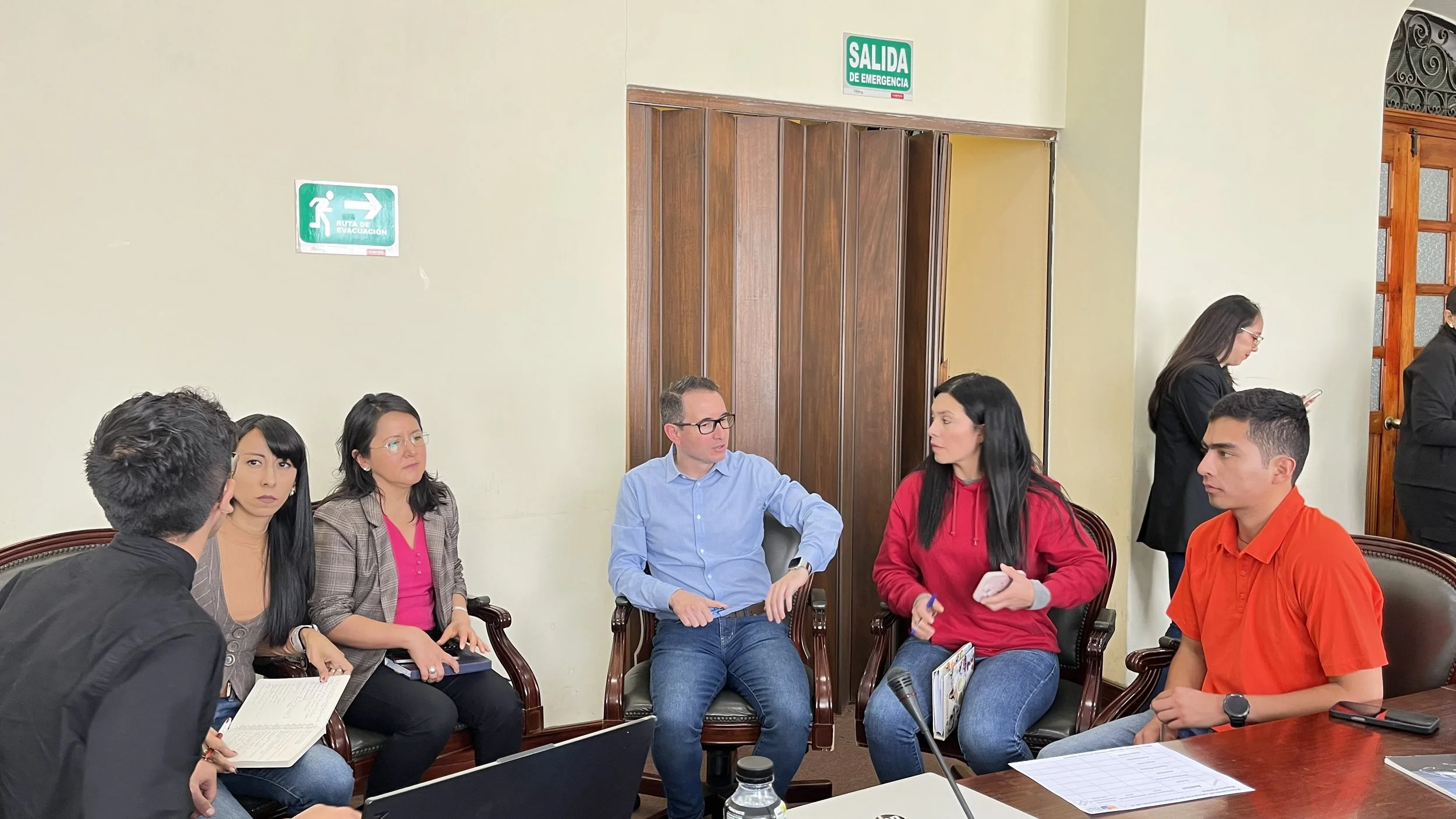
Inter-institutional prioritization roundtable with young people
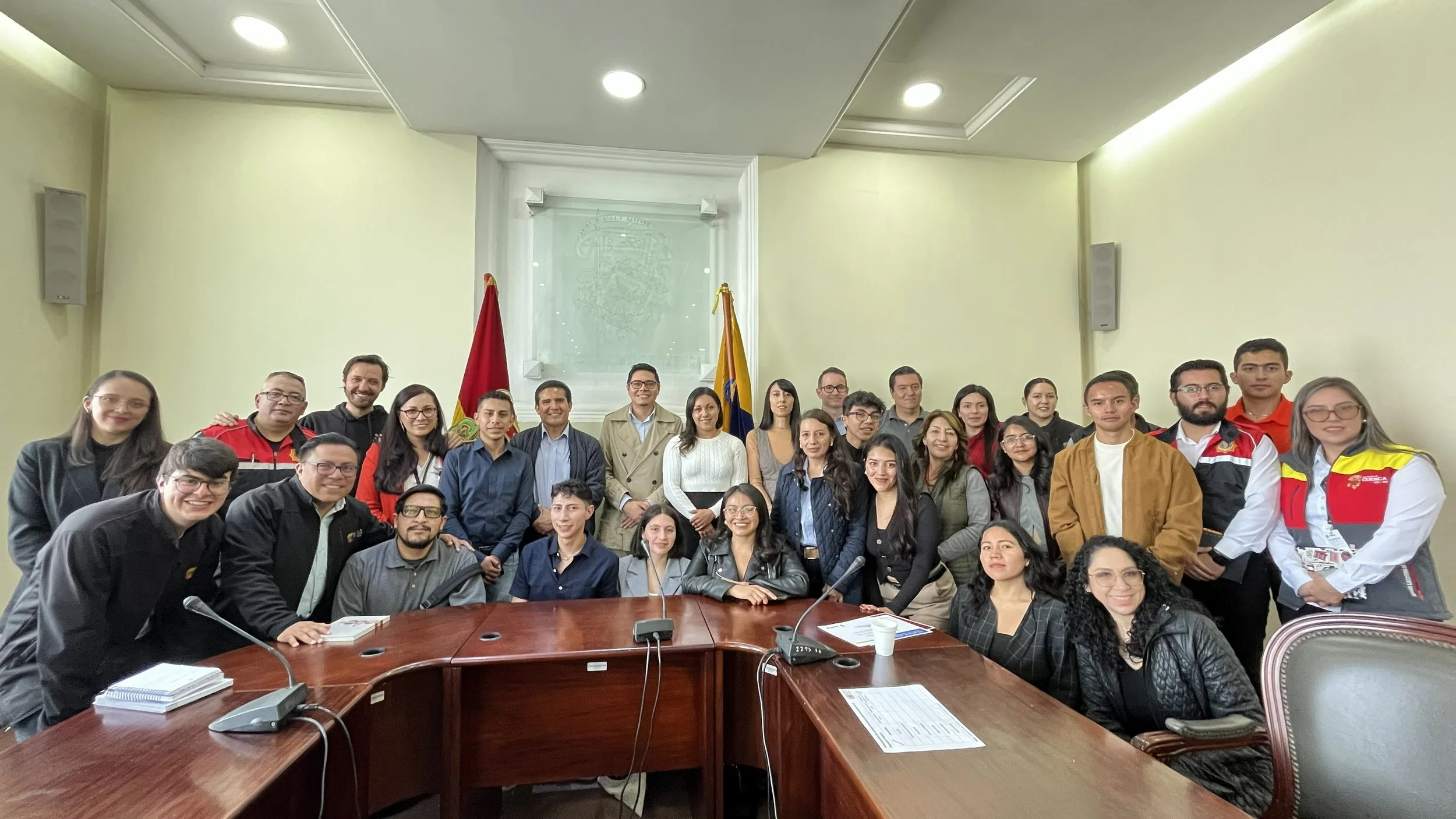
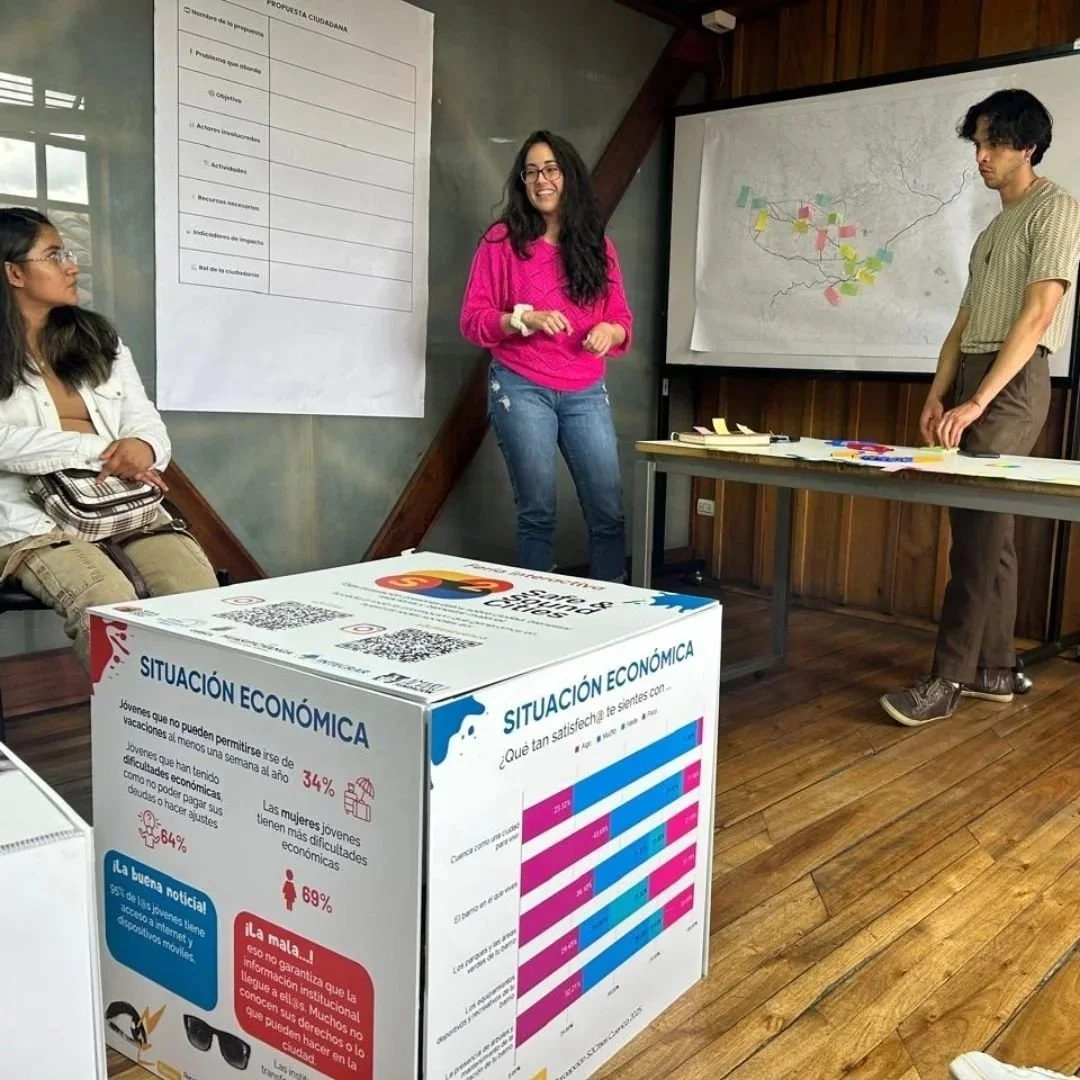
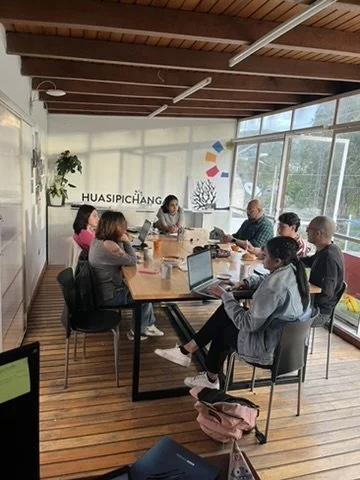
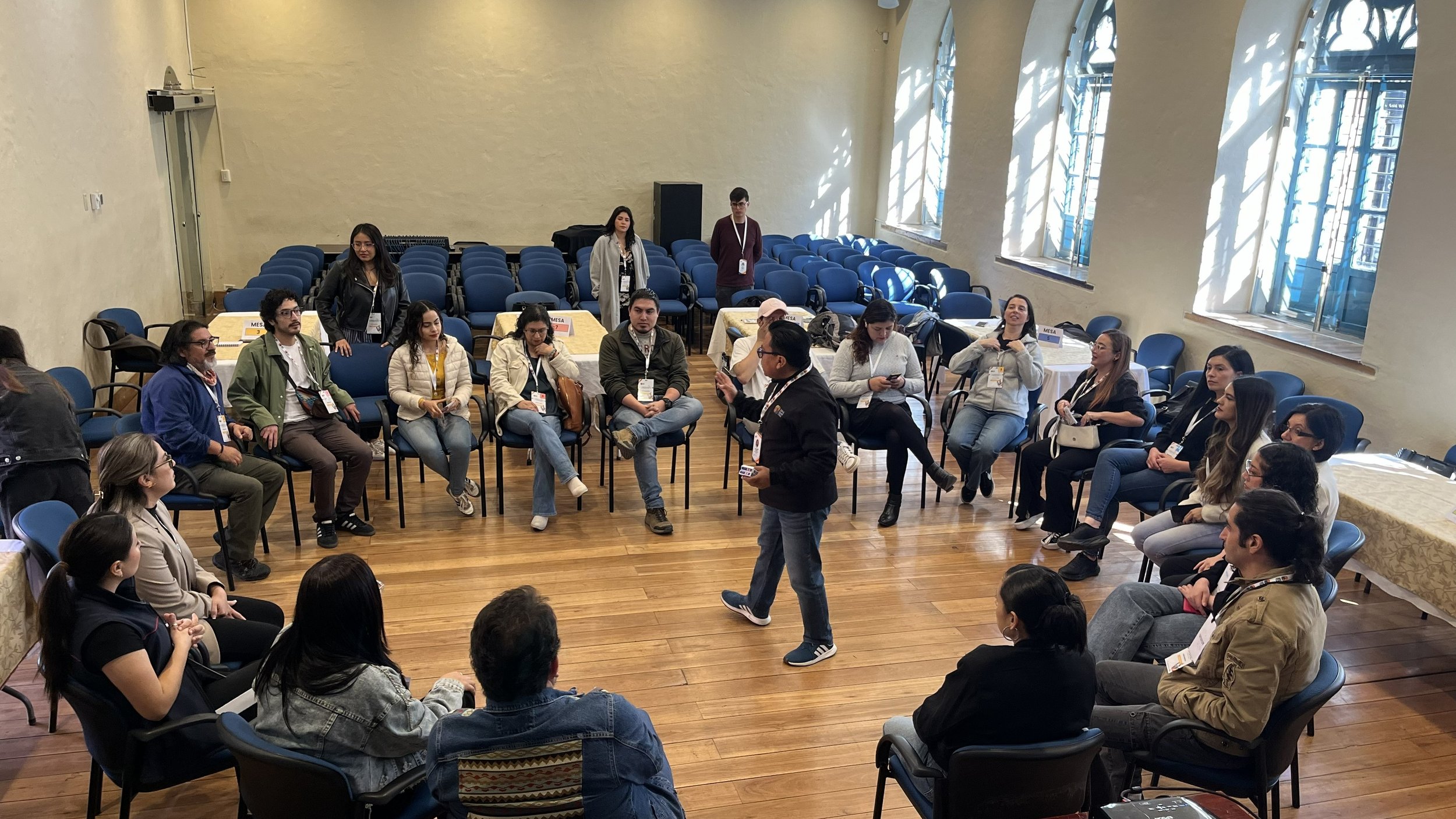
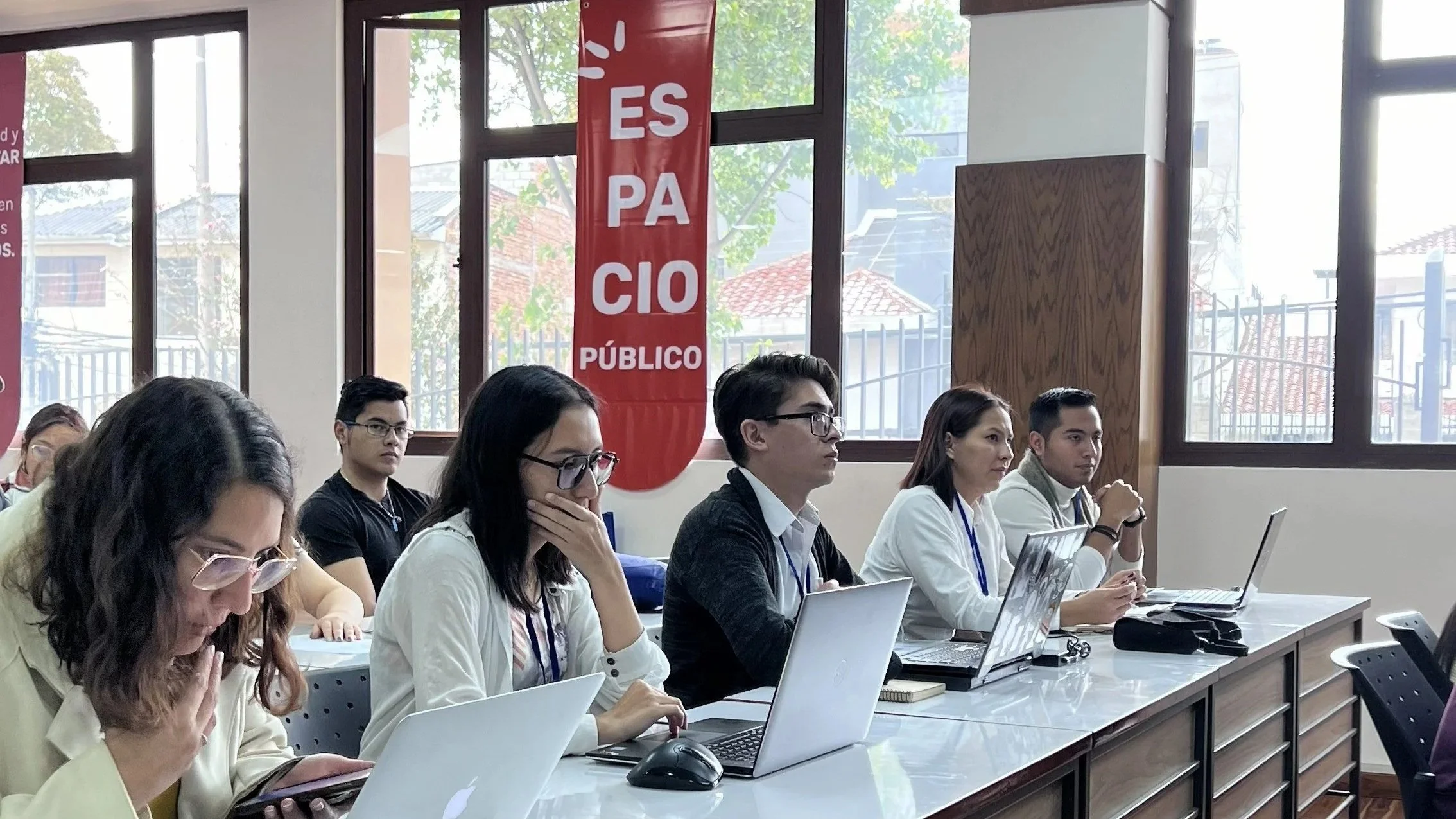
The data didn't stay on paper. In June 2025, in the Councilors' Meeting Room of the Municipal GAD of Cuenca, we sat at the same table: 31 people, including 21 members of the Municipal GAD of Cuenca, 4 young people from the S²Cities program, and the implementing team, to prioritize the most urgent areas of action.
Using a prioritization matrix that combined three criteria (quantitative evidence, institutional perception, and viable short-term solutions), this was the ranking of priorities:
Mental health
Public space
Participation
Perception of safety
Mobility
Economic situation
City (general perception)
The issues we put on the table
Beyond the numbers, the conversation revealed three underlying tensions that shape the direction of the work with young people:
Youth participation and sustainability
38% of young people want to get involved as volunteers. The challenge: sustaining that energy with collaborative work, not with contests that leave the majority out.
Those who make this possible
Meet everyone who works with us
Transforming a city is not done alone. We mapped all the actors who are part of this process: institutions, schools, universities, businesses, student federations, and, above all, young people.
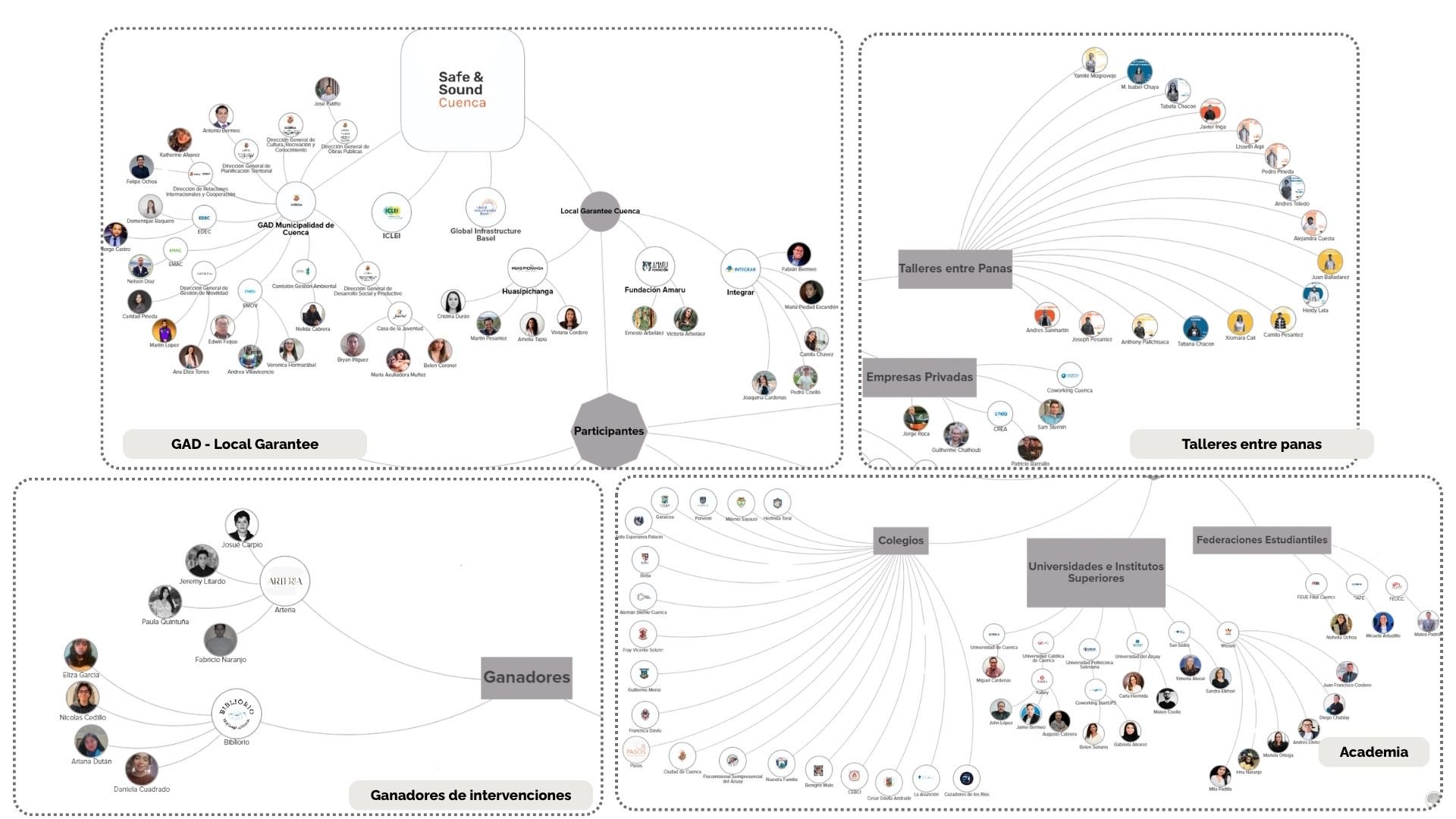
Stakeholder map Phase 1
Young people at home
A warning sign for the social fabric. More and more young people spend their free time at home, which affects their mental health. Without safe and attractive public spaces, isolation grows and the city loses vitality.
feel sad or without energy
61 %
report stress
Mobility and public space:
74 %
of young people consider parks to be their preferred spaces.
Participation:
Economy:
44 %
of young people don't visit them, considering them uncomfortable, and spend more time at home.
21 %
take part in groups or organizations.
22 %
have had contact with the Municipality.
7 %
say they have access to basic resources; many households have made financial adjustments that reduce youth participation in recreational and cultural activities.
Strategic communication
Although more than 94% have internet access, institutional information doesn't reach them. We need to build policies with young people and communicate in their language.
63 %
STEP 2: BUILD CAPACITIES
Learning by doing, in public space
Here you'll find all the events and activities we've carried out together with the young people of the S²Cities community: the experiences lived, the learnings, the products we created, and the resources that emerged from the collective work.
It all started with Hackathons and Mentorships
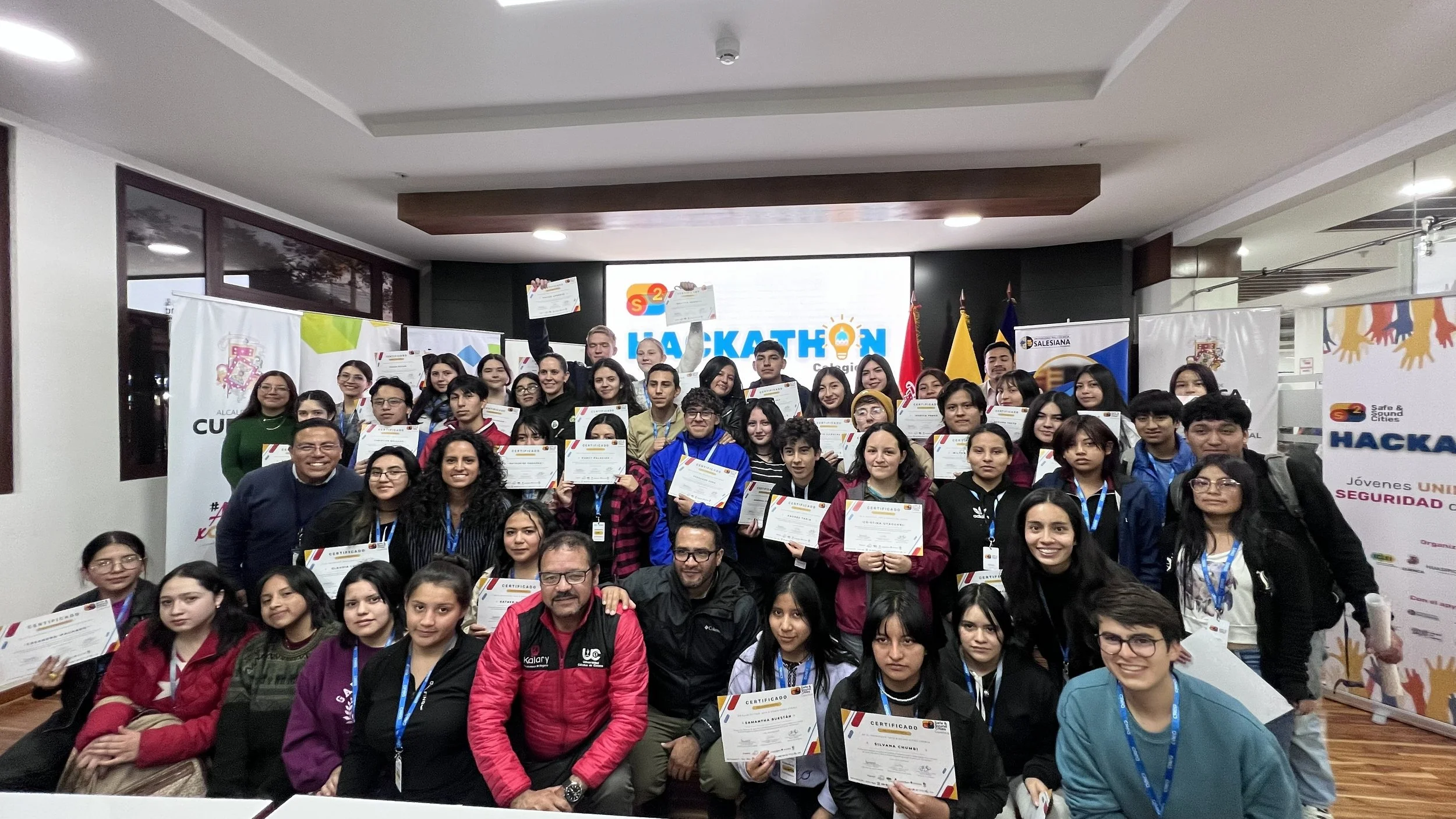
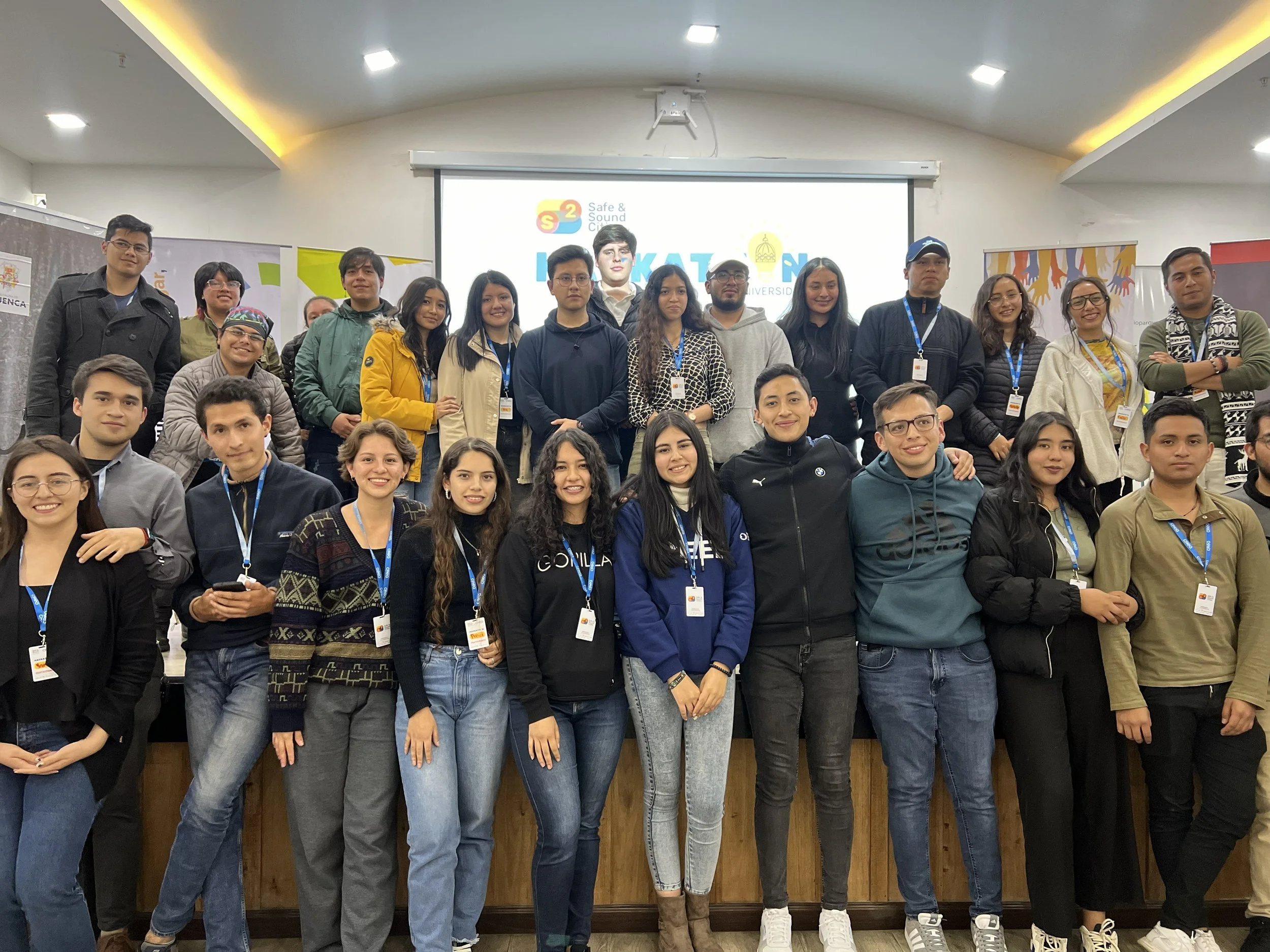
In the first phase, we welcomed +200 young people over two days of intensive hackathons, where they developed innovative ideas for healthier and safer cities. It was a space to build capacities, exchange knowledge, and design new solutions.
Each hackathon brought together up to 100 young people. The teams presented their ideas before mentors and a jury, and we selected 12 ideas for a mentorship process in urban pedagogy, with the opportunity to be implemented in the city.
6
We'll tell you about it in step 3…
In 2025, a lot happened
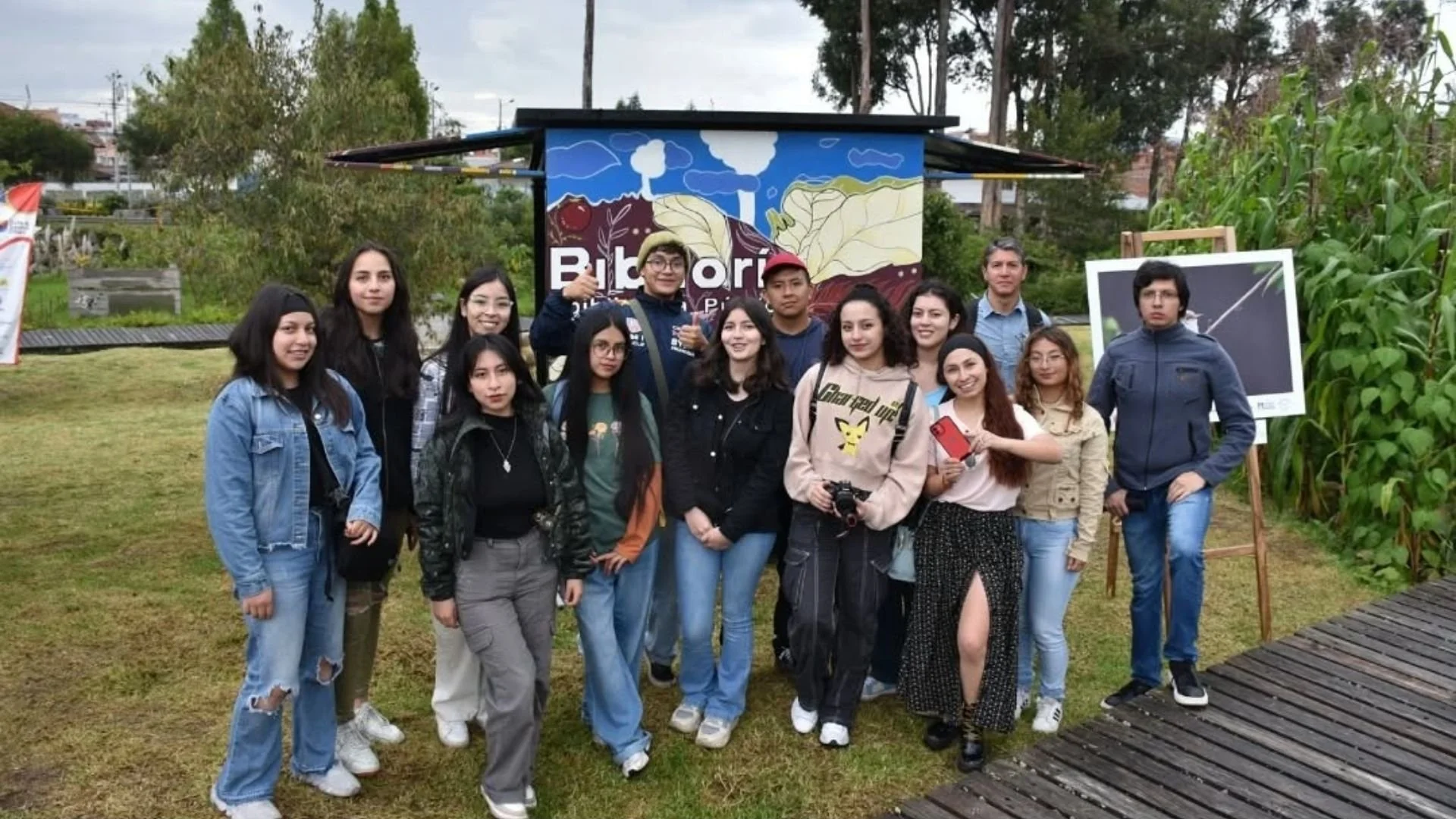
Placemaking Workshops and Events with the Bibliorío Volunteers
We worked with the young volunteers of Bibliorío in two stages: first they learn, then they create.
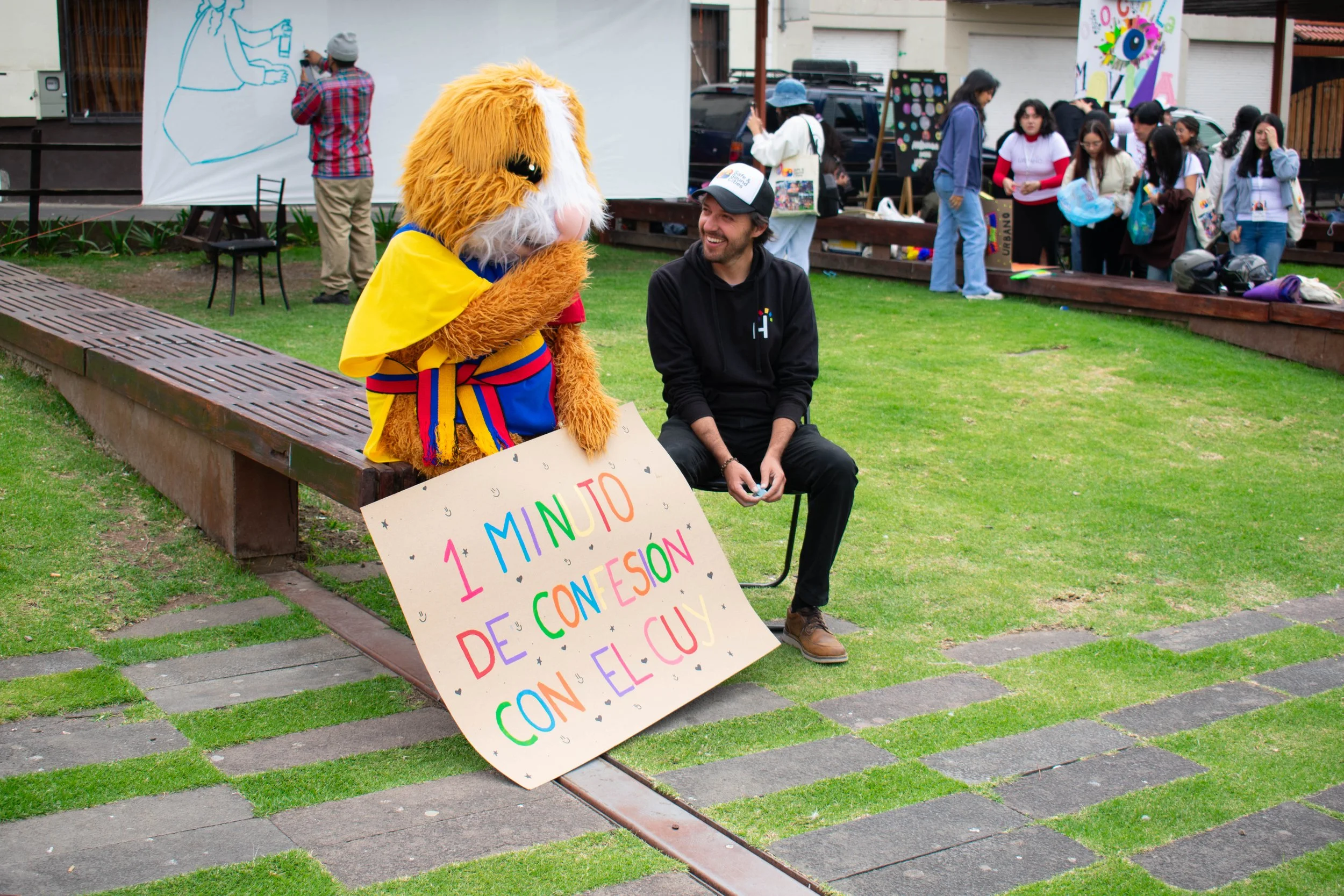
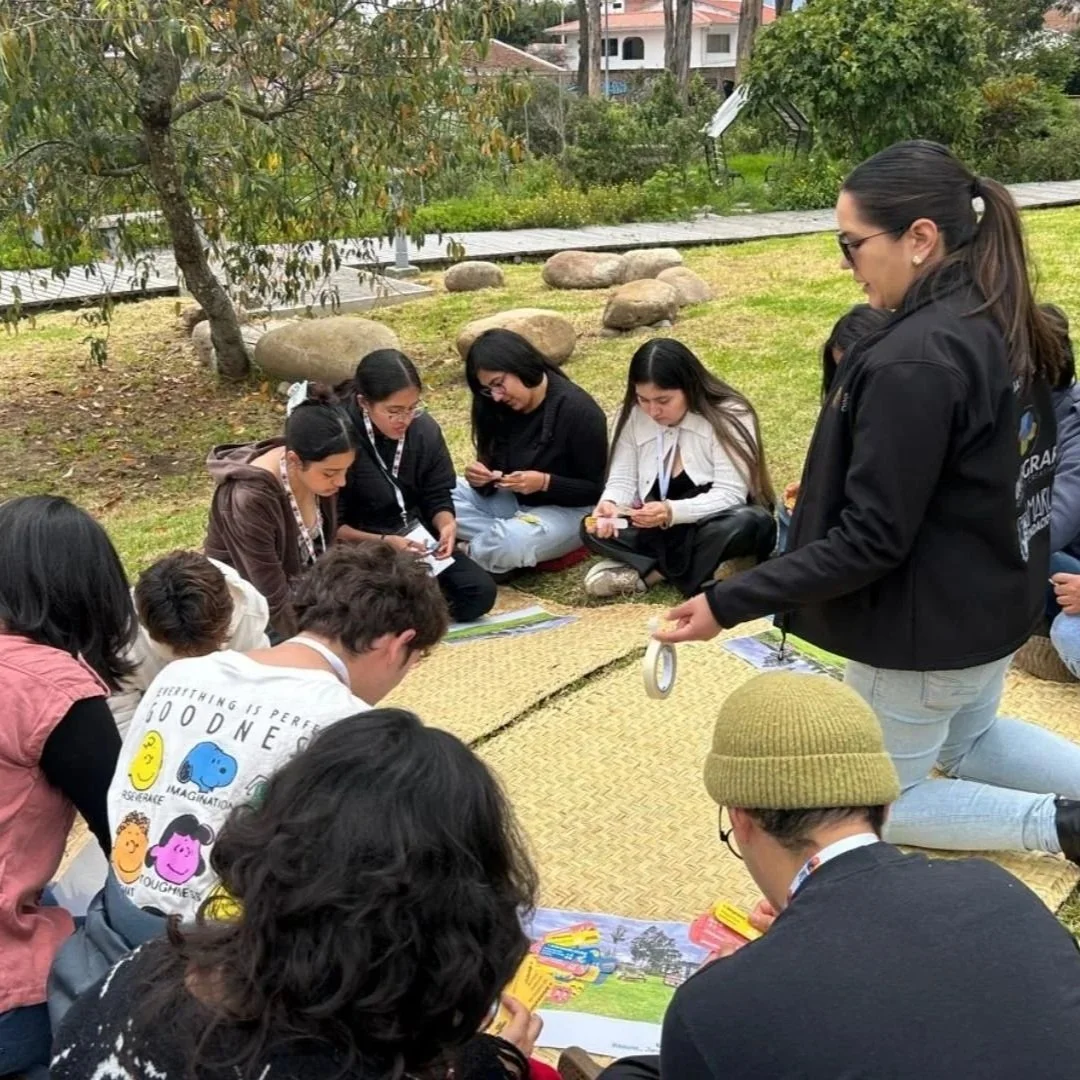
In the placemaking workshops, we explain to them what this methodology consists of and how to apply it, using our Urban Pedagogy. Each session combines an initial co-design presentation, examples of local and international projects, and real practice in S²Cities interventions to evaluate the space and its impact. We added a playful component with the games PlaceMakers and Mide tu Impacto, and we worked on learnings such as collaborative work, resource management, and spatial analysis (land uses, walkability, play areas, safety, and well-being). In total, 36 young volunteers took part at venues such as the Youth Hub and Bibliorío.
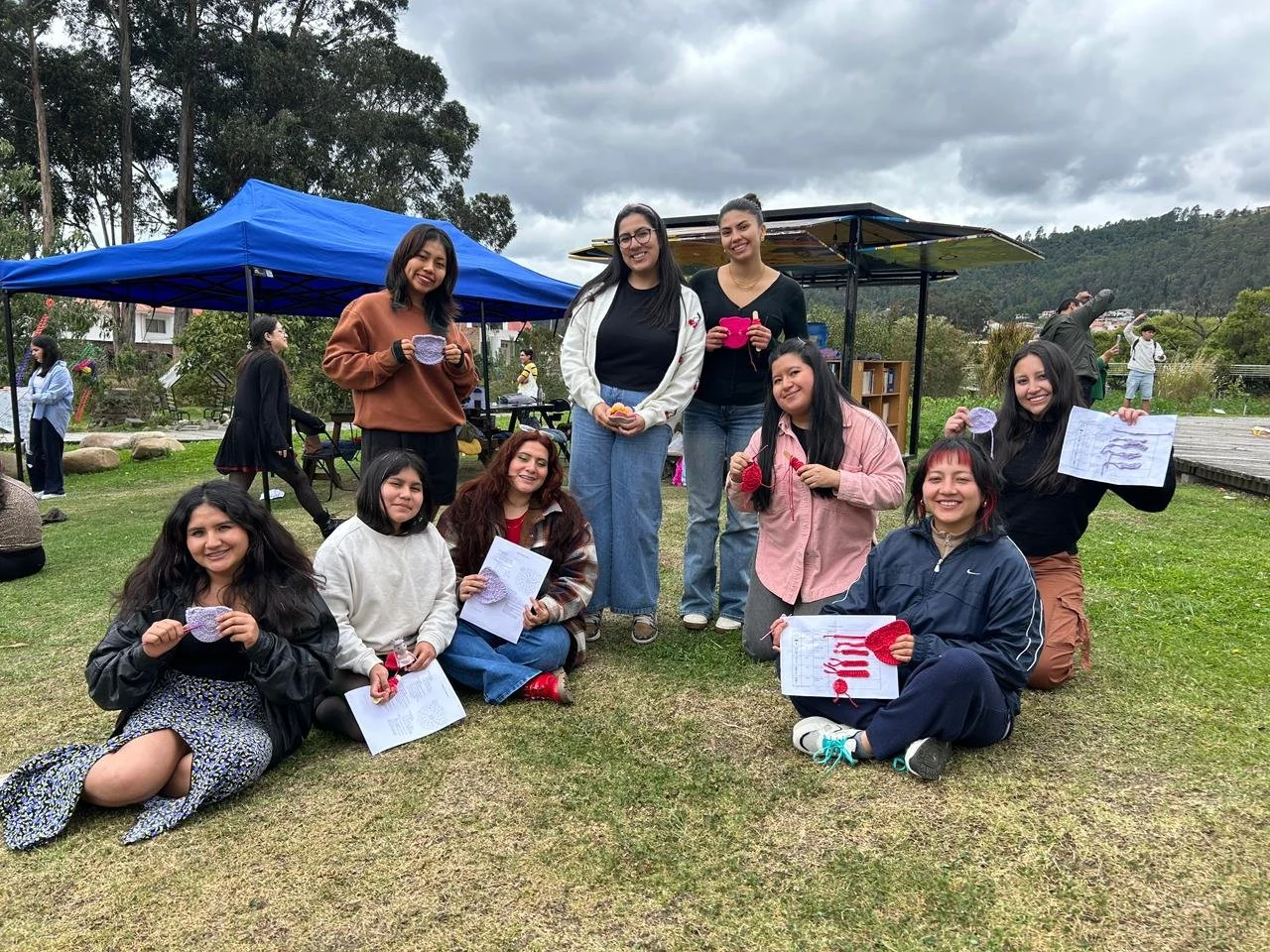
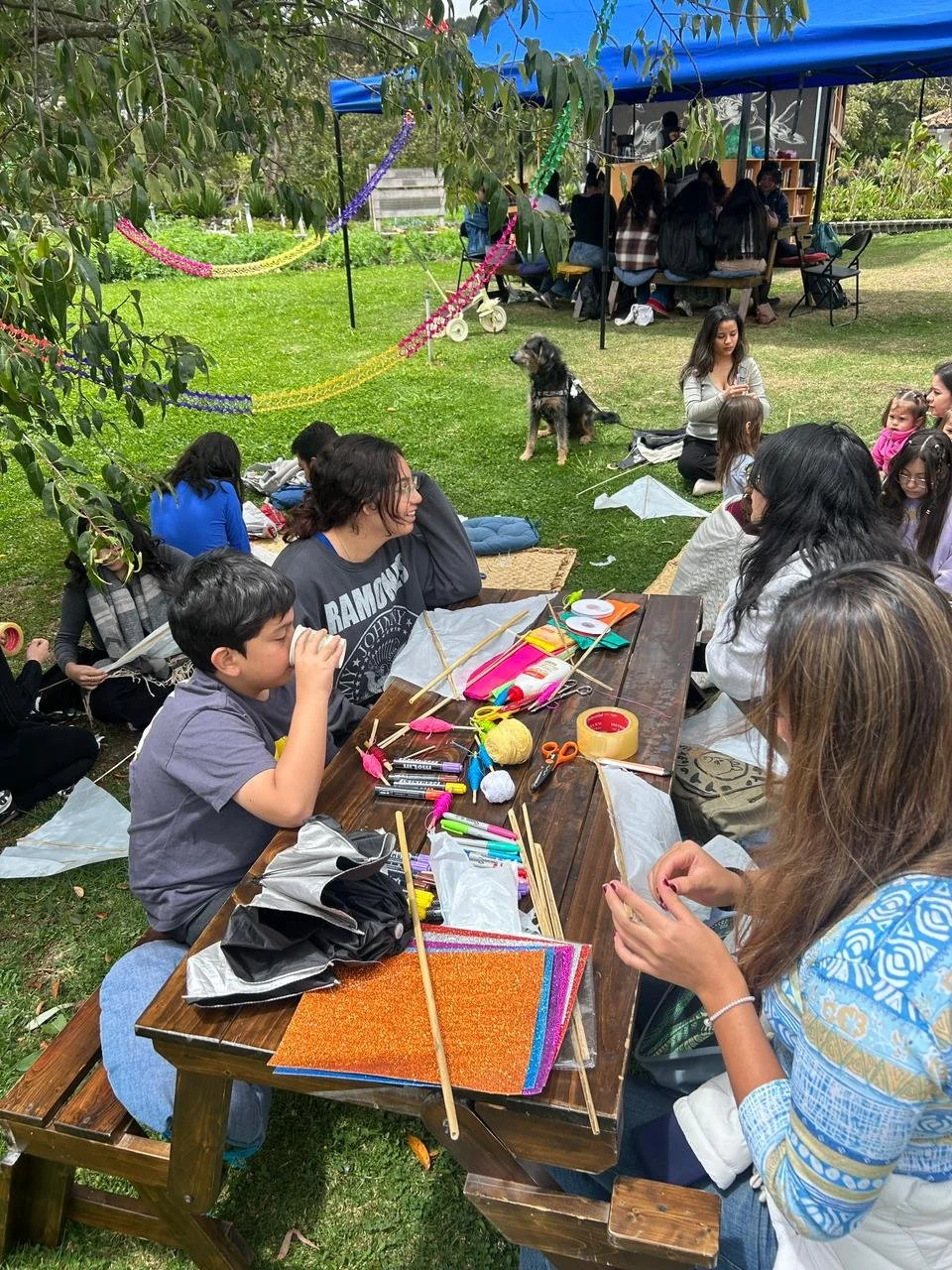
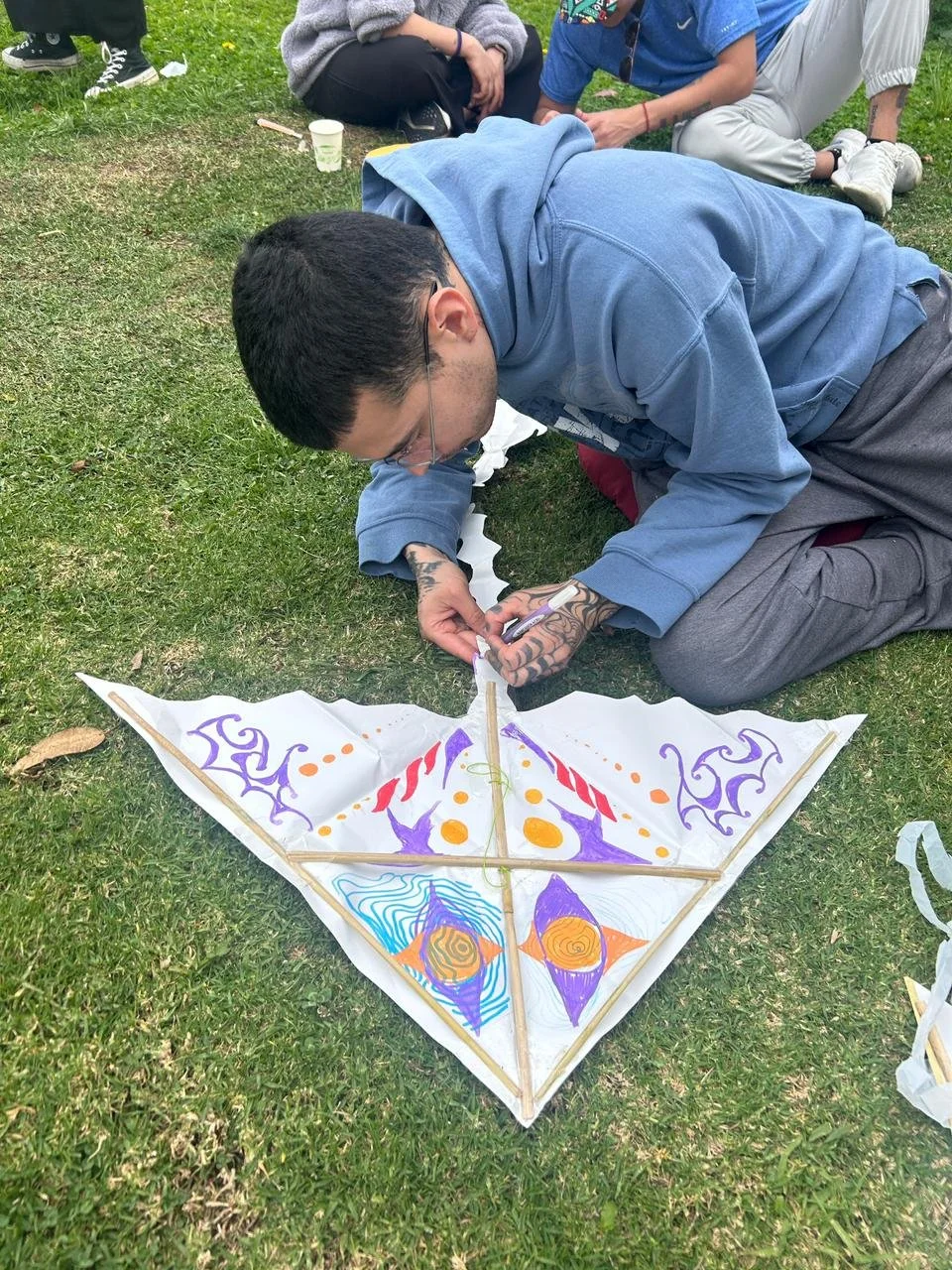
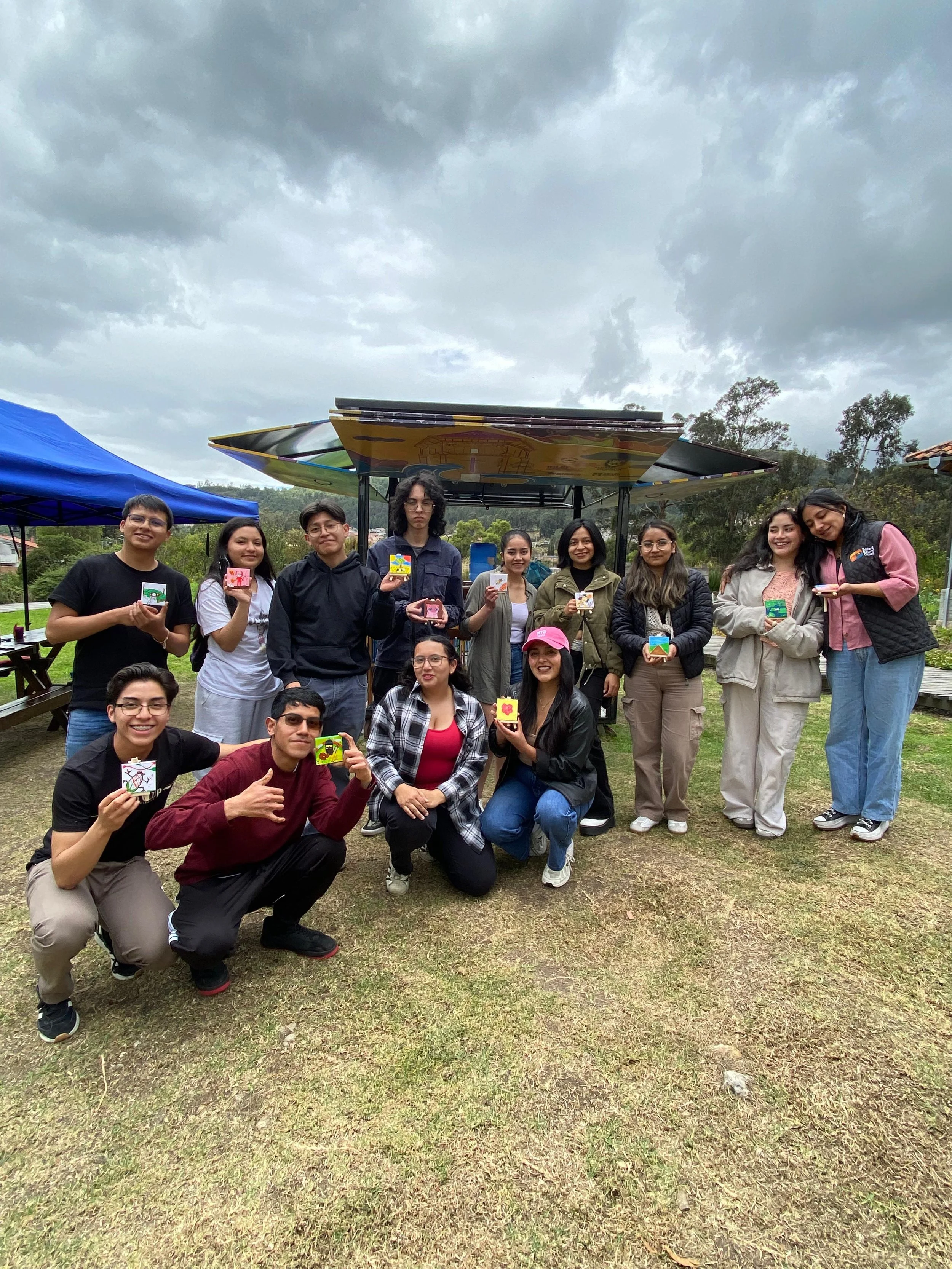
Once they master the methodology, the time comes to apply it. In the placemaking events, the young people form teams, receive a micro-budget of USD 60, design their own proposal, and implement it on Saturdays together with the community. This is how events like Fiesta de Señas, Café Party, Conect-arte, and Arma tu Cometa were born 49 young people led these projects, which brought together 127 attendees.
What they told us about the placemaking events:
Research Workshops
We train young people in tools and databases to support their projects with evidence. They learned to use official dashboards (INEC 2022 Census), AI tools for research, Kobo Toolbox, Google Forms, Miro, Snazzy Maps, and Pedestrian First, all under the Urban Pedagogy approach.
Each session lasts two hours (one of theory and one of practice), and 42 young people took part in the workshops at the Youth Hub and Bibliorío. The process even led to scientific articles published in the Journal of Public Space S²Cities.
8
But that wasn't all… the finalist teams took part in mentorships to strengthen their capacities in placemaking, innovation, sustainability, and environmental conservation.
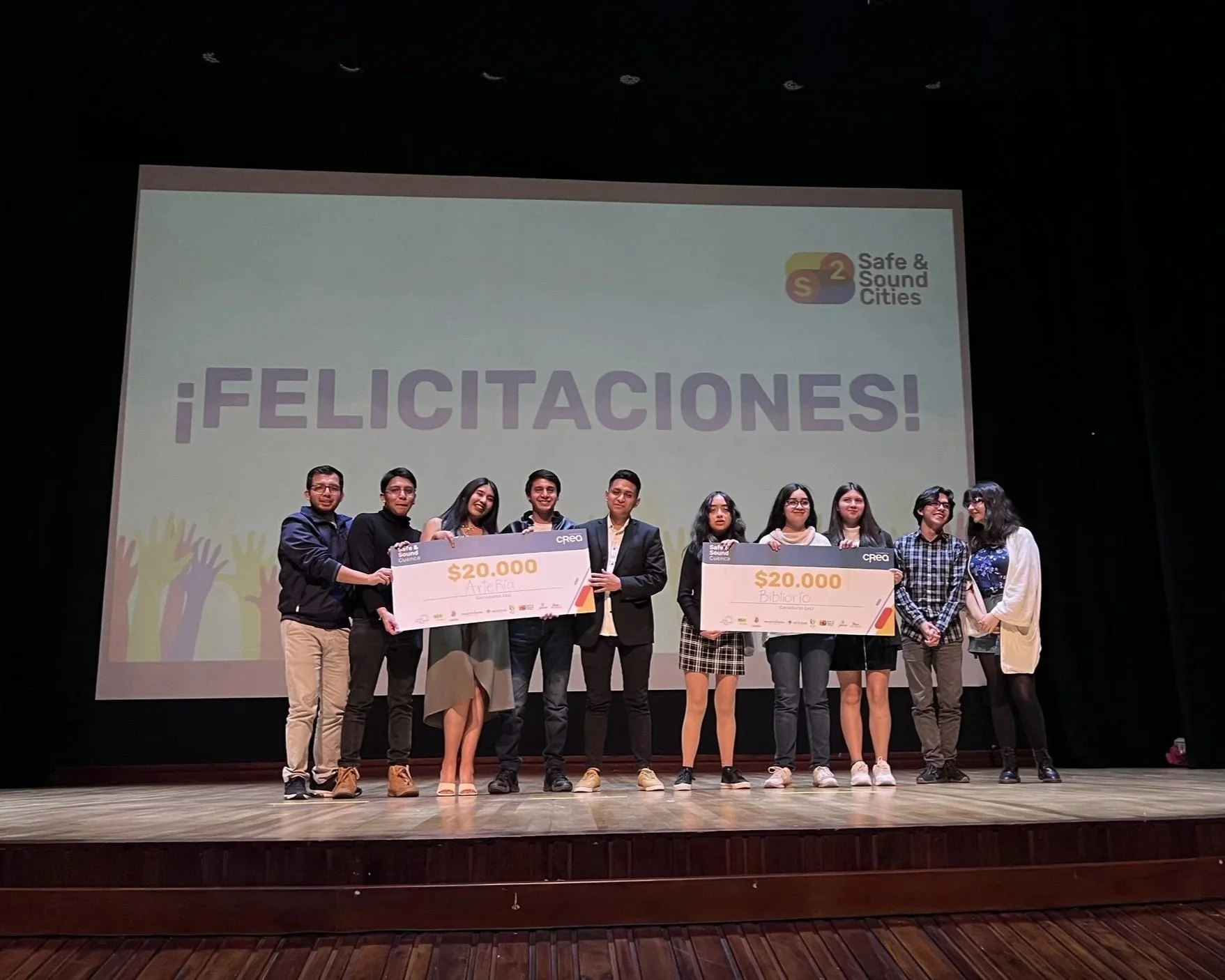
From this, 2 winning teams were born: Bibliorío and Arteria.
1
We developed games
We realized that long talks weren't the best way to teach the methodology: young people's attention was lost. That's why we created two playful tools for learning placemaking by playing.
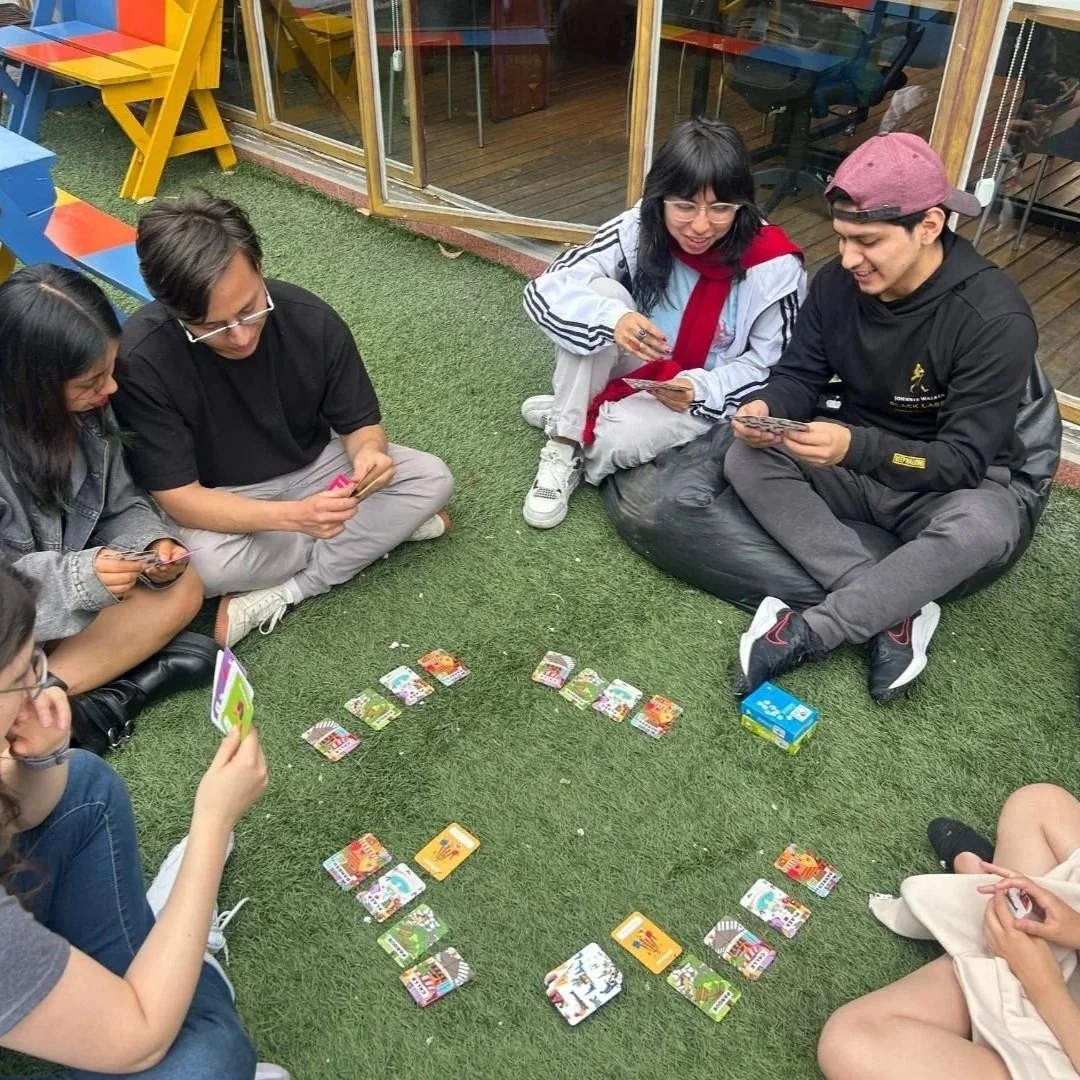
PlaceMakers
An agile and strategic card game where players become actors who transform public space. By combining hardware (infrastructure), software (activities), and orgware (community organization) cards, they must activate squares, streets, parks, and neighborhoods, generating the greatest positive impact.
We've already played it with volunteers, public servants, and Architecture professors from the University of Cuenca, and now it can be yours!
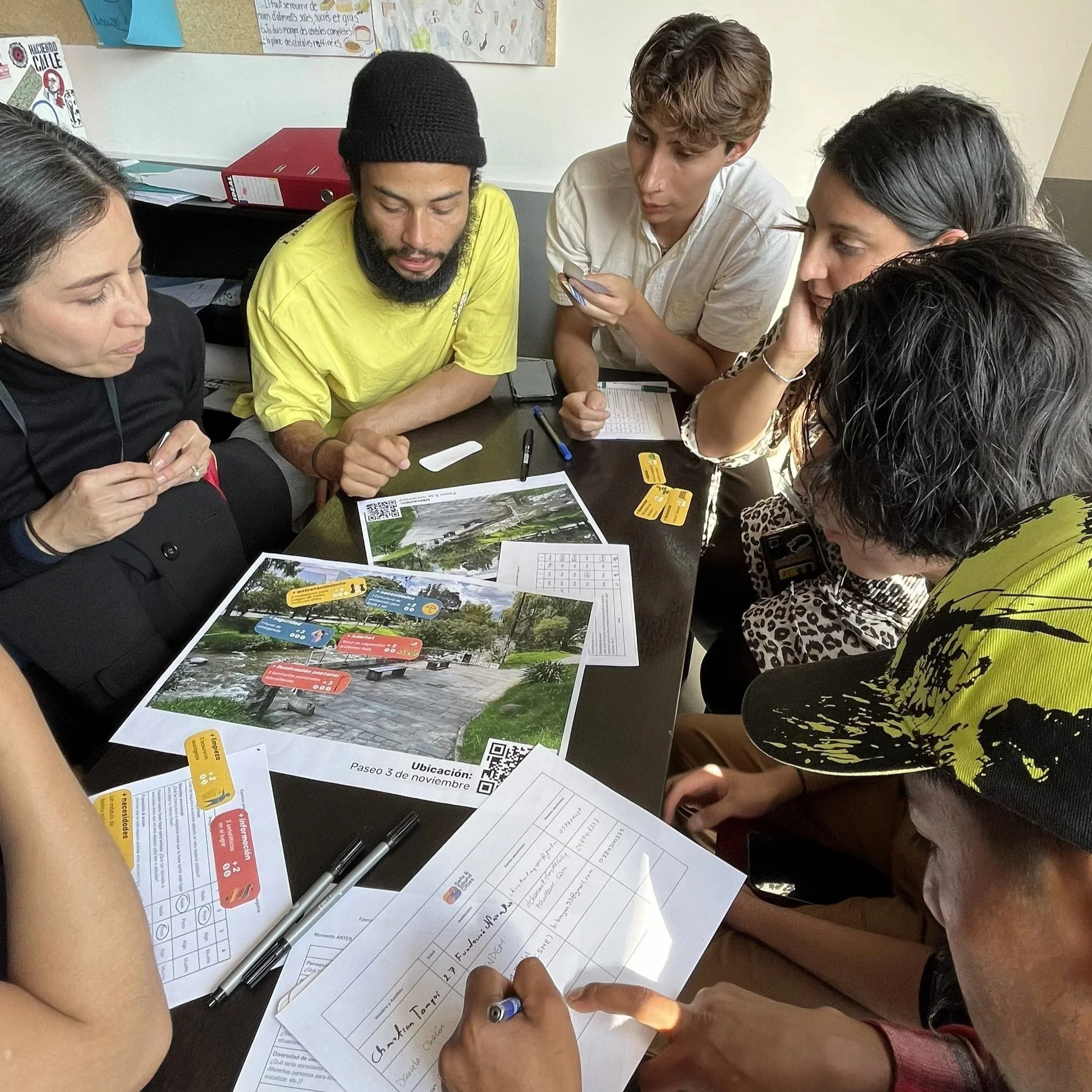
Mide tu Impacto
A board game that simulates placemaking interventions. As a team, players choose a real public space, evaluate it before and after an intervention, and develop strategies to make it healthier, safer, and more fun with a minimum budget.
These tools were used in 16 game sessions with approximately 195 people, including volunteers, public servants, and Architecture professors from the University of Cuenca.
Are you interested in being a mentor for our processes?
Send us your CV and a paragraph about your motivation to s2cities.cuenca@huasipichanga.com
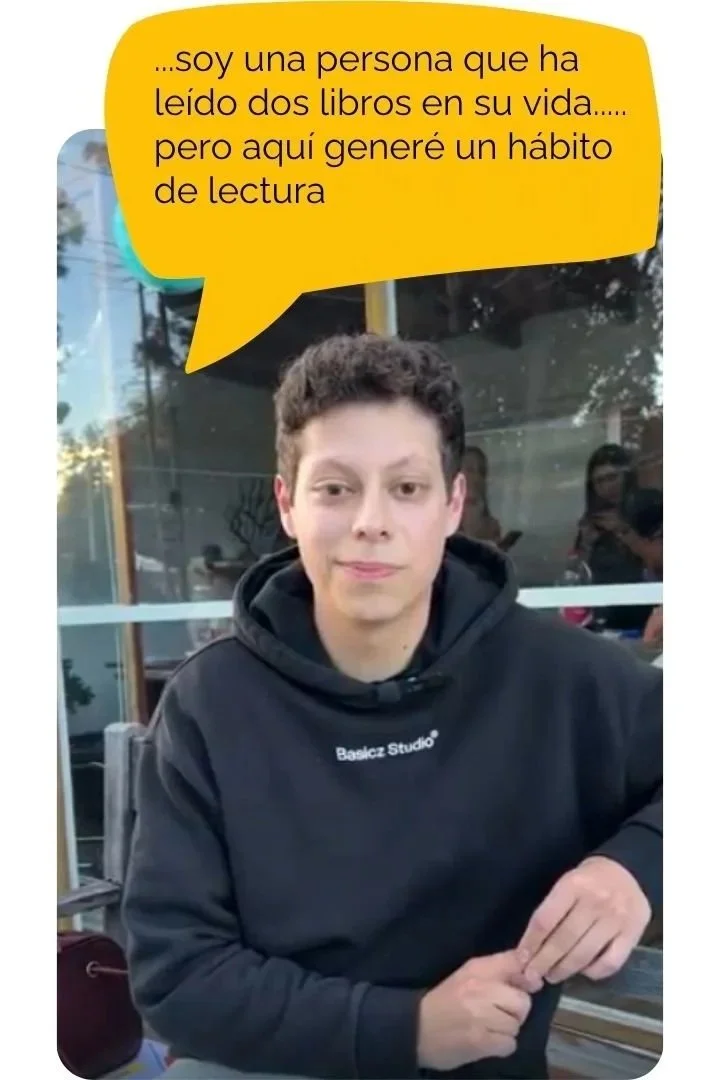
“To me, Bibliorío seemed like a safe space, being able to leave my things without fear… it’s a space that is full of life with the community. It improves your mood and makes me feel better; I can spend time with young people, children, and adults.”
2
3
4
5
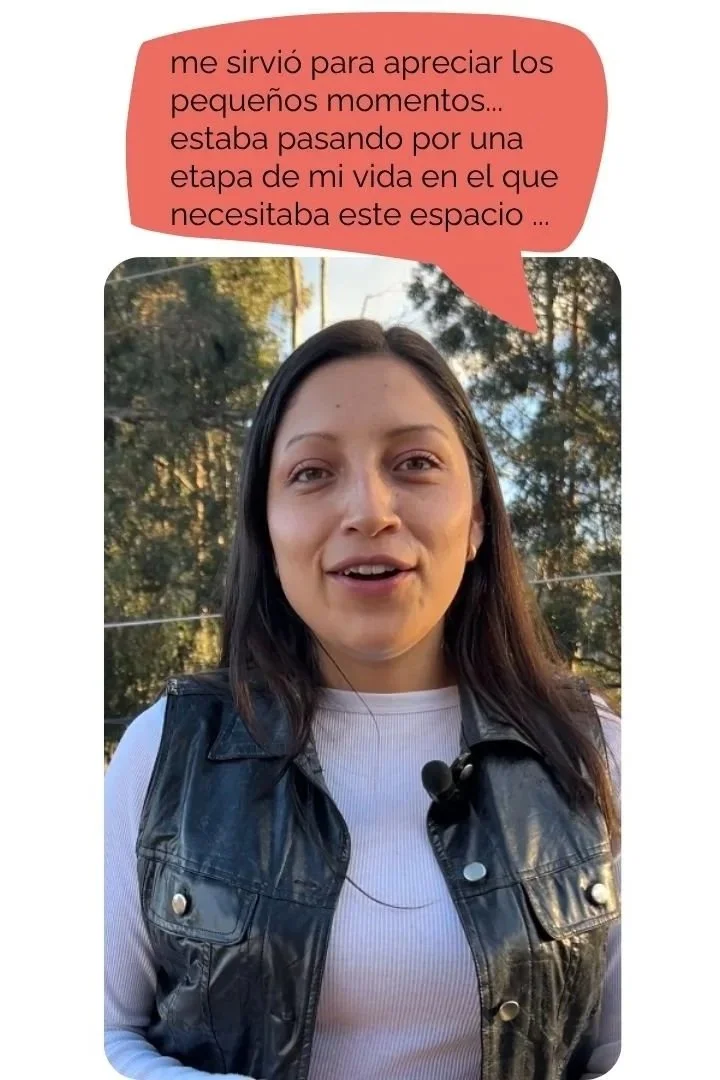
“It really was a very beautiful, very magical experience for me. Coming to the botanical garden relaxes you completely… it helped me reflect on the small things. I strongly defend public space because it helps us generate culture, awareness, and appropriation, and to me that is something very rewarding.”
Playing also transforms the city
9
“I’m 15 years old, and today I took part in the workshop. I felt very happy; it’s always very nice to come to the workshops on Saturdays. We can spend time together in a space where we can be calm, learning and taking our minds off everyday life for a while.”
We were part of IMPACT
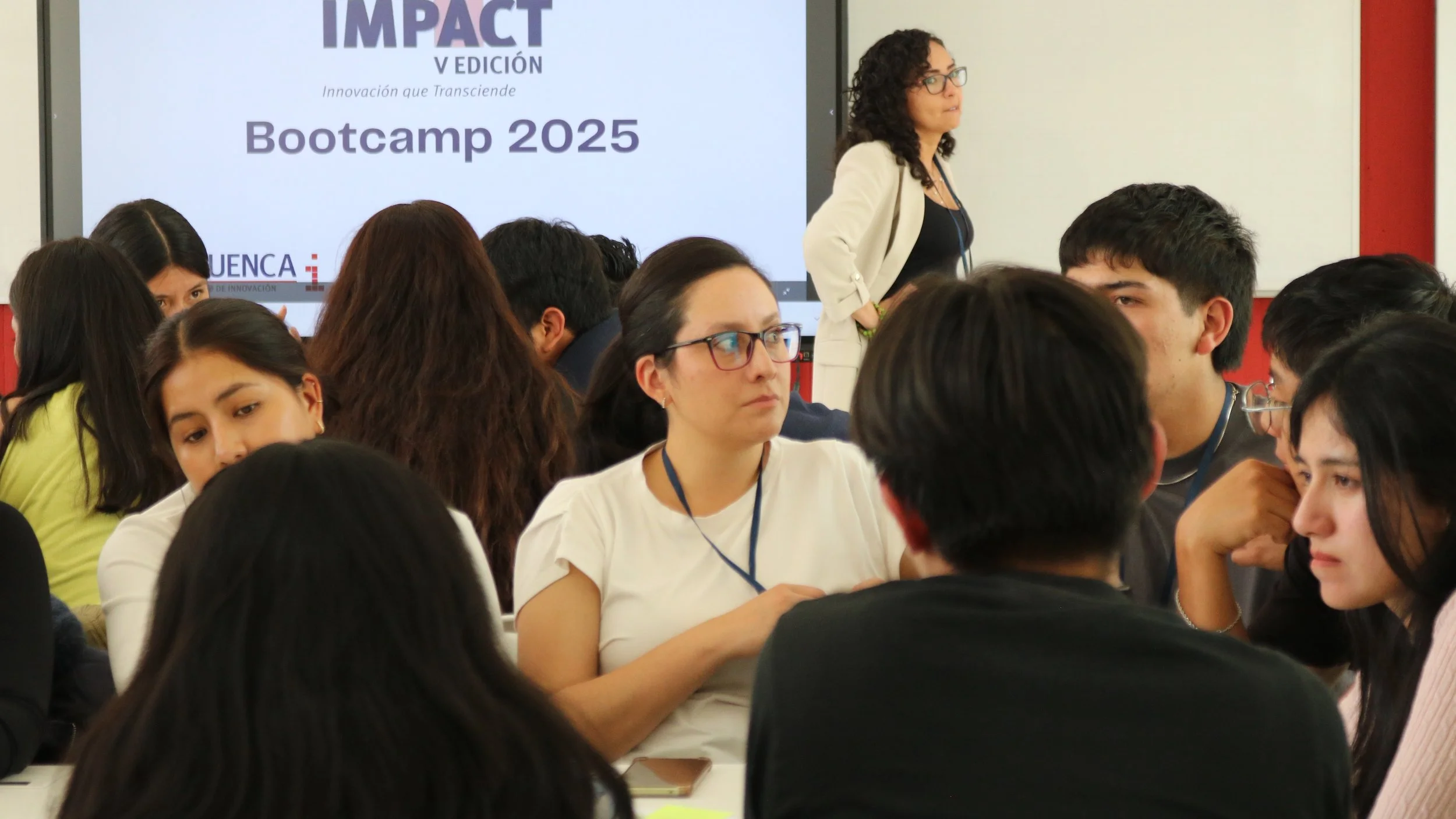
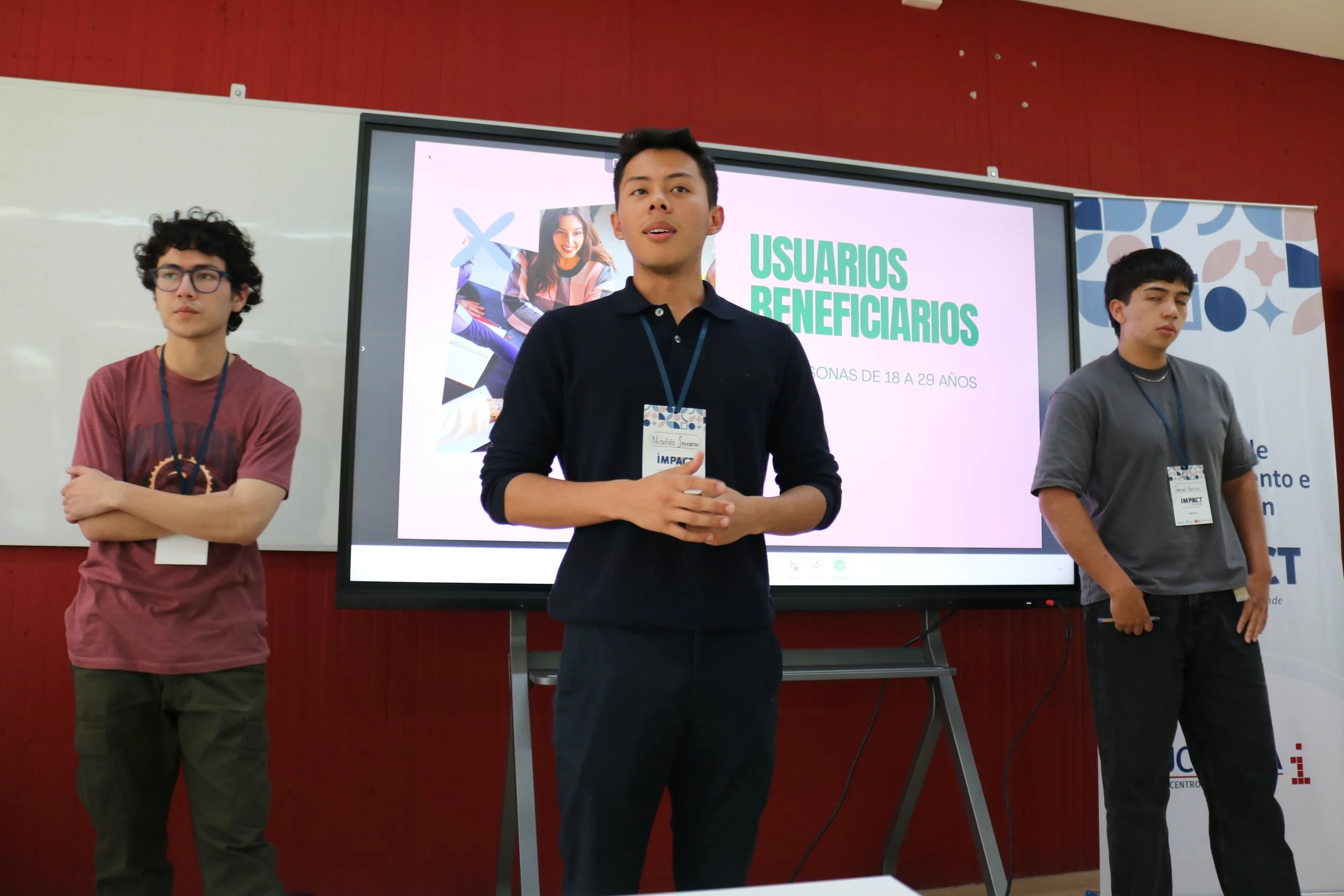
IMPACT was an innovation and entrepreneurship program for students at the University of Cuenca, focused on creative, youth-led solutions around youth safety and well-being, mobility, and the youth economy.
It brought together 159 enrolled young people, of whom 40 took part in the Bootcamp. 21 academic programs were represented.
Social Skills Workshops
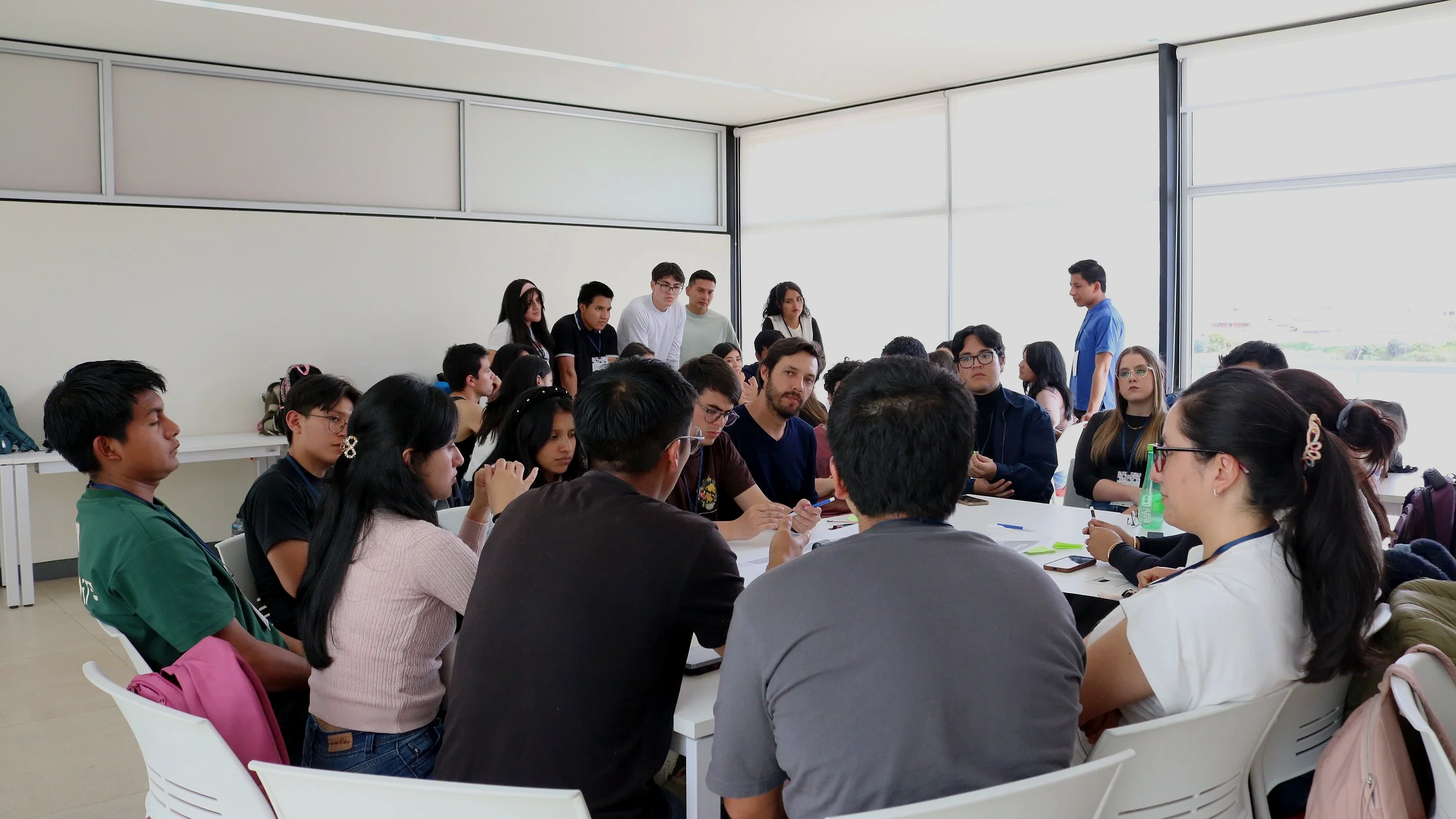
Under an Experiential Creative Learning approach, these workshops helped young people recognize behaviors, practice skills through real-life simulations, and reflect collectively. At the end, most said they had improved their self-esteem, their connection with other people, and their ability to express themselves with confidence.
Co-creation and Learning Group
We developed a co-creation group with 7 young members of the community, selected through a motivation letter. Over three sessions, the key learnings were the value of contributing one's own ideas and learning from other perspectives, and how personal change generates real collective impact.
“It’s cool to do different things on the weekends, not just be stuck at home. Even though it’s a little stressful when things go wrong, you still have fun… I didn’t know I could make so many bracelets in such a short time.”
Pre-professional Internships
We opened up space for university students to do their internships (192 hours) in the program, coordinated with the faculties of Economics, Political Science, and Architecture. They took part in the analysis of youth well-being, data collection, micro-narratives, and counts in interventions such as Arteria and Bibliorío.
14 young people trained through these internships, strengthening skills in applied research, territorial analysis, and on-the-ground work.
Do you want to do your pre-professional internship with us? Apply at info@huasipichanga.com
7
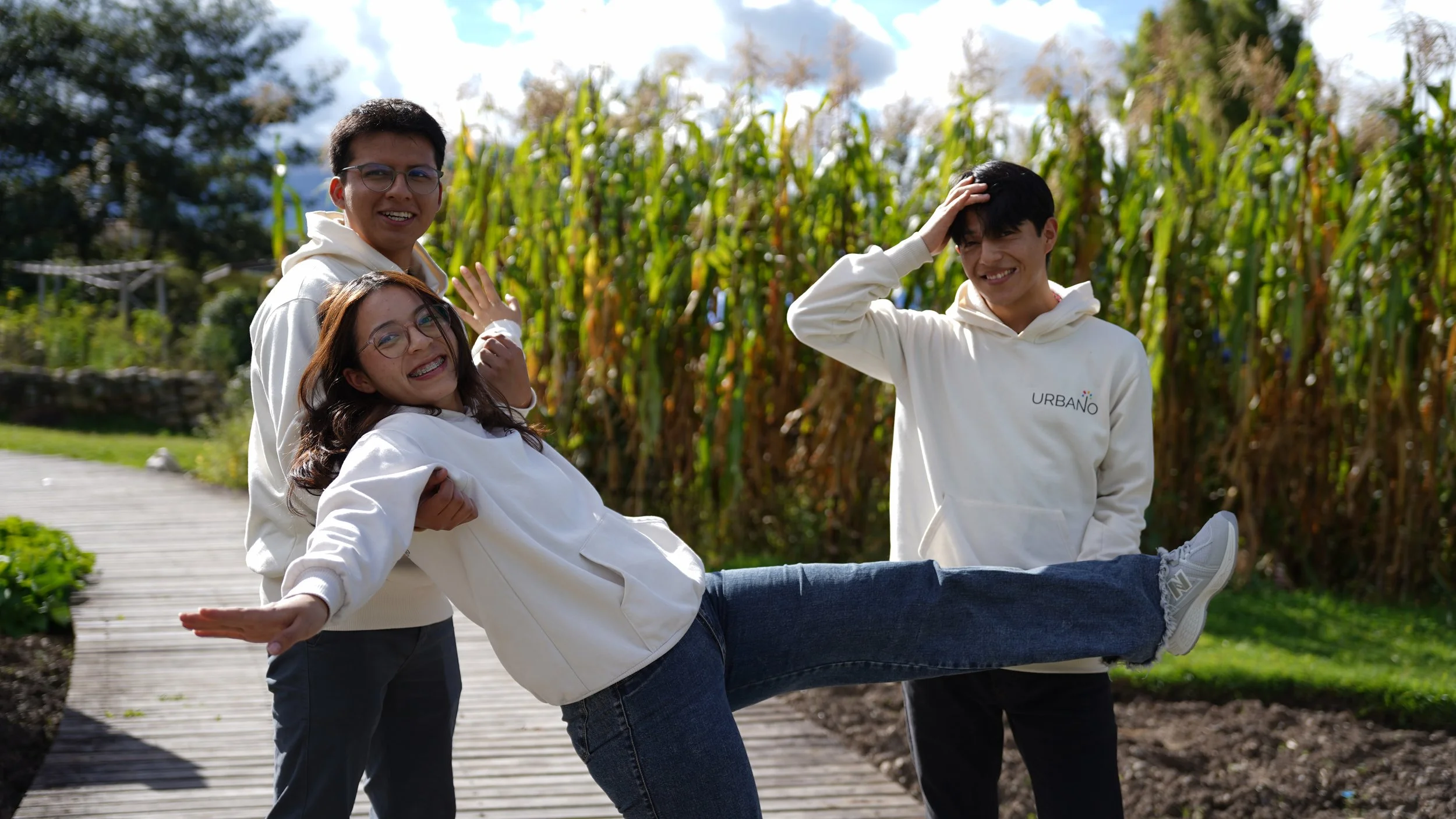
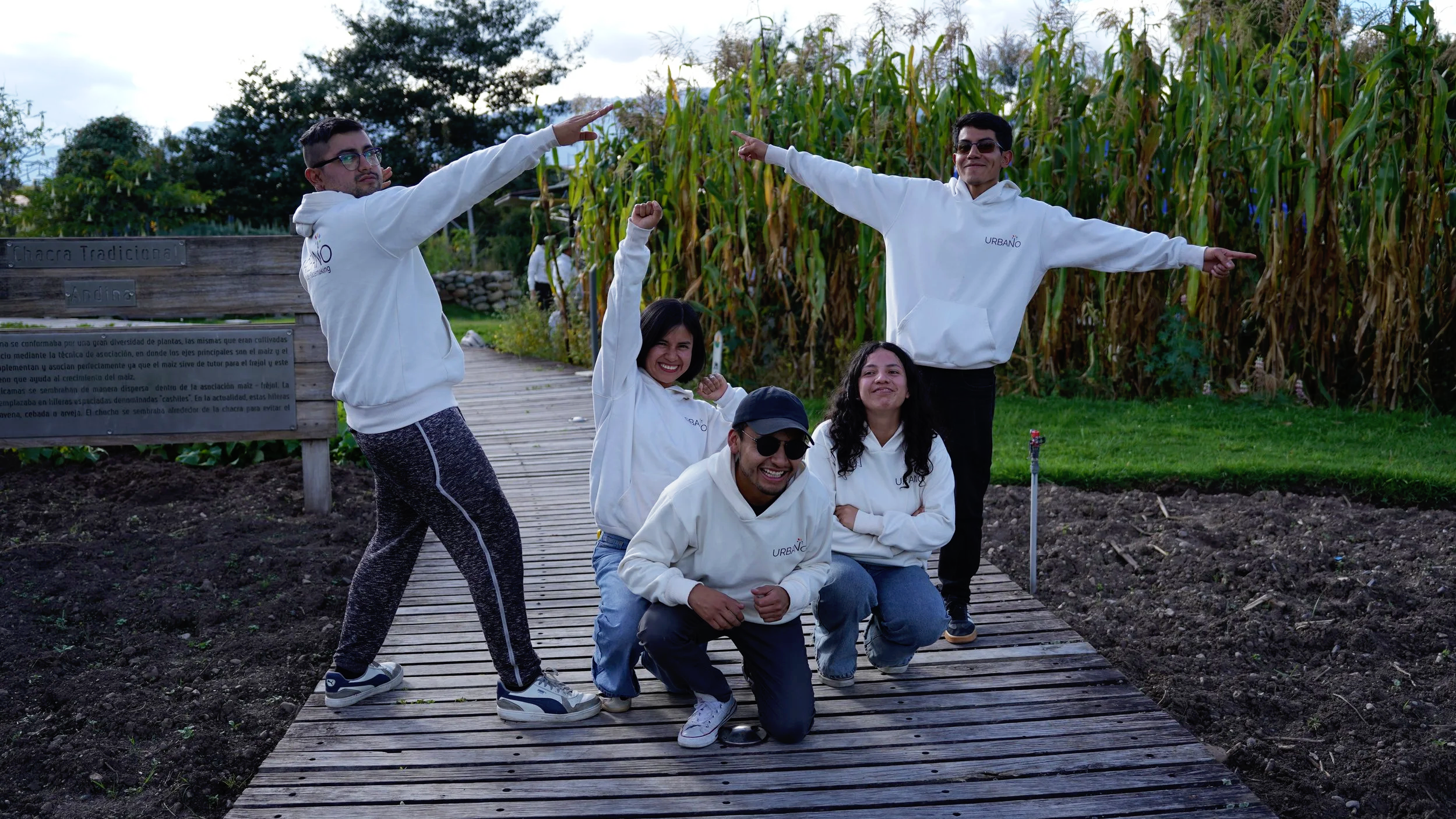
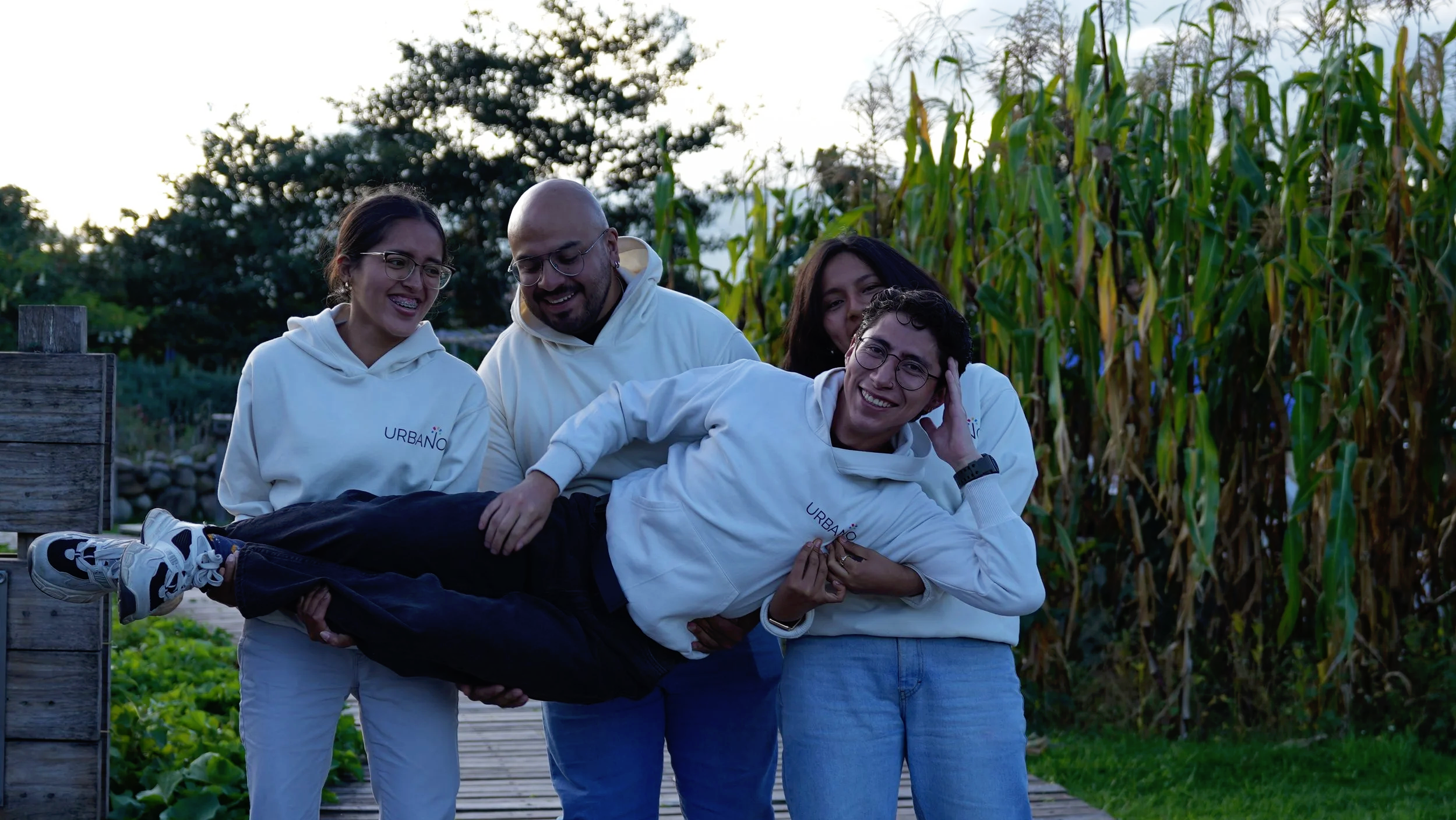
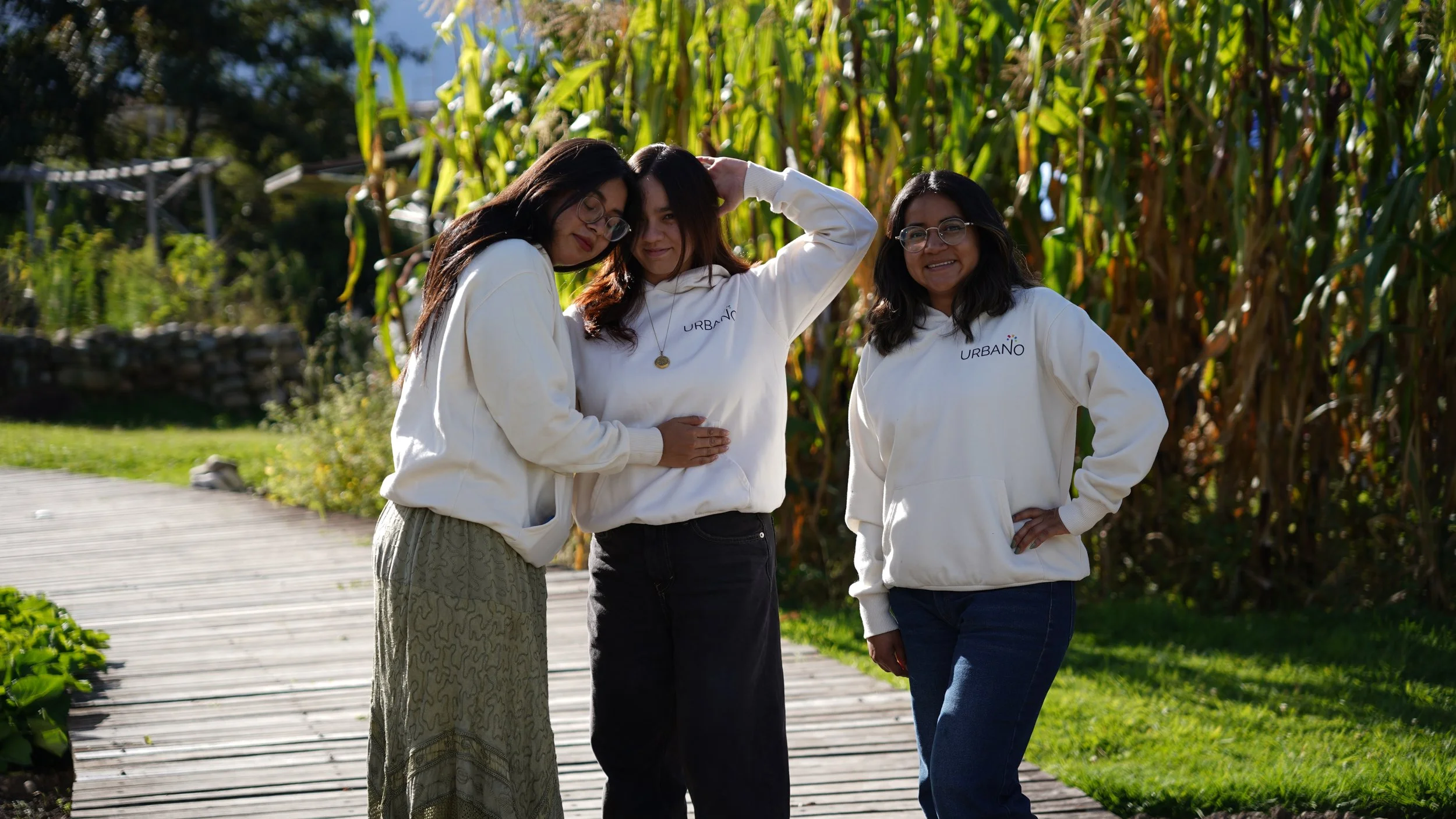
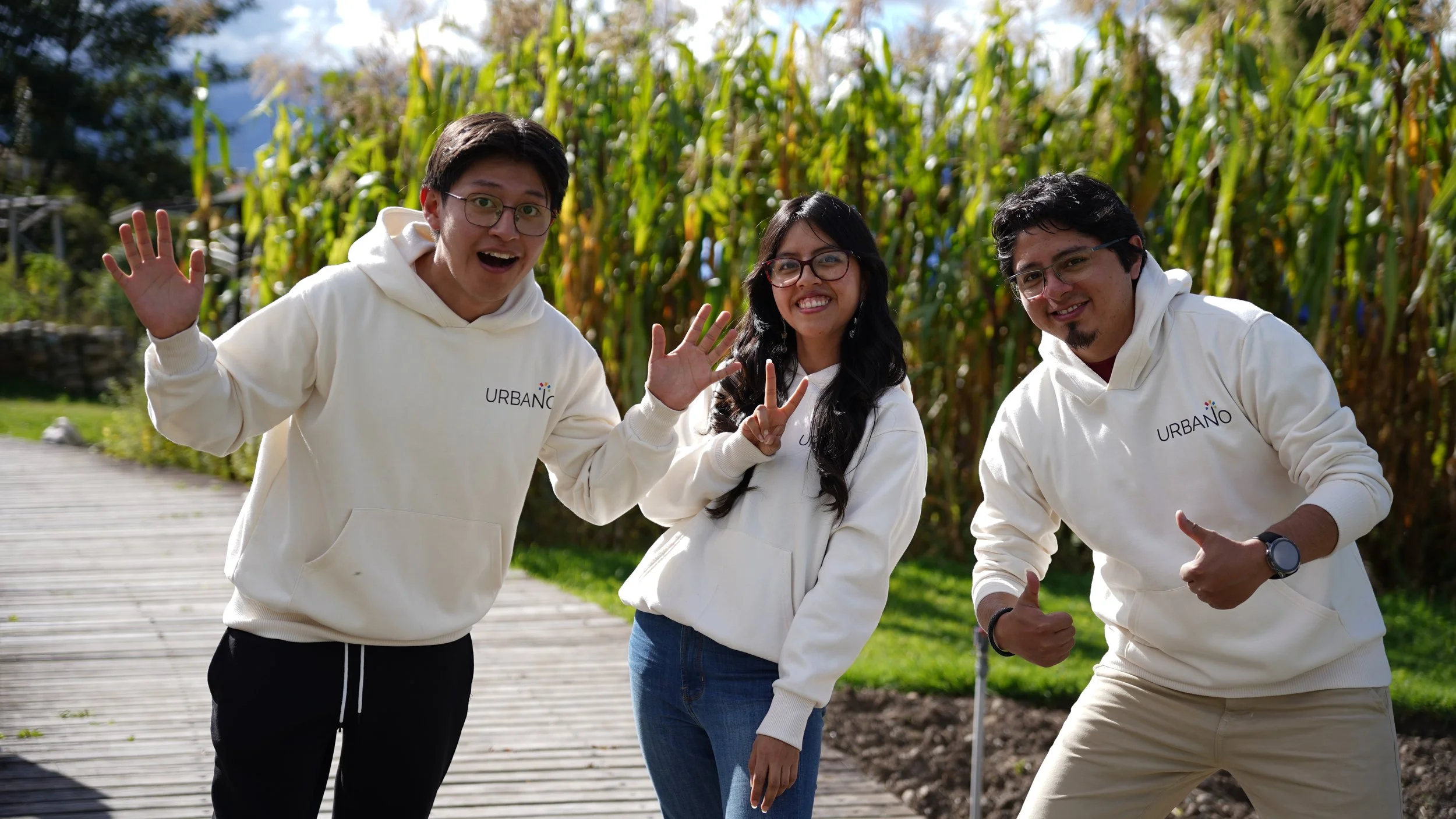
We developed URBANO: the Placemaking School
URBANO is an initiative that seeks to empower young people to transform their city. Through placemaking, an approach that allows them to creatively intervene in public spaces, participants don't just imagine: they build tangible improvements.
Results
40 participants and 5 placemaking implementations.
8 out of 10 young people consider Cuenca a healthy and safe city.
6 out of 10 feel safe in the city.
4 out of 10 believe that more interventions are needed in green areas.
URBANO Experience 2025
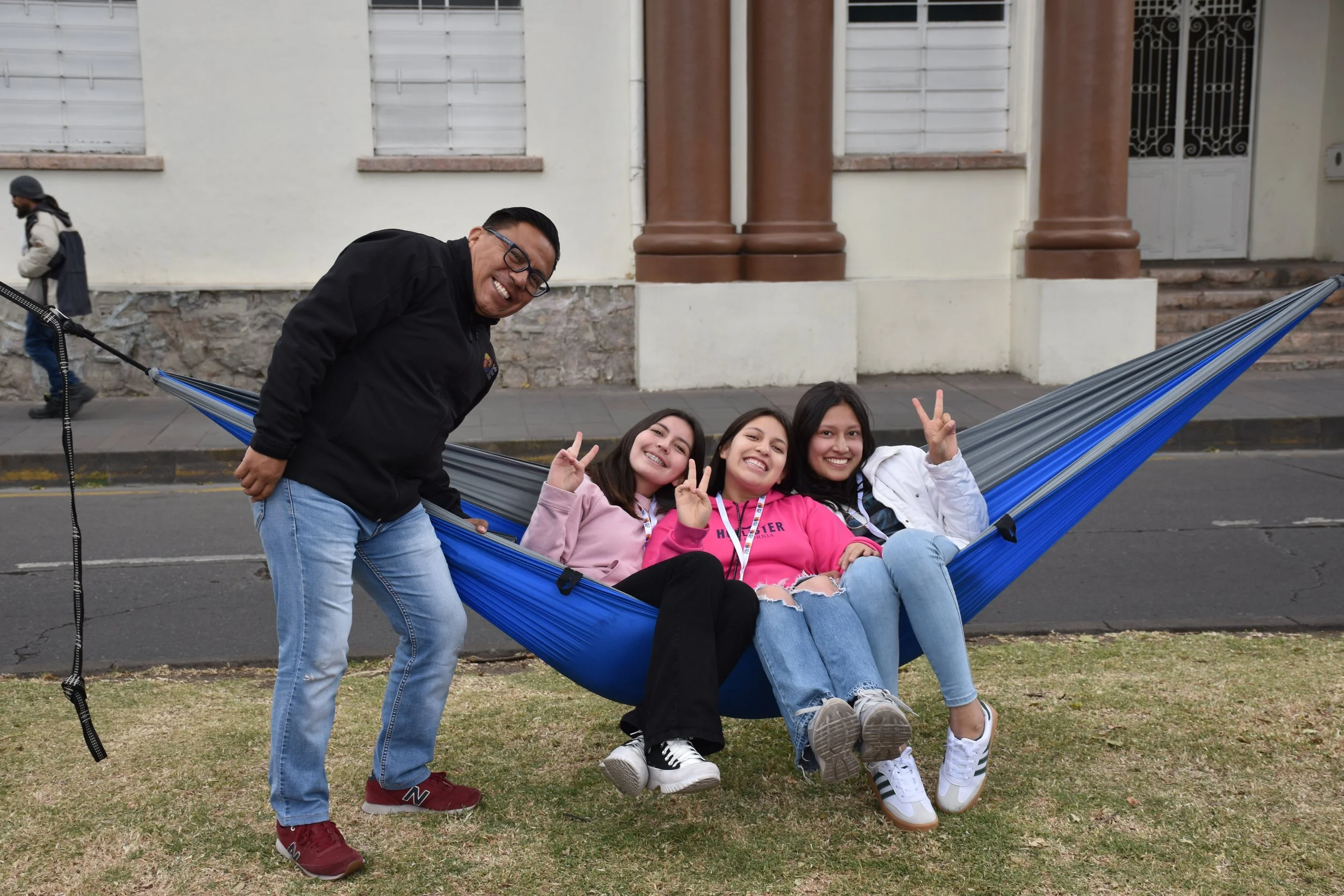
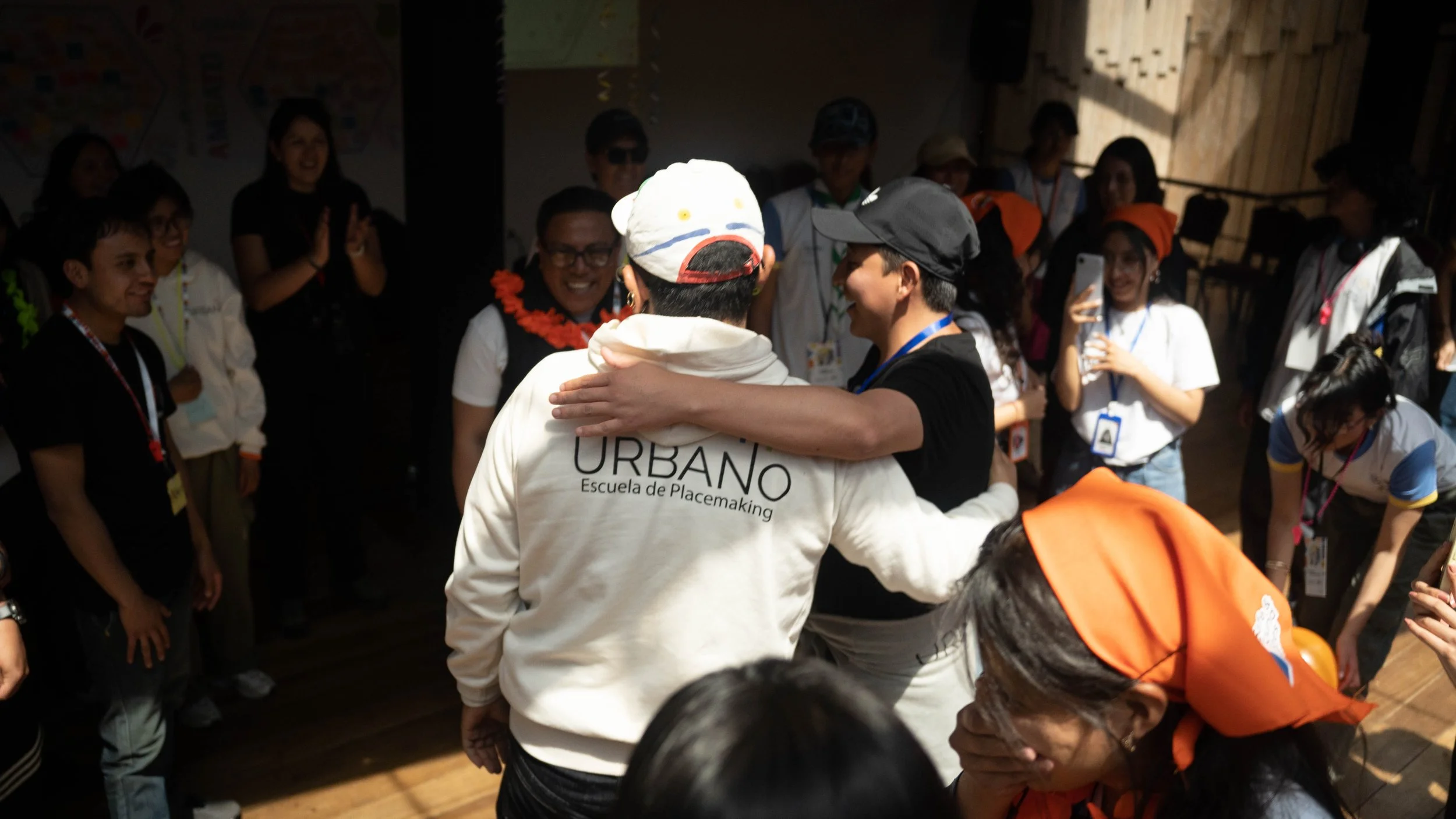
Two unique weeks exploring urban challenges and placemaking strategies. URBANO Experiencia Cuenca sought to generate urban experiences in different areas of the city, promoting the creation of interventions through collaborative work and practical analysis tools. It was an experience of experiential, multidisciplinary learning and community building around placemaking.
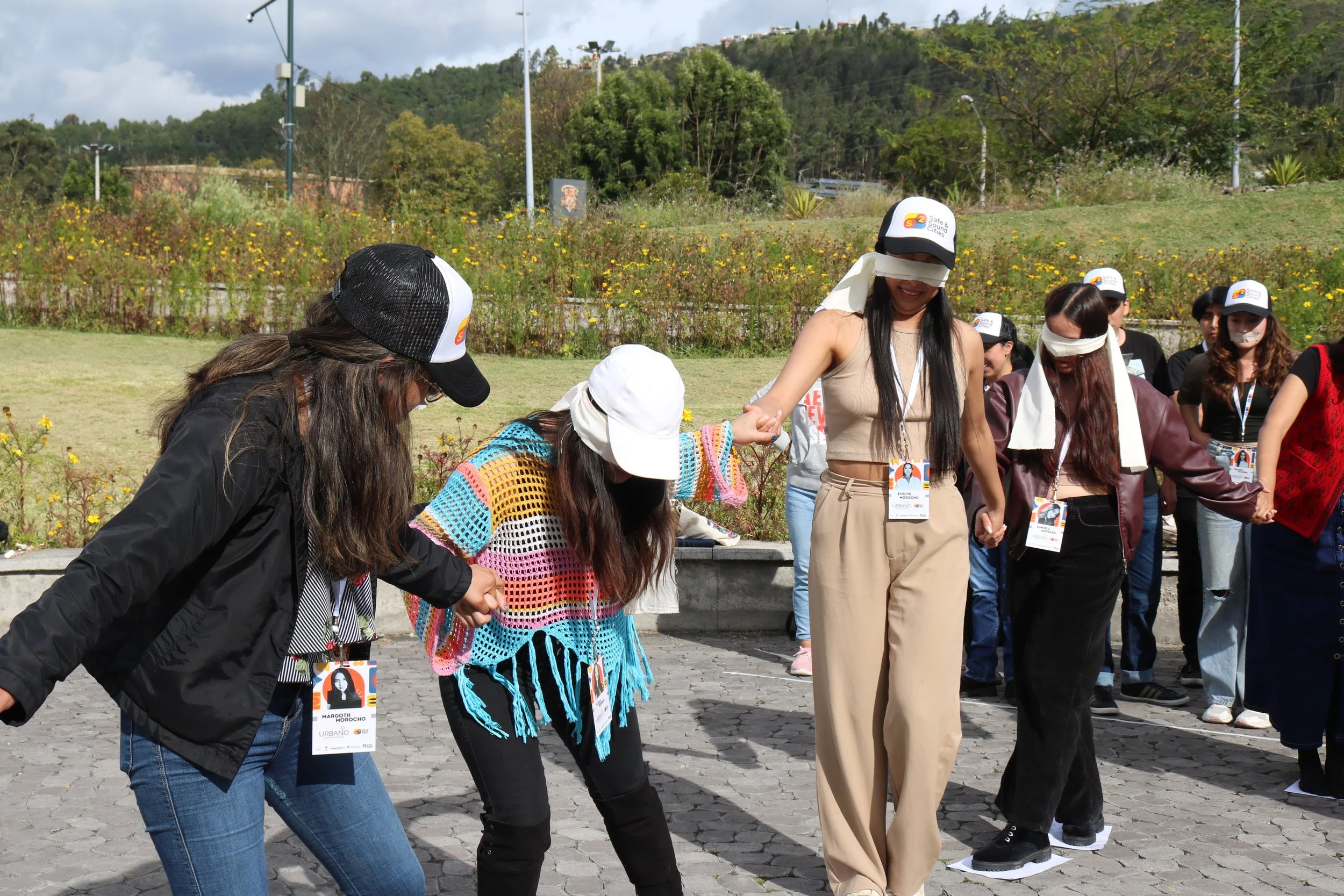
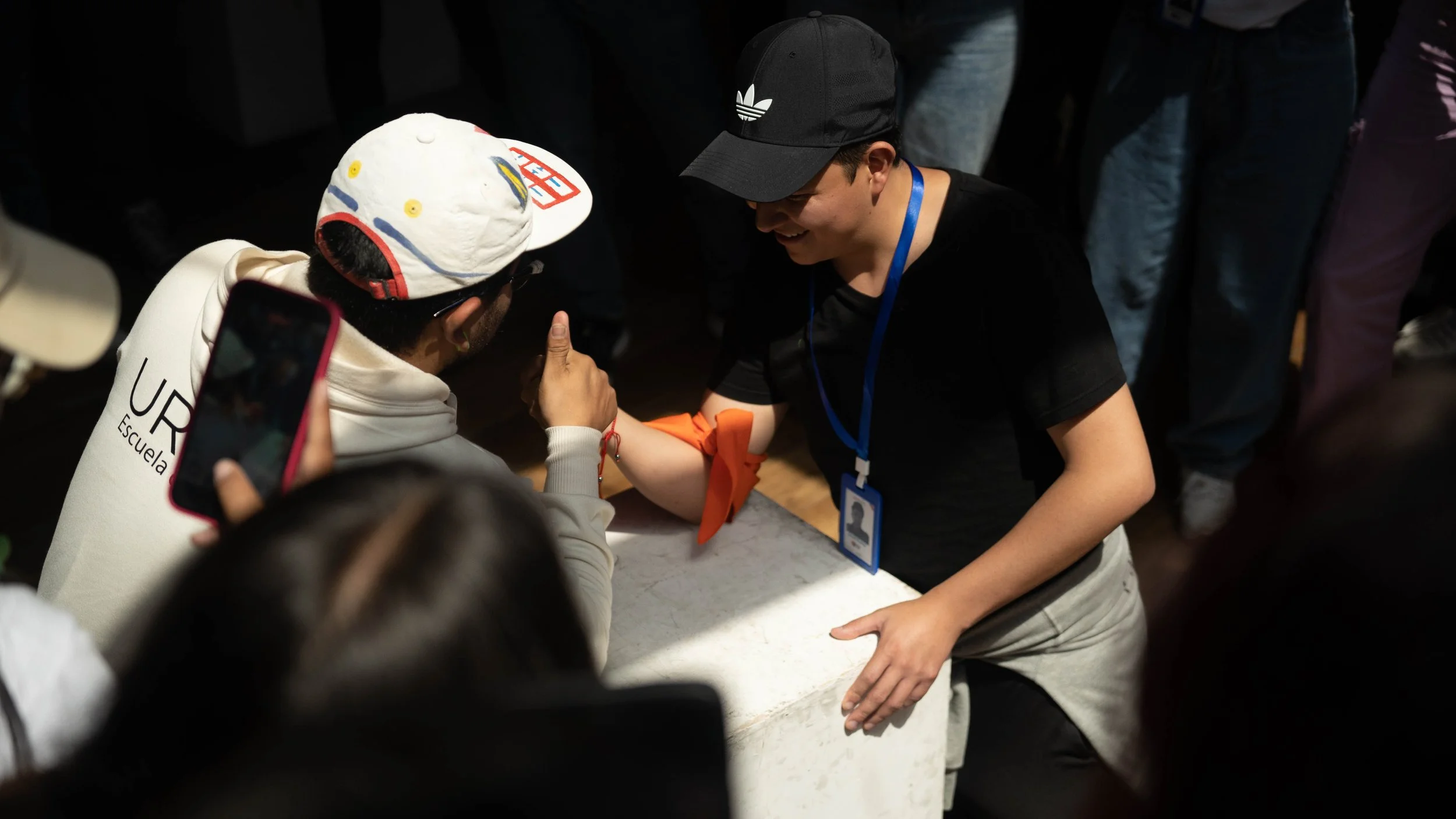
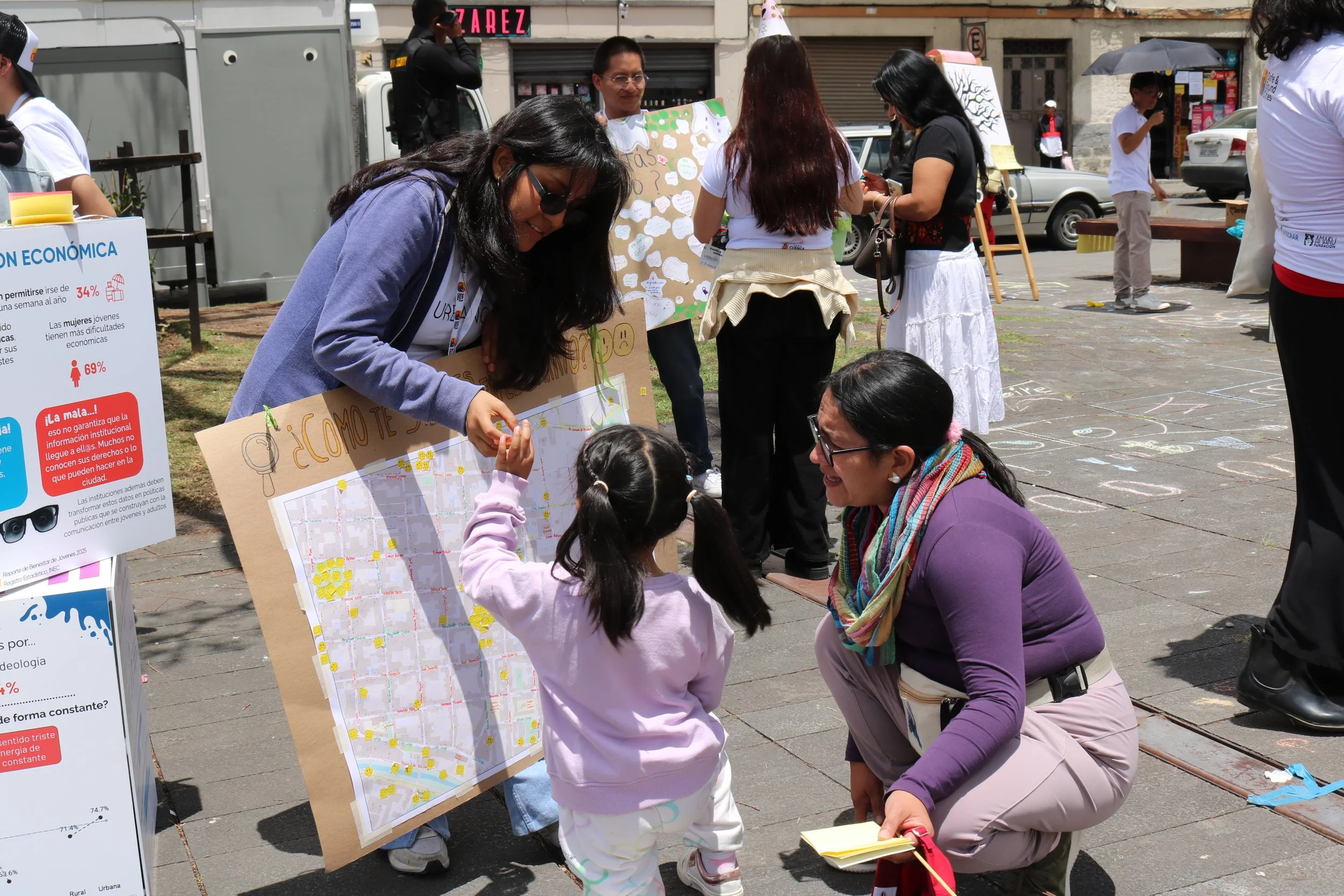
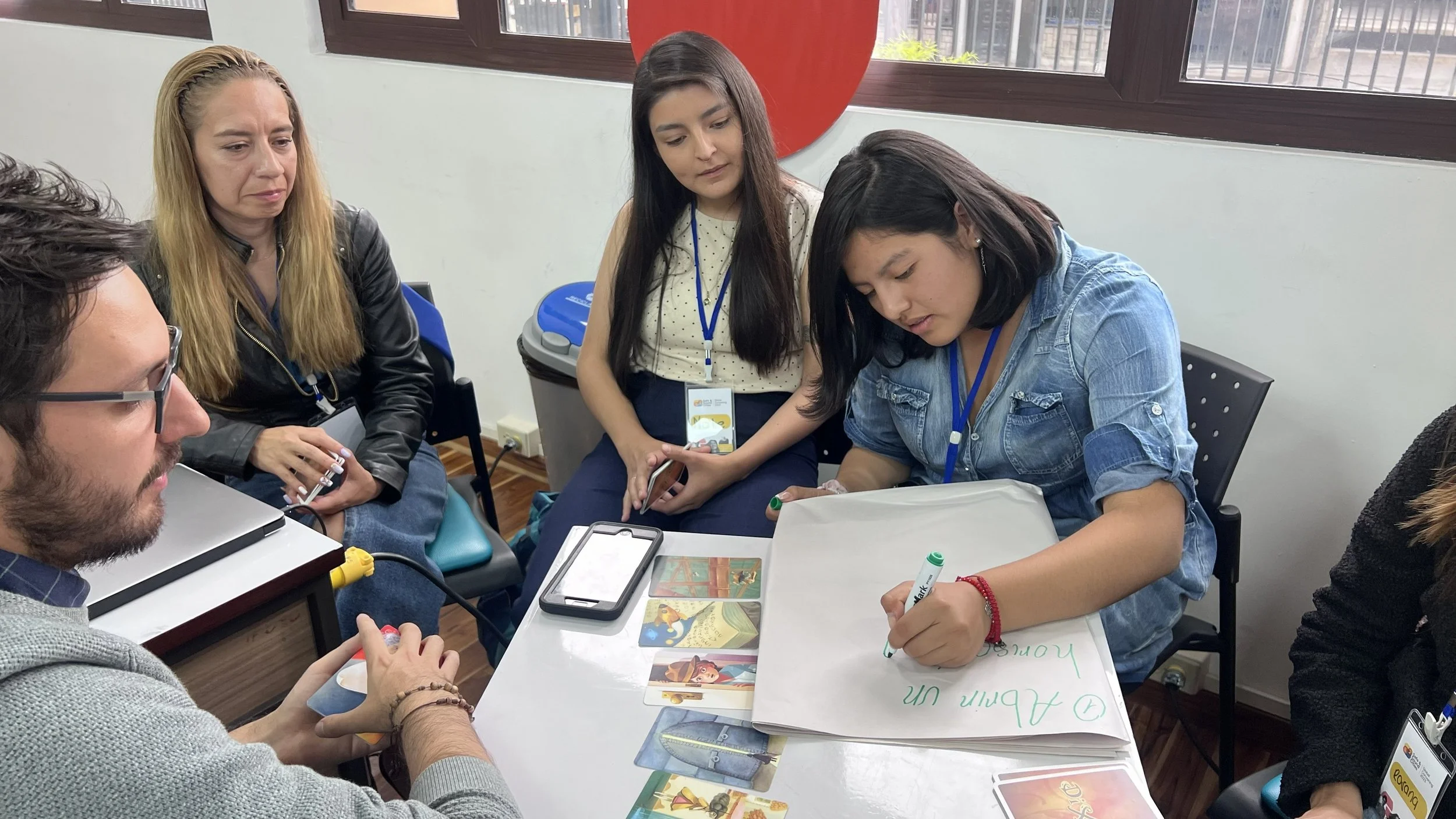
The young people combined theoretical training with a strong experiential component: urban tours, dynamics like Dixit and the Marshmallow Challenge, photography workshops, participatory maps, and project prototyping. Out of 96 applicants, 45 young people were selected to live this experience.
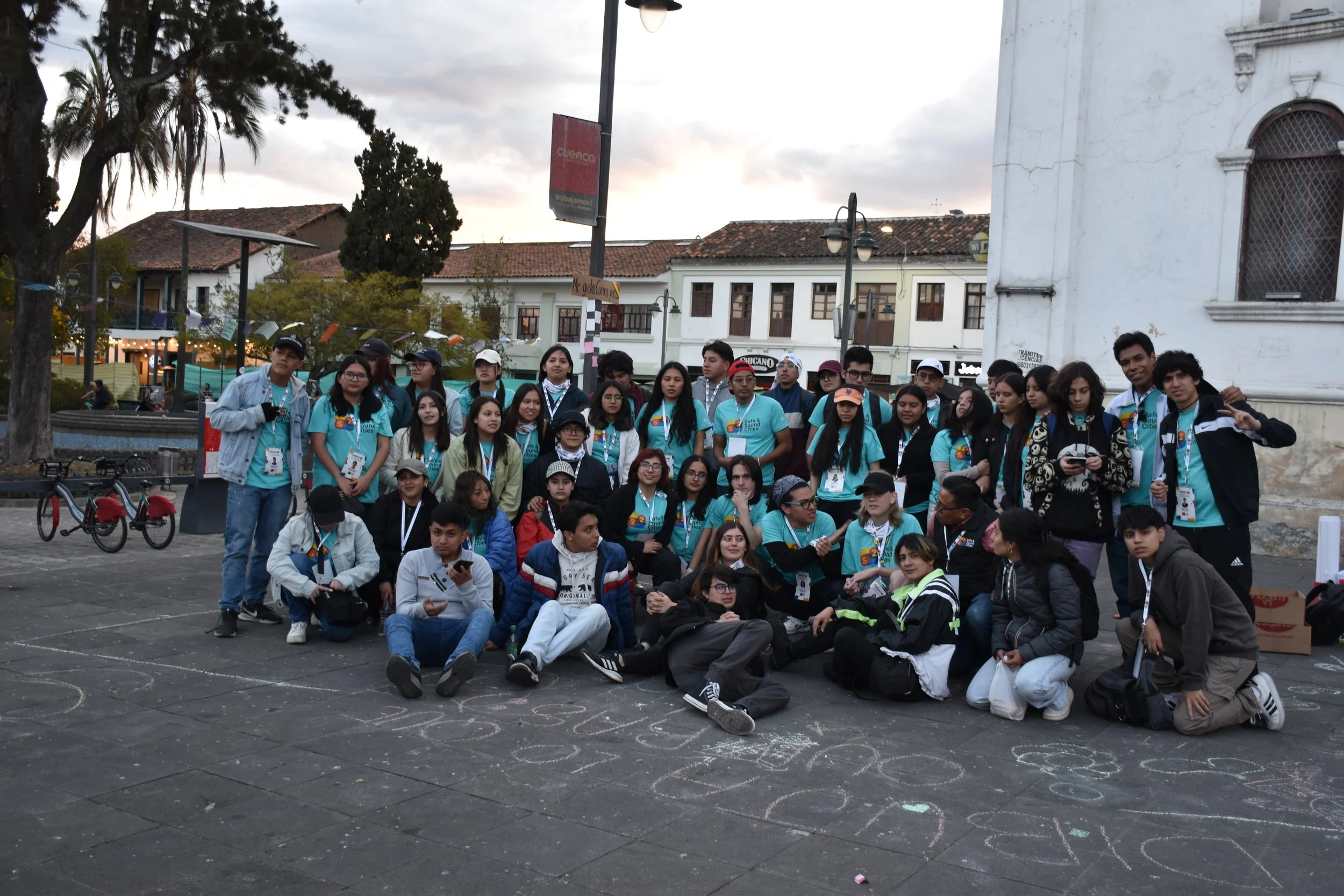
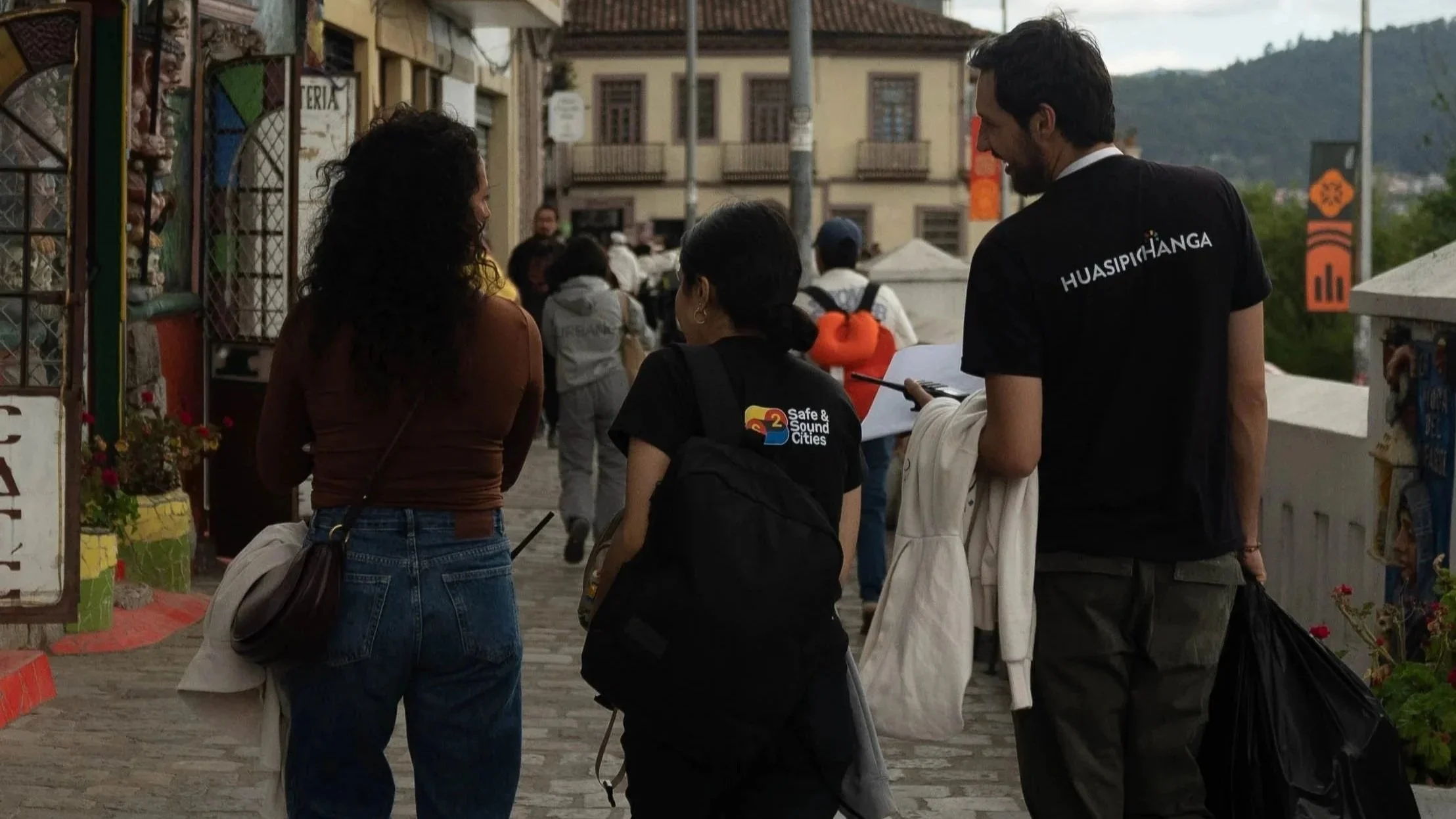
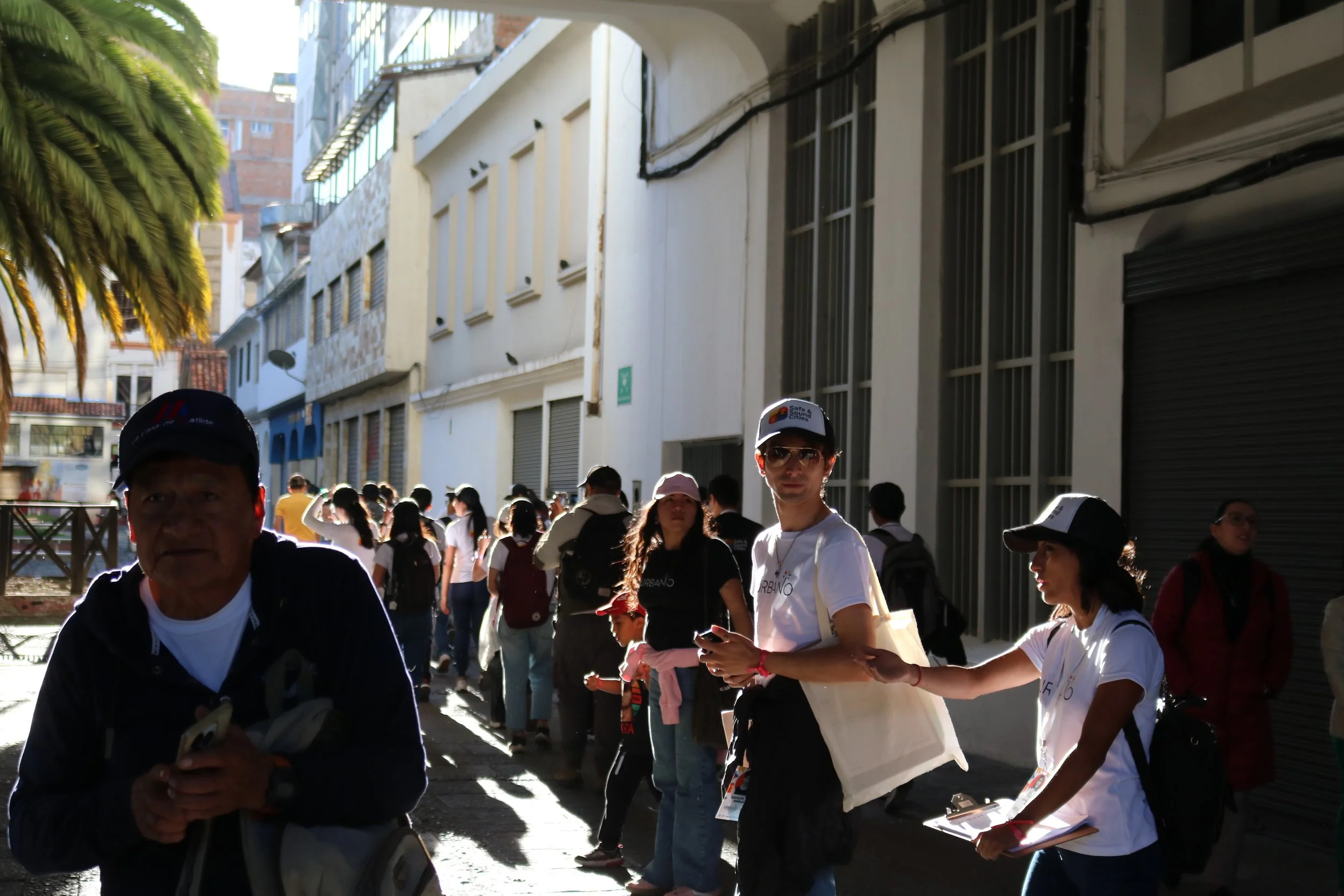
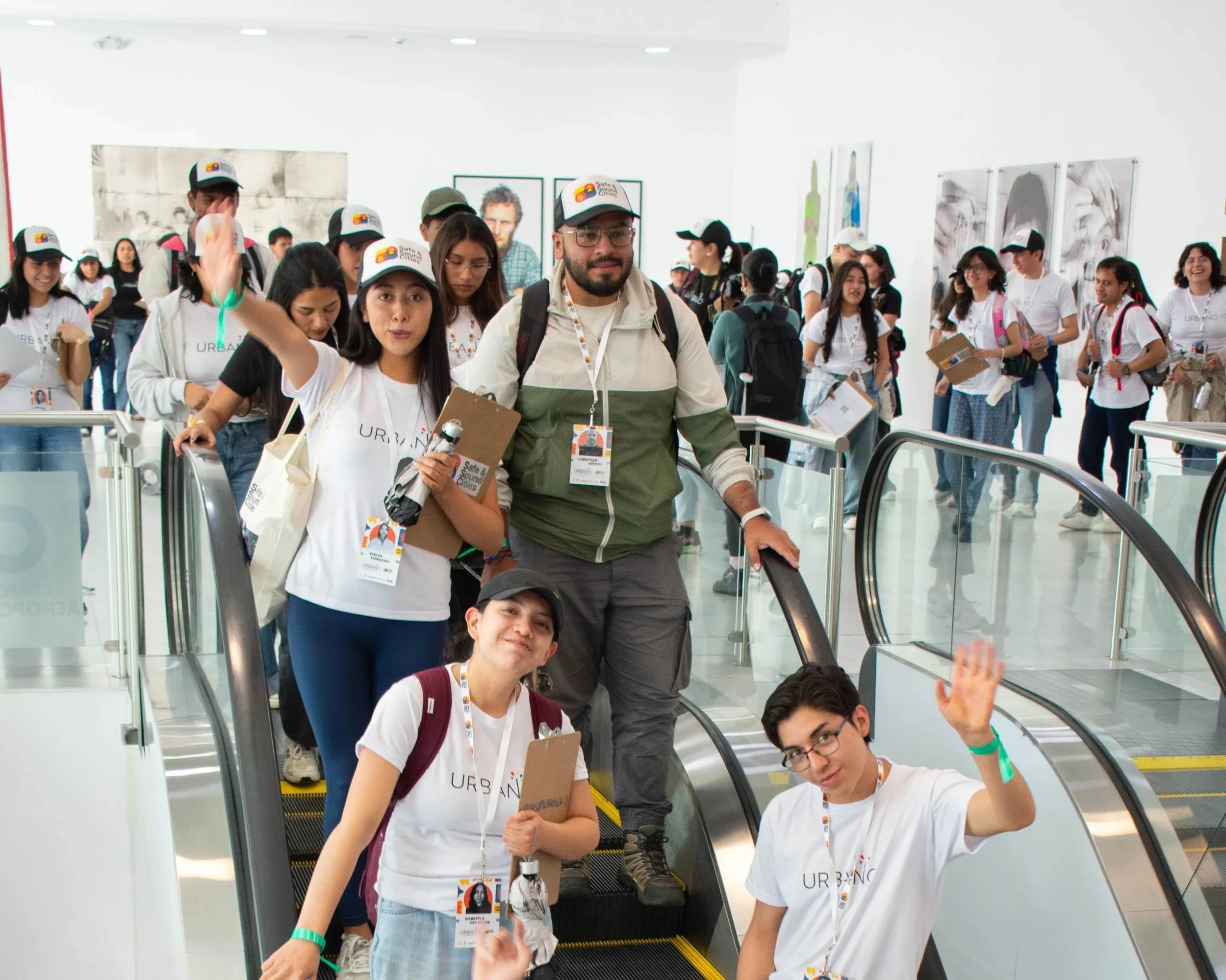
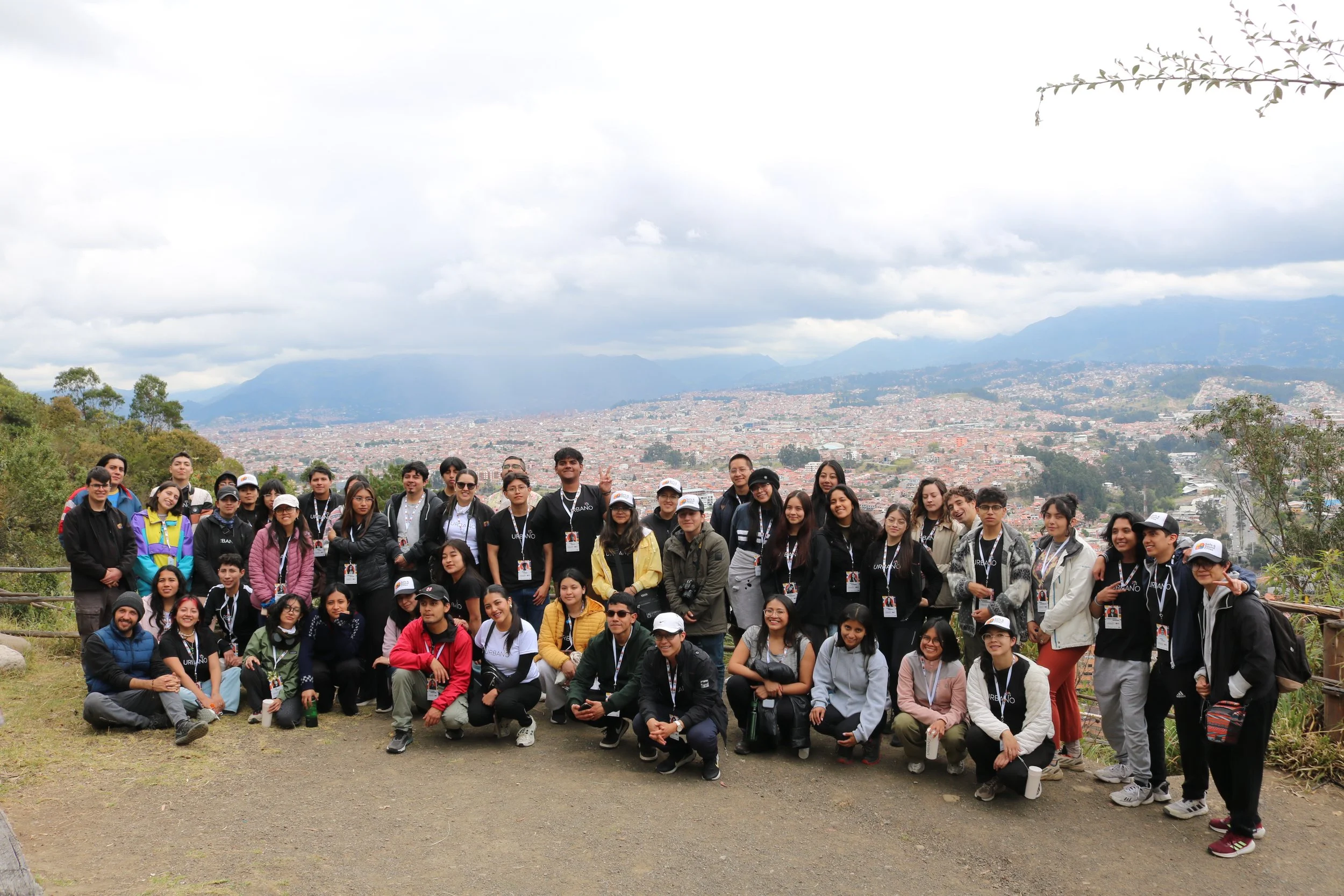
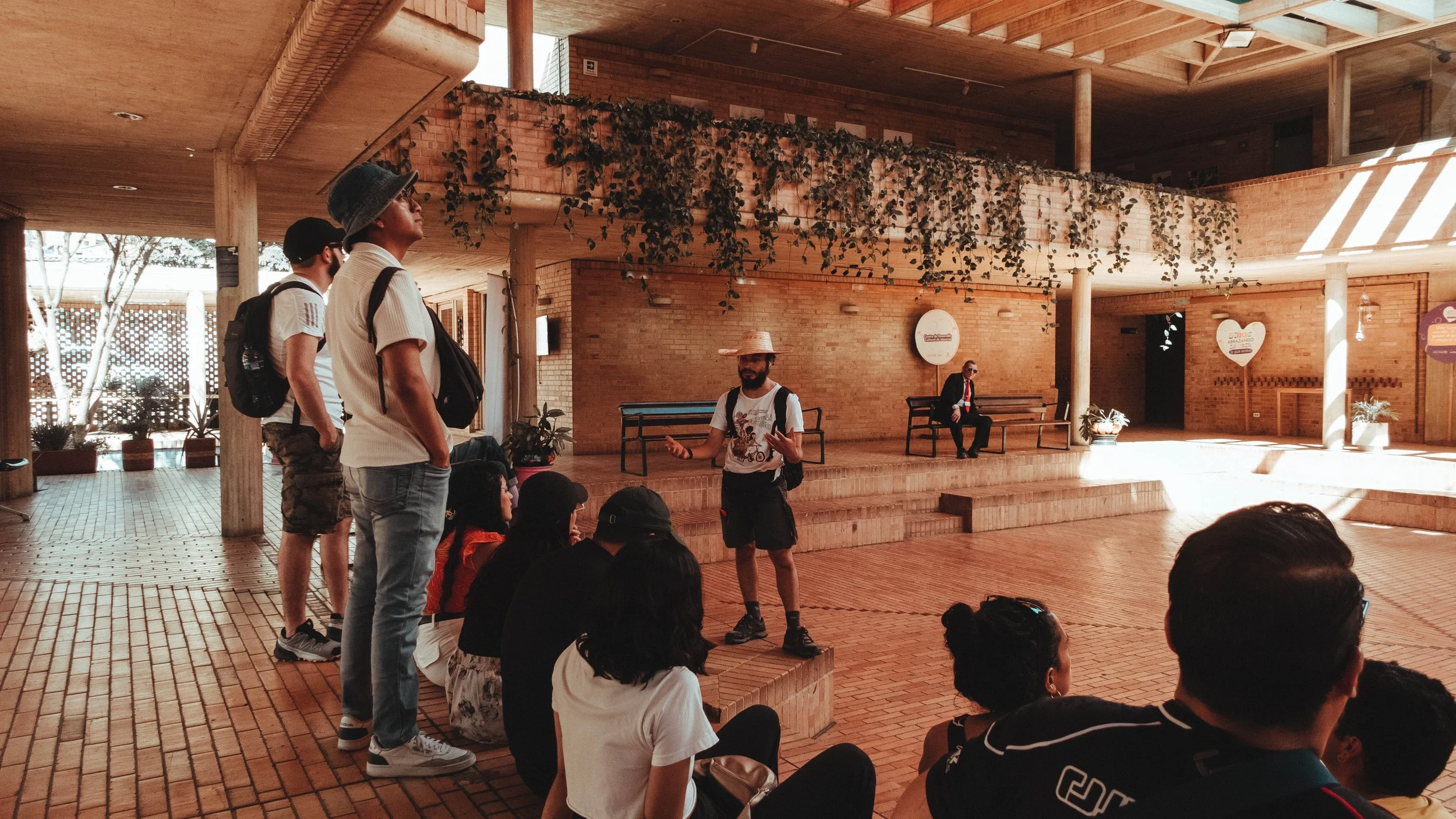
One of the most symbolic moments was the URBANO Walk: more than 40 young people toured the city, starting from Arteria as an example of urban change, to learn about the context of different neighborhoods and historic areas, and to develop an advocacy festival in public spaces.
Results
Average attendance of 94%.
Greater motivation in the hands-on activities.
Soft skills such as teamwork, empathy, and creativity were strengthened.
A greater connection with the city and public space was generated, and companionship and integration were strengthened.
What the young people took away:
“I learned that uncomfortable moments can be great. Even though it sounds contradictory, they generate moments and knowledge for a lifetime. I didn’t have specific expectations, and I can only say thank you so much to everyone, friends”
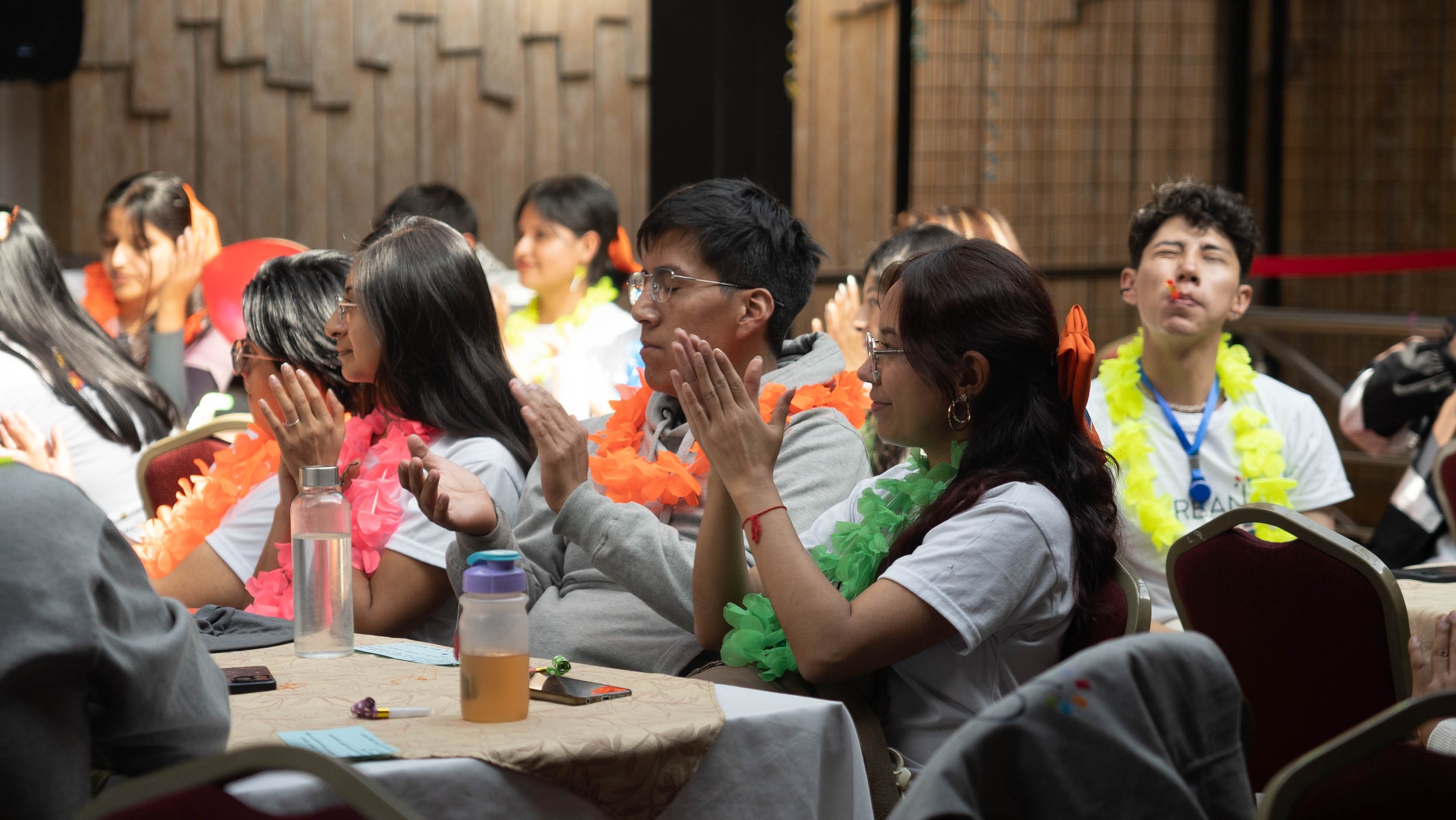
“I wanted to learn about my city, and I did. It helped me have faith in young people again, and in the country. I also made good friends that I’ll keep, and that’s something I wasn’t expecting.”
“I came in thinking it was going to be something formal, but it wasn’t: it was very dynamic and I had a lot of fun. On the walks around the city, I imagined a thousand things… as a lover of all things artistic, I saw my beautiful Cuenca with very colorful eyes.”
“I like that the leaders don’t see us as a lower rank; being friends across all ages is beautiful. There are people I’ve already been able to meet, and the program gives me the opportunity to strengthen those alliances.”
PPE: Student Participation Program
Healthy and Safe Young People
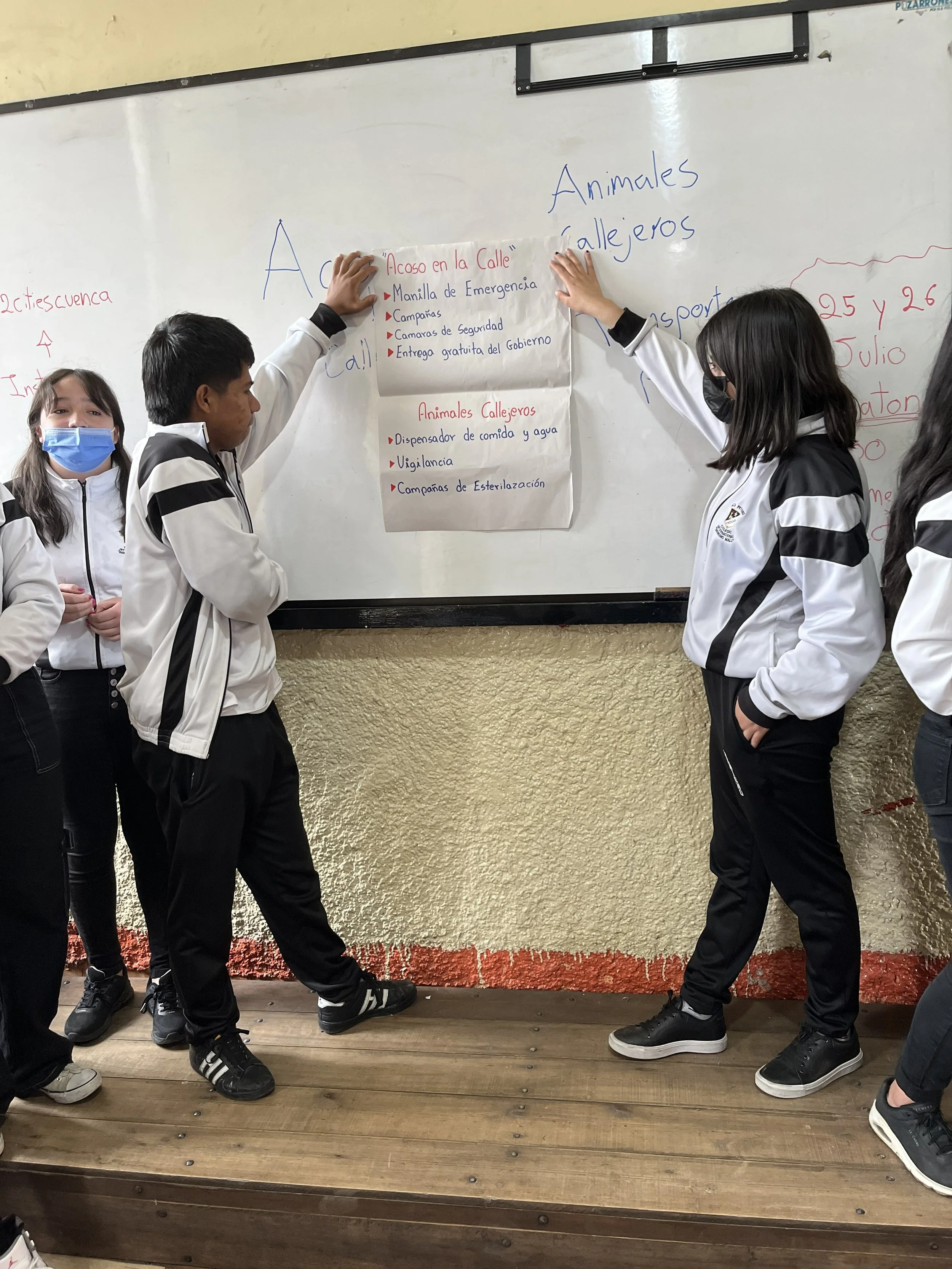
"But that wasn't all…" we also joined the Student Participation Program "Healthy and Safe Young People: Stories and Advocacy to Transform Public Space," a pedagogical proposal that seeks to strengthen the role of students as active actors in the construction of urban environments.
We developed this process in two directions: working directly with students, and also with the teachers in charge of the Student Participation area, so that the methodology has continuity within each institution.
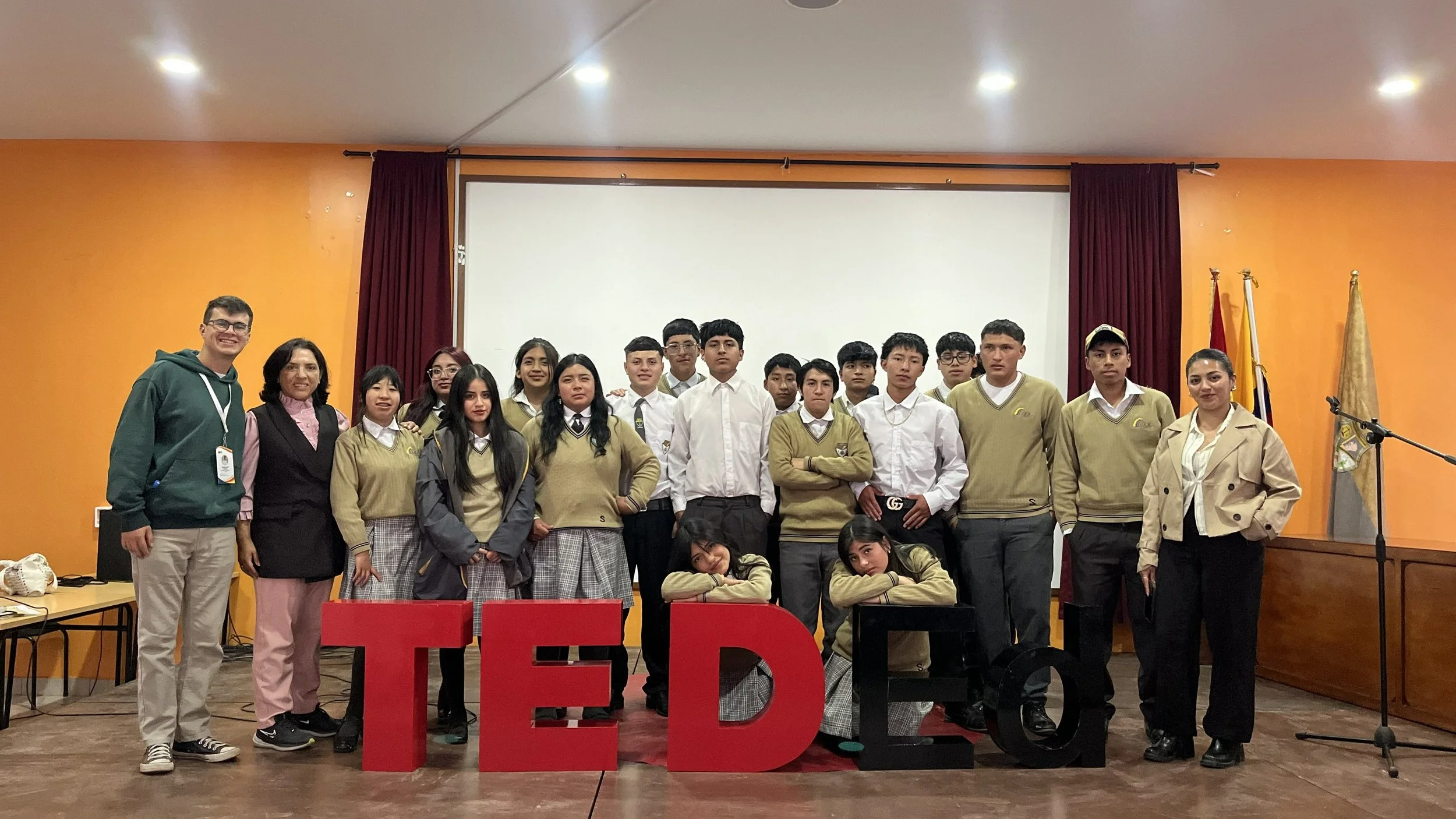
The program integrates two methodological approaches: TED-Ed Clubs, which develop storytelling skills, critical thinking, and communication through the construction of stories about the city; and Urban Pedagogy, which promotes the exploration of the territory, the participatory analysis of the environment, and the co-creation of proposals to improve public space.
The talks revealed a strong sensitivity toward the urban and environmental surroundings. Students expressed their concern about problems such as pollution, the deterioration of public spaces, the abandonment of animals, and the loss of natural ecosystems. At the same time, they recognized Cuenca's great natural and cultural potential, valuing its landscapes and natural areas.
+350 students
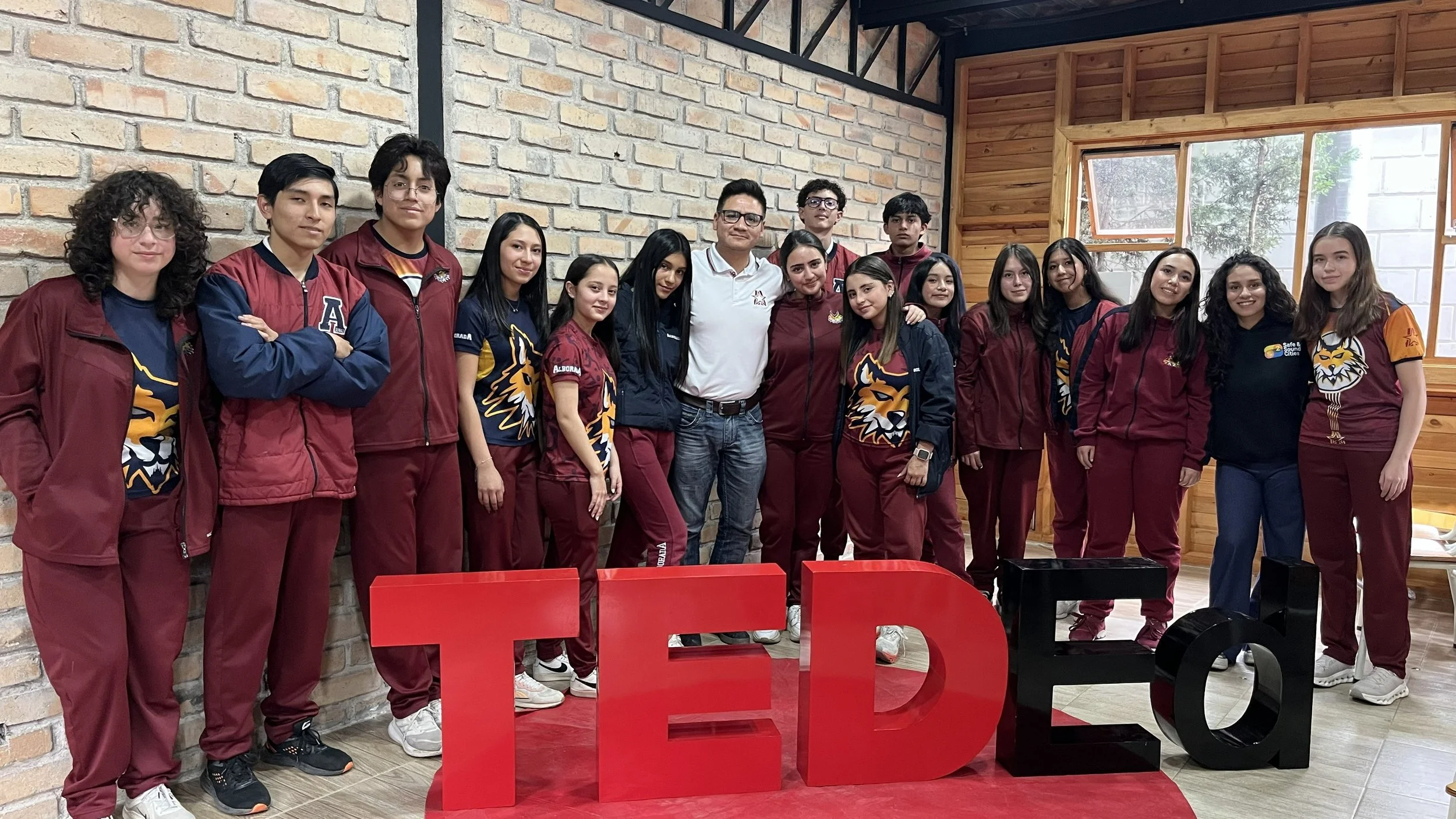
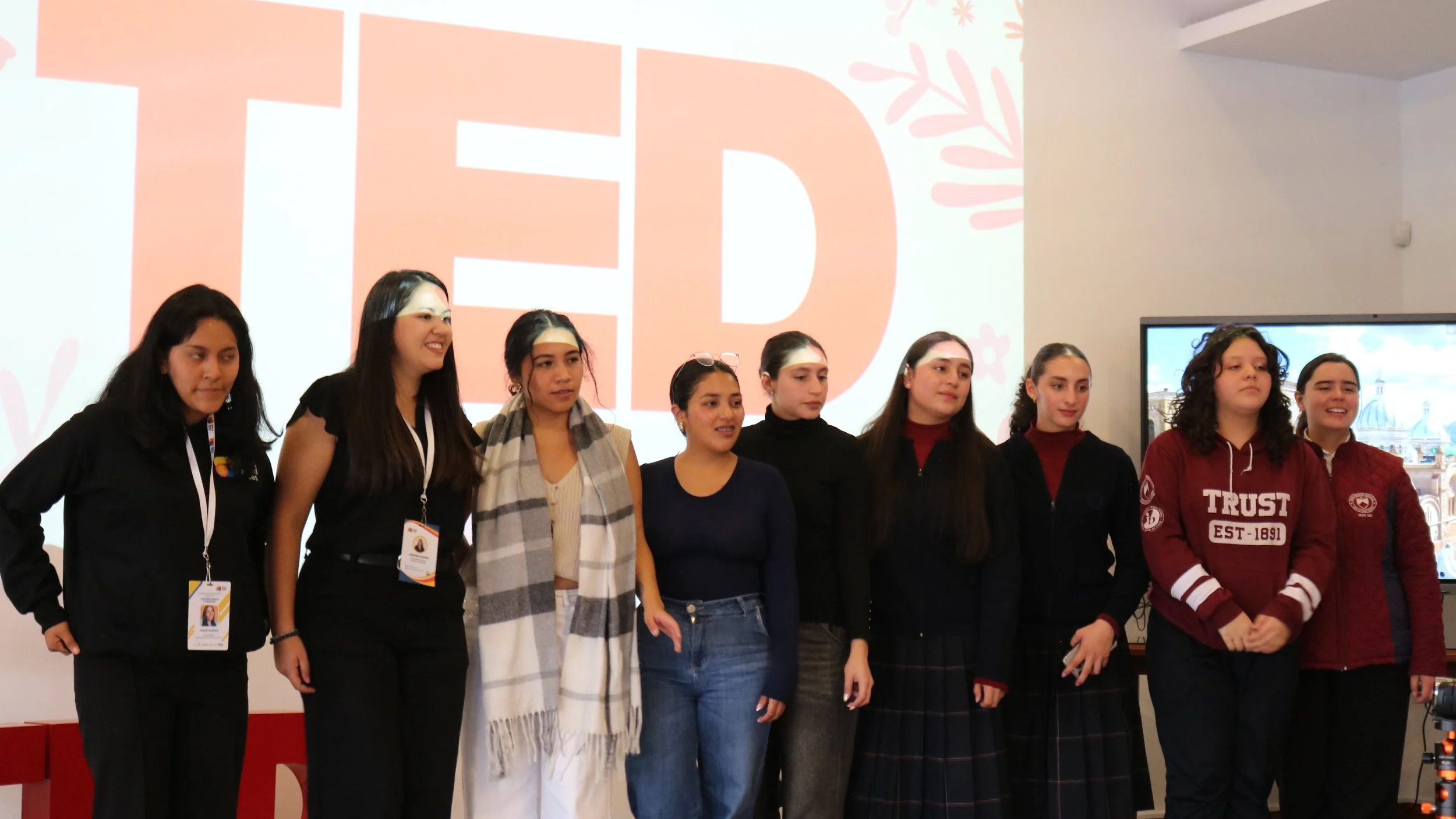
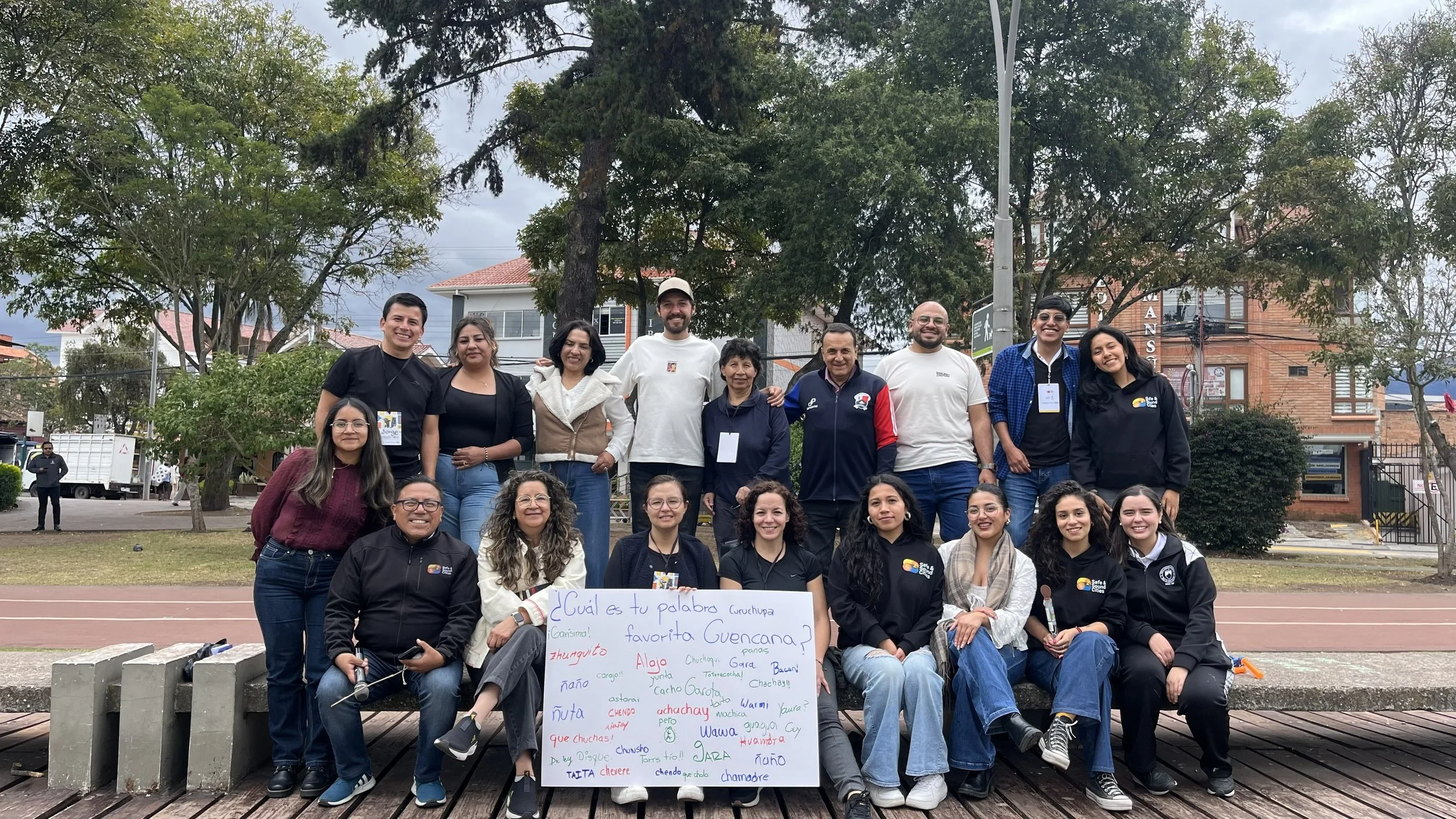
The participating institutions were: Unidad Educativa Luis Cordero, Unidad Educativa César Dávila, Unidad Educativa Fray Vicente Solano, Unidad Educativa Sayausí, Unidad Educativa Particular Porvenir, Unidad Educativa Particular Borja, Unidad Educativa Particular Rosa de Jesús Cordero, Unidad Educativa Particular Alborada, Unidad Educativa Particular Las Cumbres y el Colegio Alemán Stiehle.
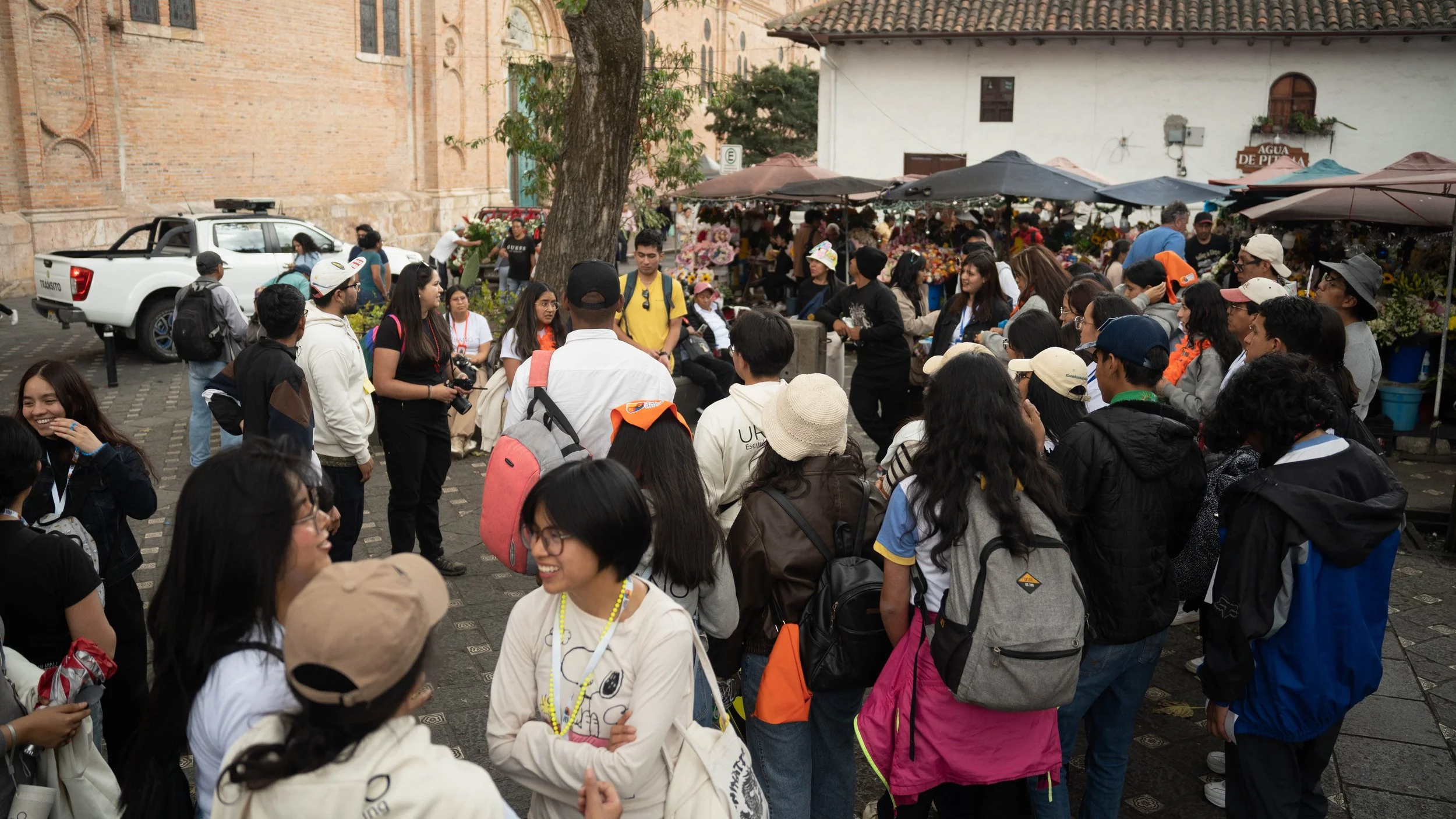
“I met incredible people, with a lot of talent and knowledge, and with some crazy-cool ideas about how to make changes in the city.”
What they told us…
“By realizing that there are many forms of participation in the city, the initiatives come from creativity, unity, and not prejudices. By getting to know and questioning how something works, we strengthen the diversity that transforms lives and communities.”
10 schools
“It has changed the way I see and relate to public space. Understanding the importance of a community and how, through it, big changes can be generated.”
URBANO Experience 2024
In this first edition, they learned to design and carry out projects that impact their community, working together to bring urban corners to life.
The program combined everything from design workshops to hands-on activities, including the creation of small space projects and an educational camp at BioParque Amaru. All in an environment that inspired innovation, learning, and, above all, community building.
The activities of this first edition:
Placemaking workshop: introduction to the concepts and fundamentals of placemaking, with group dynamics and talks about urban interventions.
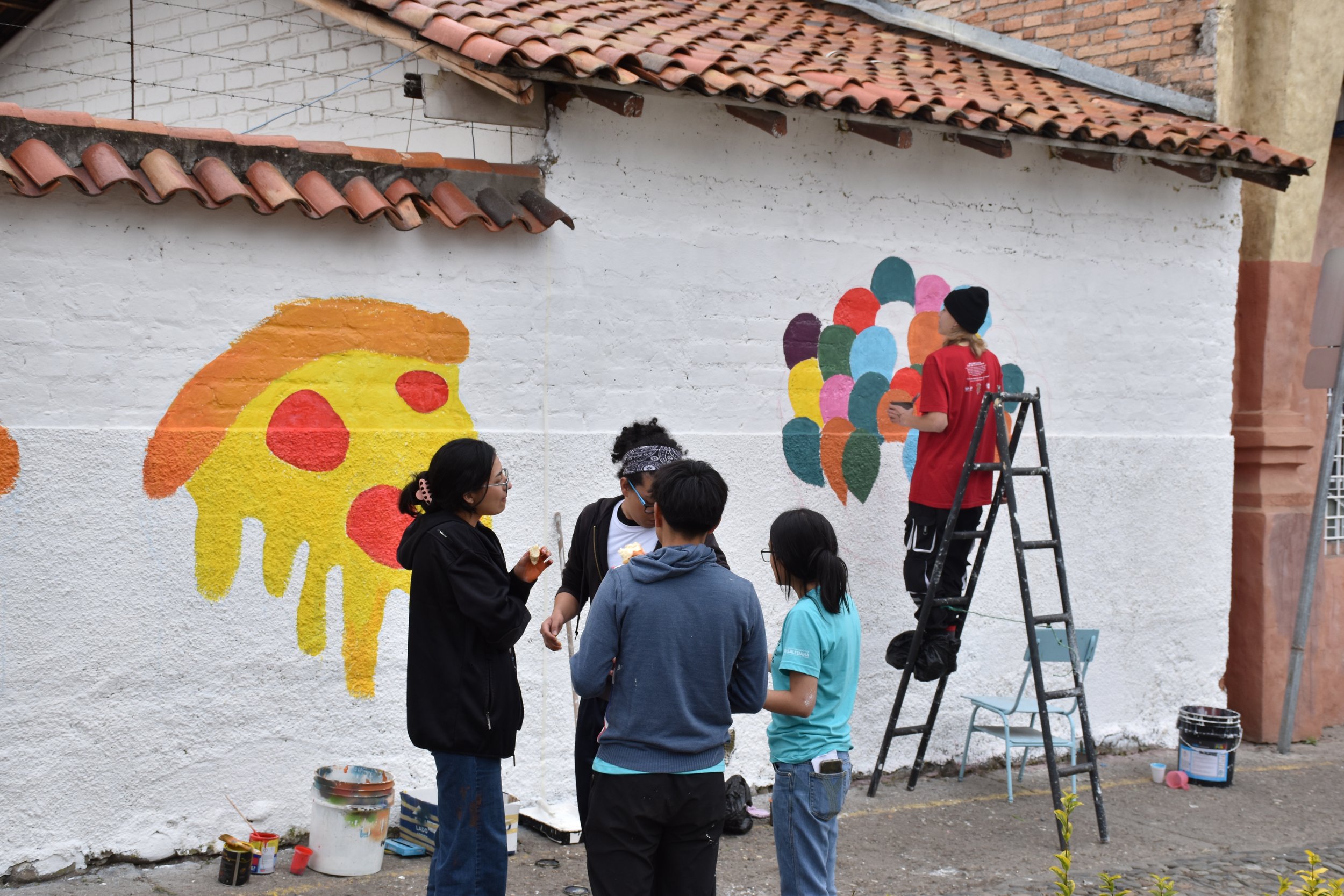
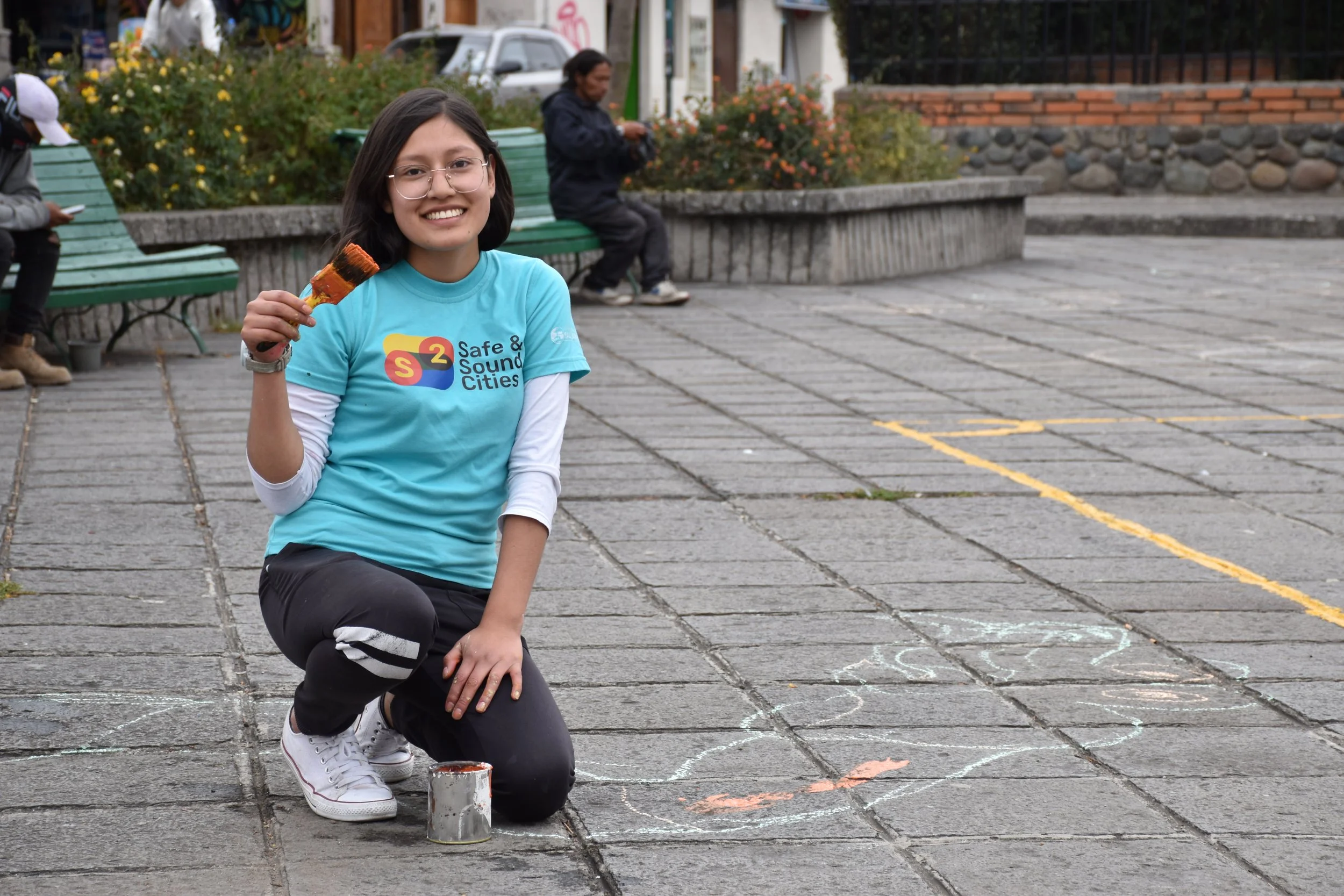
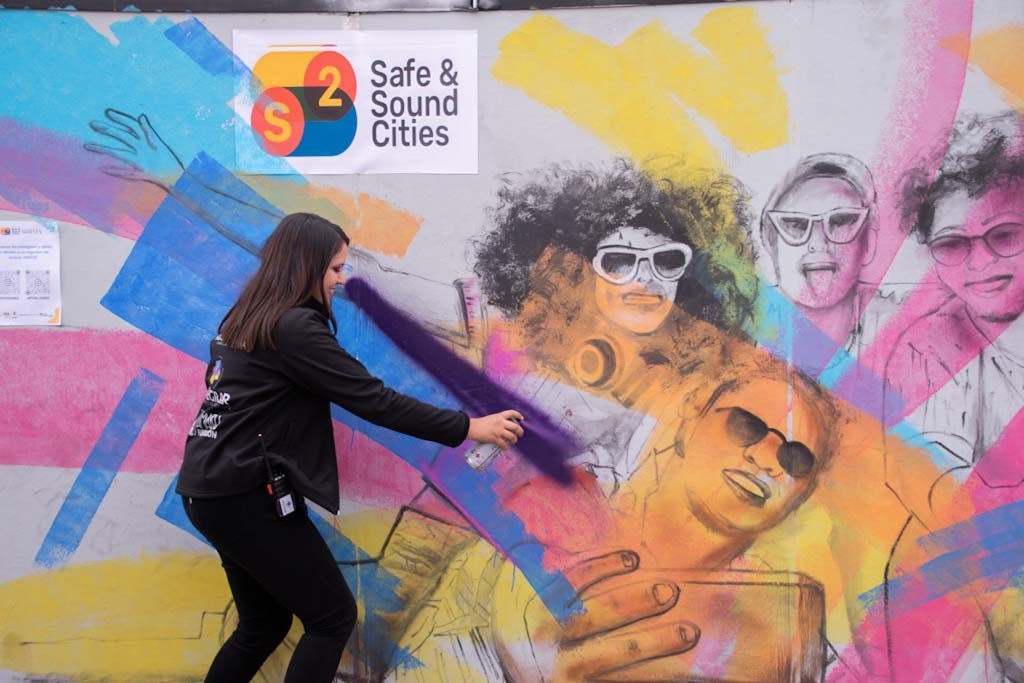
Placemaking Afternoon at Arteria: a collaborative activity where young people painted murals.
Urban hiking: a tour of the city to evaluate public spaces and generate ideas for future interventions.
Camp at BioParque Amaru: a full day of activities focused on the conservation of local wildlife, including nighttime community events.
Placemaking interventions: 5 urban interventions in different public spaces, designed and carried out by the participants.
International Visit: Windesheim University
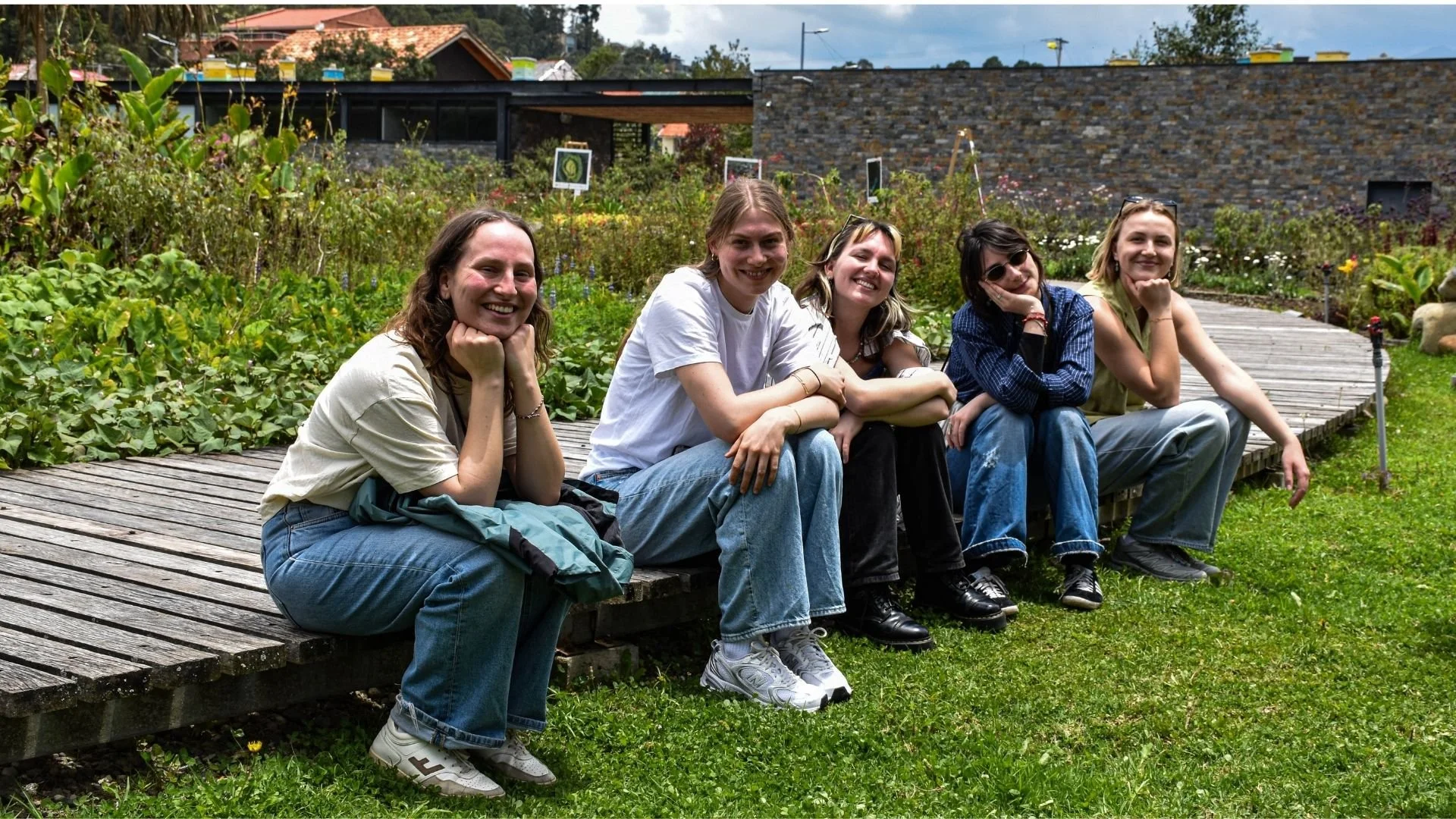
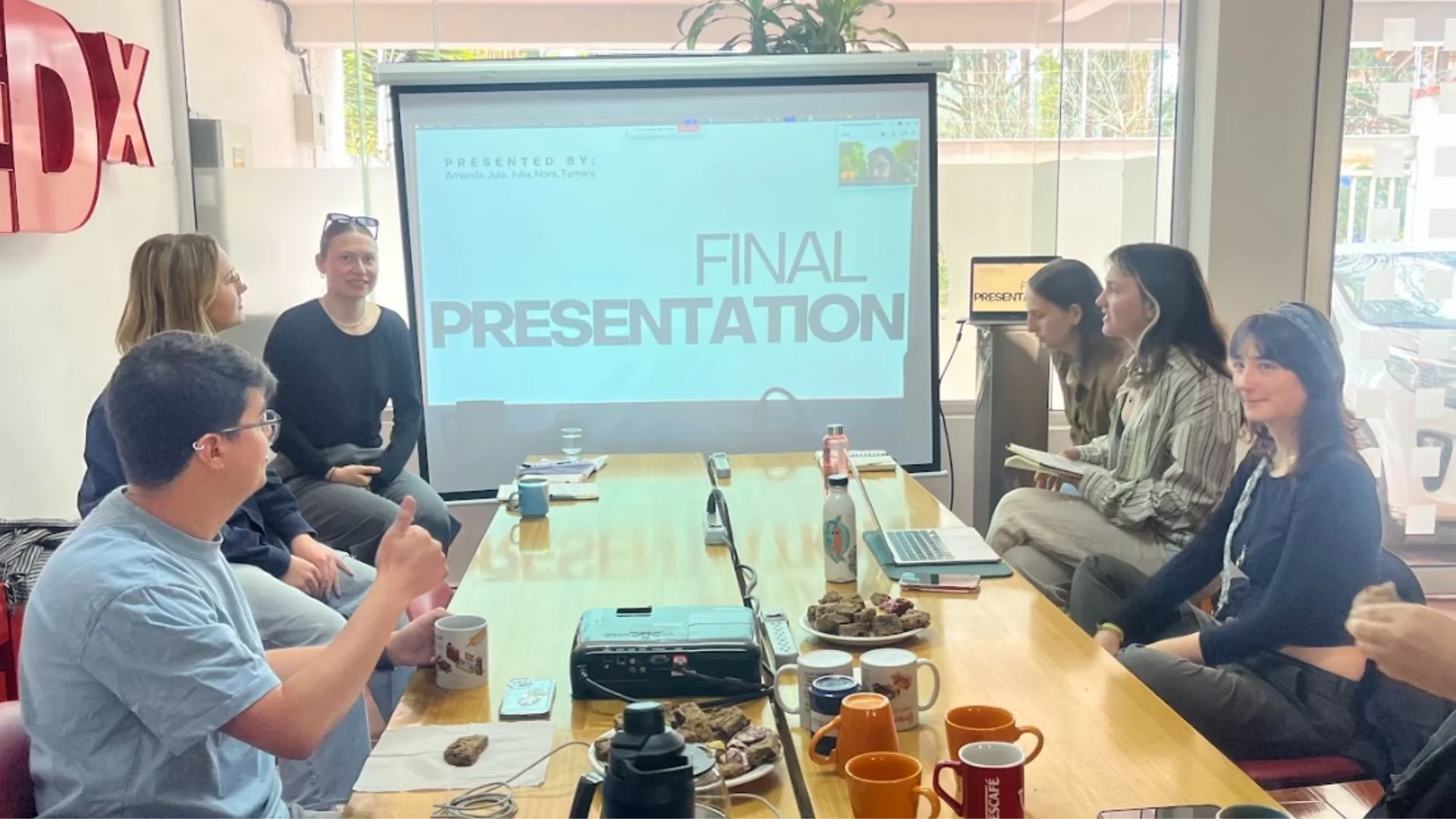
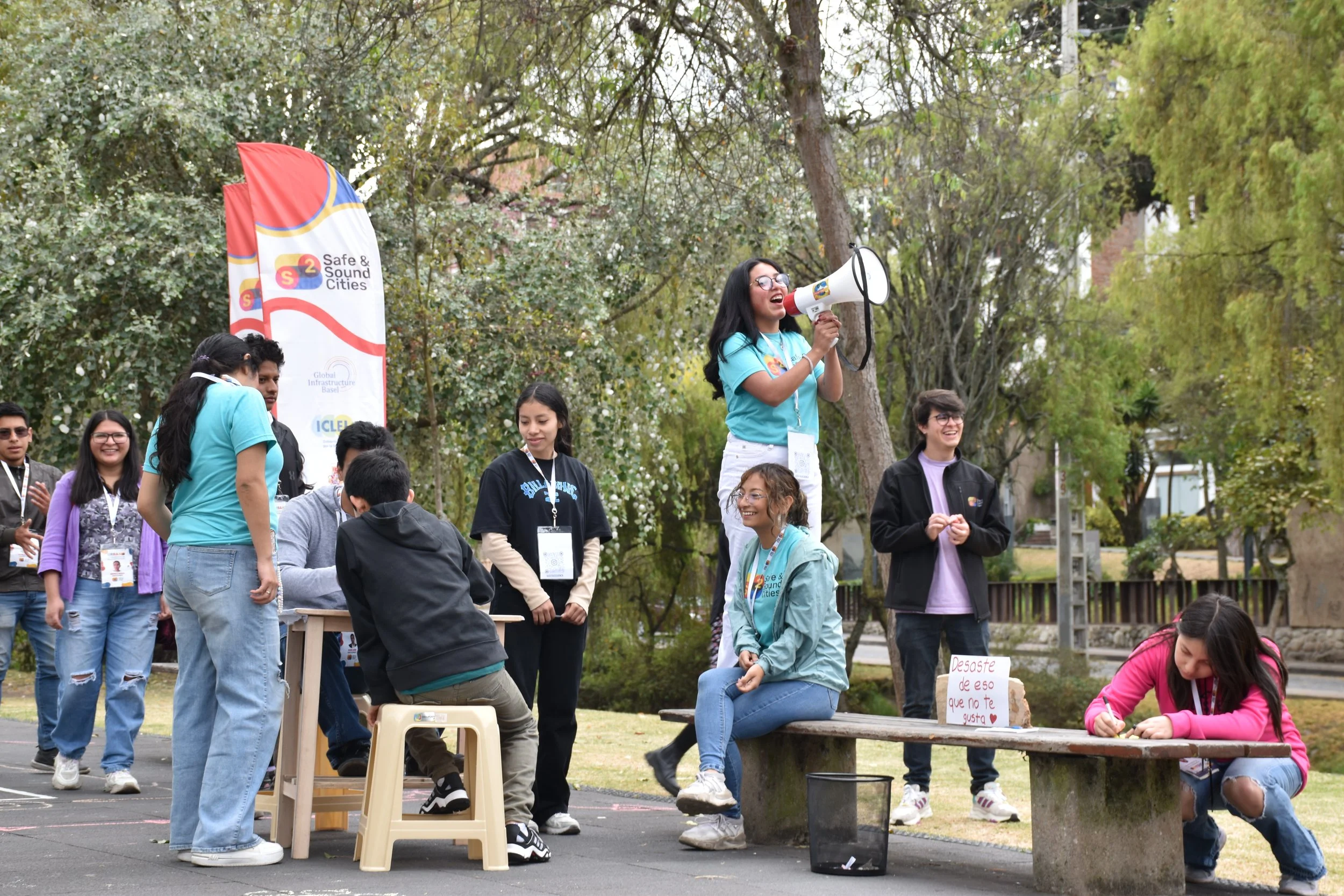
And in April, Bibliorío had an international visit! 5 students from Windesheim University (Netherlands) arrived to co-create, over 4 weeks, a Sustainability Action Plan that drives and transforms public spaces through reading, nature, and community.
The Windesheim team worked hand in hand with the young people linked to the S²Cities program and the Bibliorío volunteers, collecting information to keep the use of public spaces active. They conducted interviews, surveys, collaborative work sessions, and visits to the spaces intervened by the program.
Their Action Plan was organized into 7 areas: alignment of objectives, community, volunteering, social impact, administration and management, environmental impact, and resources.
The students who visited us were: Amanda Onofri, Tamara Heck, Jule Wormann, Julia Firedel, and Nora Stadlerand.
URBANO Public Servants
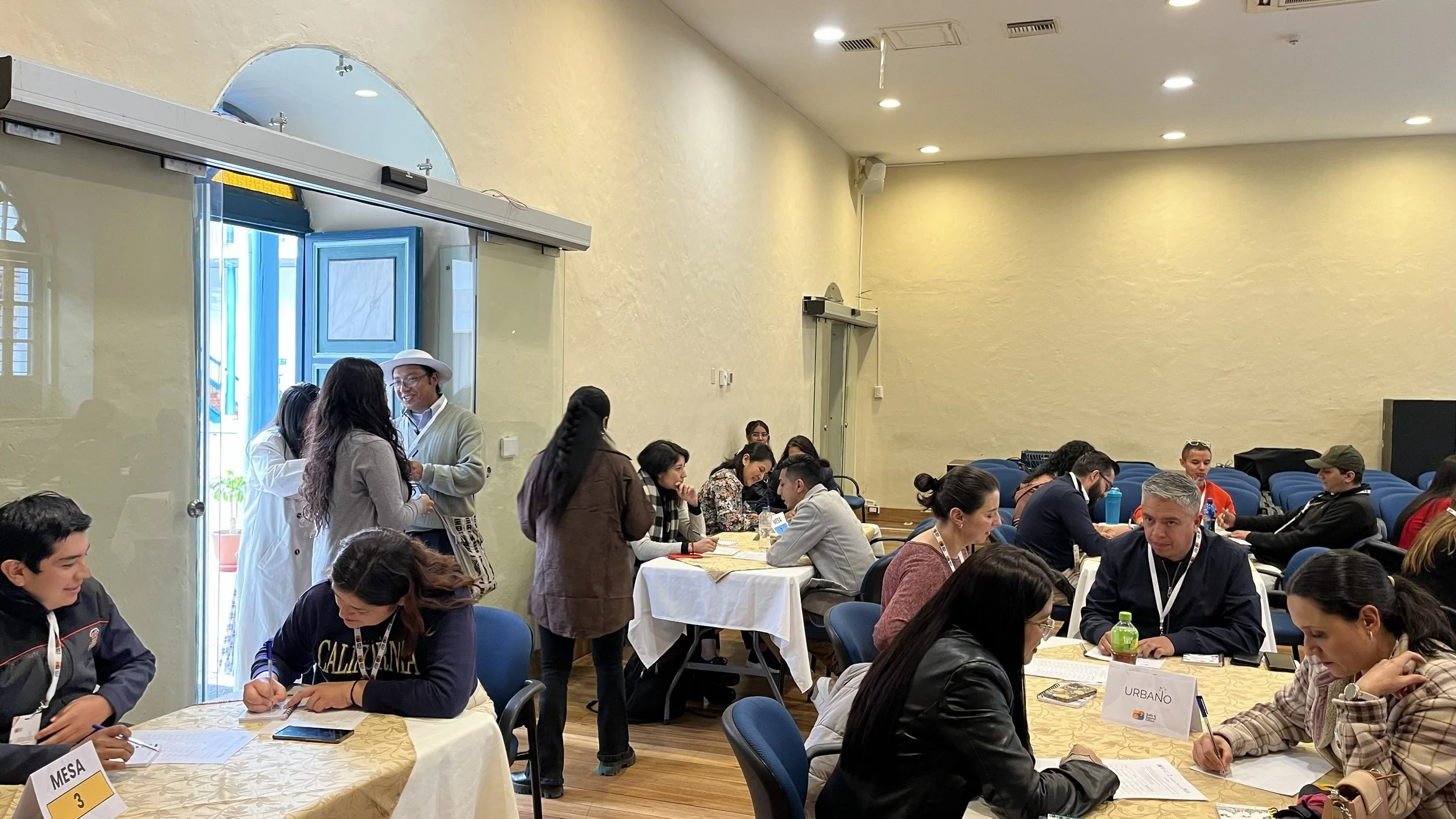
We brought placemaking to those who make decisions about the city. URBANO Public Officials of the GAD of the Municipality of Cuenca was a training and practical process aimed at public servants of the GAD of Cuenca, with a clear objective: to rethink the use of public space, include young people in urban planning, and develop skills in participation, communication, and collaborative work, applying participatory placemaking methodologies.
Throughout the process, combining theory, critical analysis, and hands-on co-creation exercises, we worked on three major topics:
Conceptual construction: common theoretical foundations, an introduction to placemaking, and critical reflection on the state of public space in Cuenca.
Analysis and intervention tools: identification of urban issues, case analysis, and practical tools for intervening in public space.
Co-creation and application: in groups, participants developed proposals applying what they had learned, closing with presentations and a collective reflection.
Results
Active participation of 26 technical staff distributed across 5 thematic tables, from 20 municipal departments.
A high level of institutional commitment.
90.9% of participants concluded that small, low-cost interventions can mitigate safety risks more immediately than large infrastructure works.
URBANO PALOOZA: the 2025 that filled our hearts
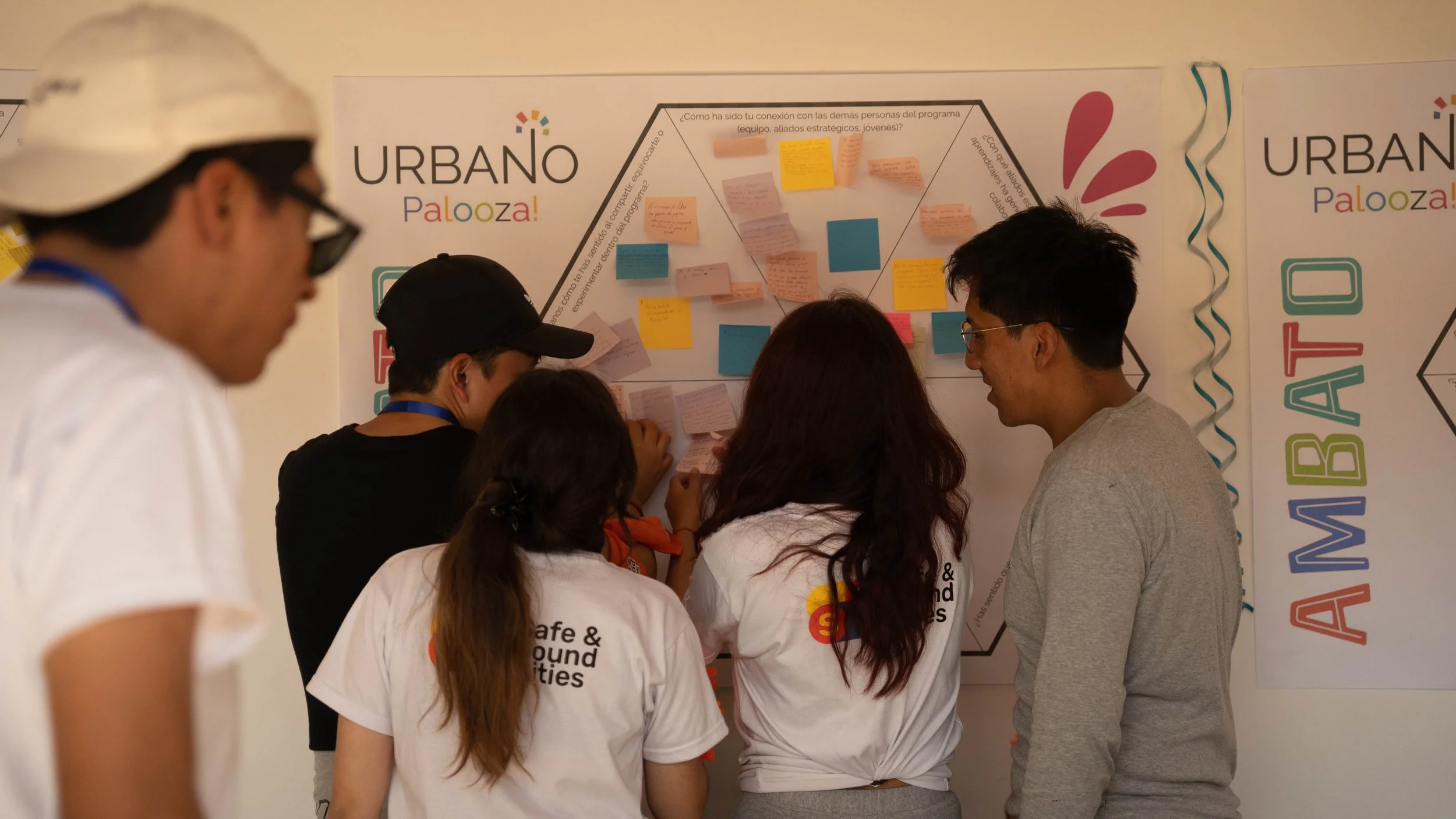
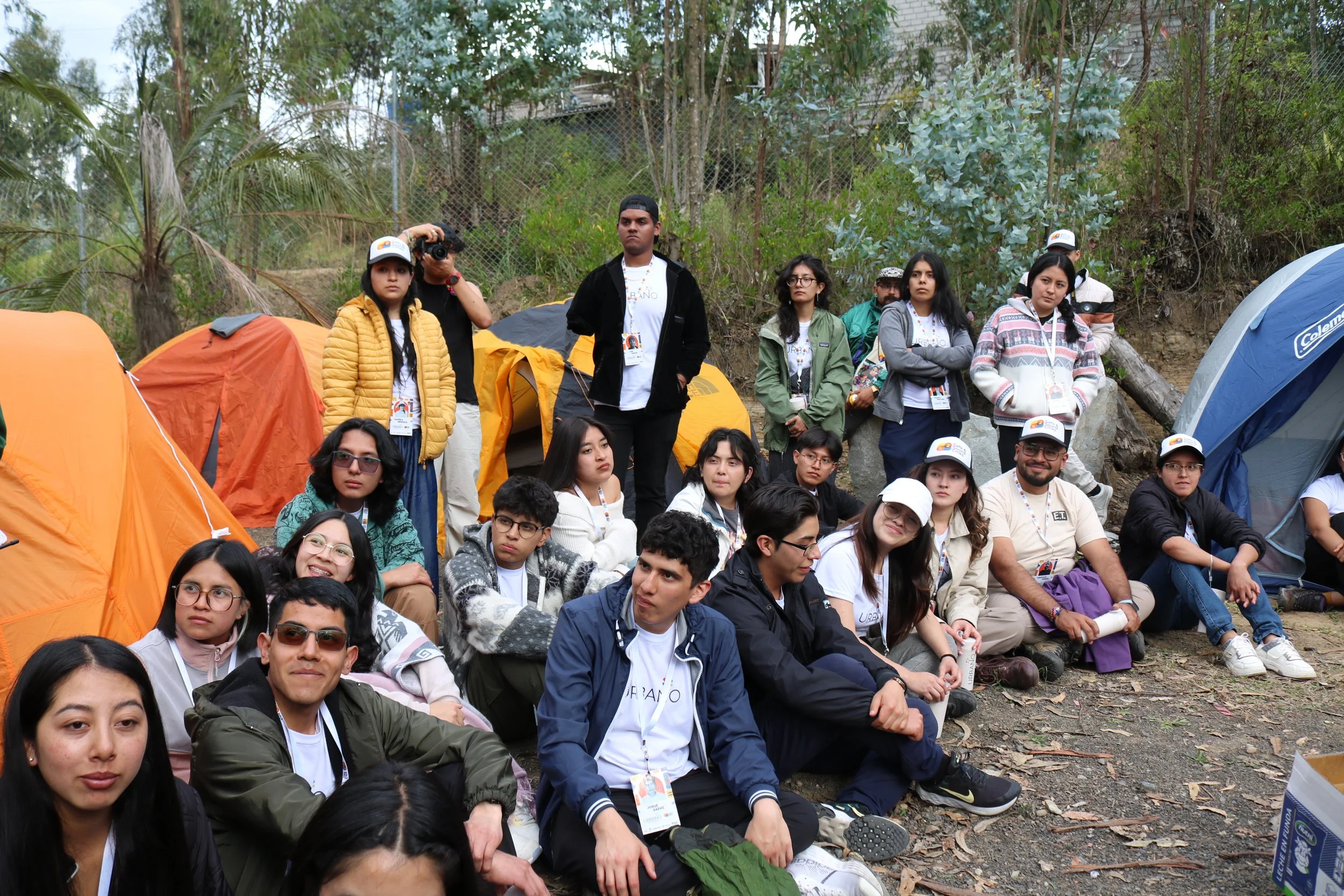
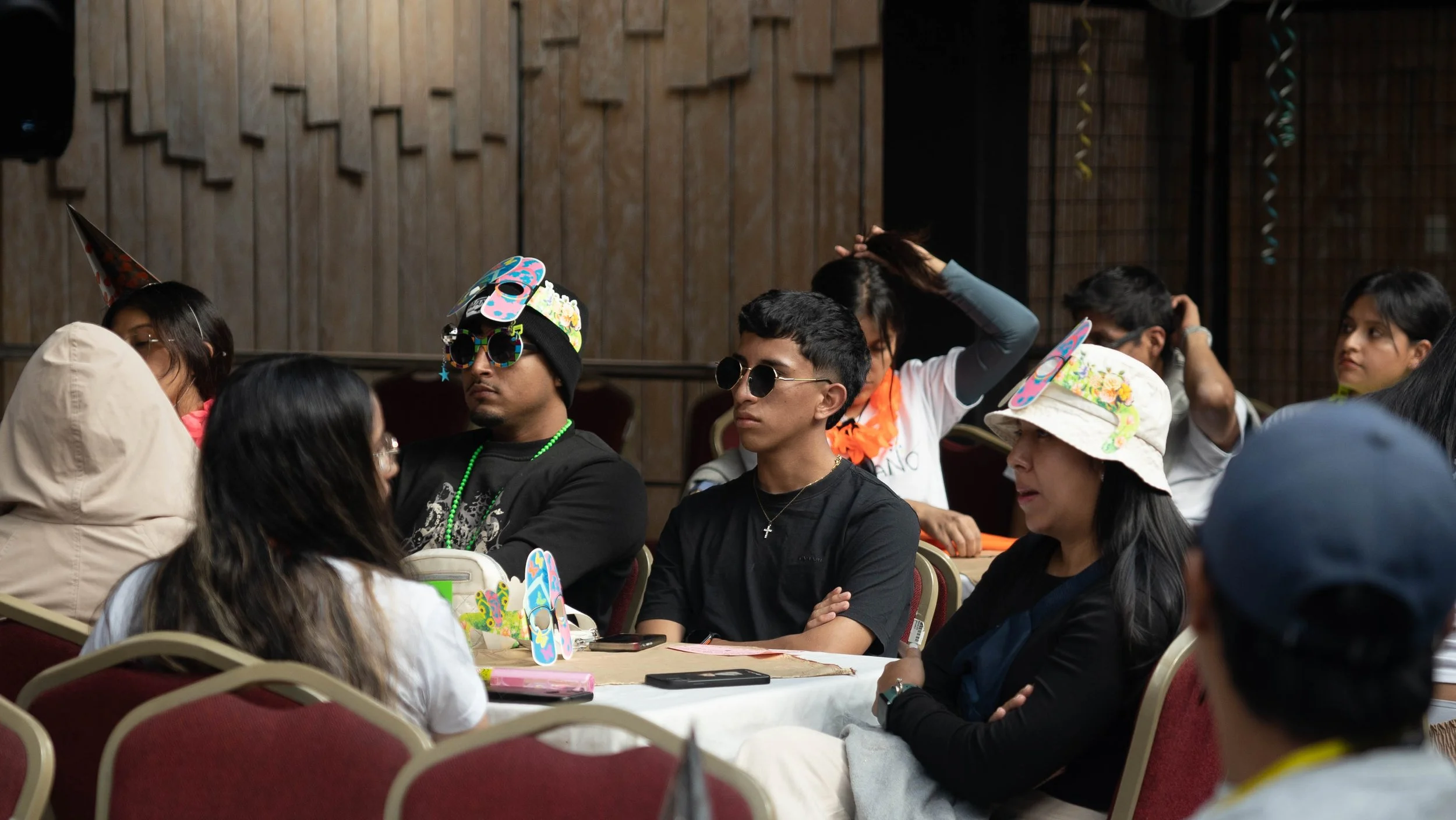
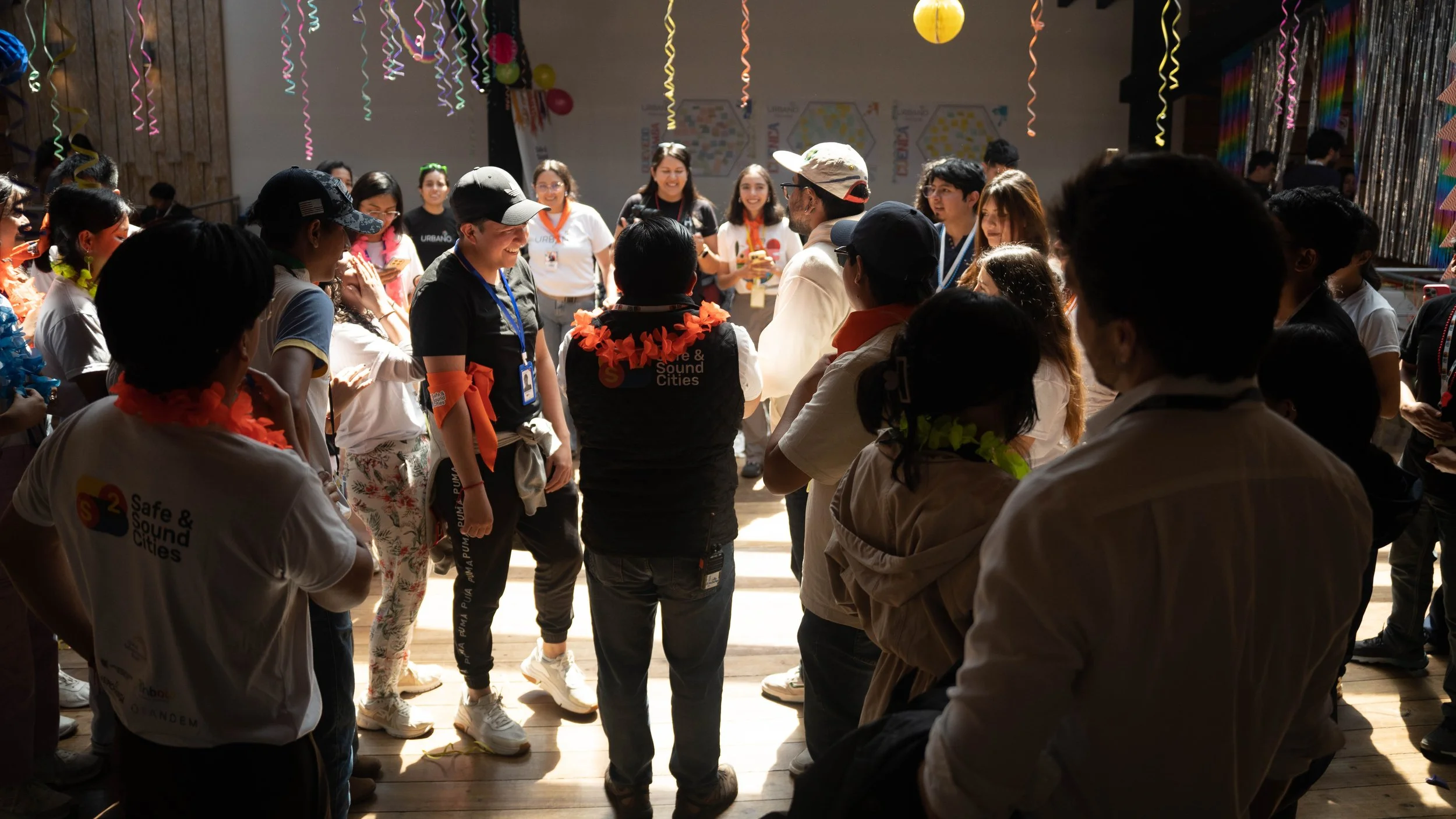
And 2025 filled our hearts! URBANO Palooza was a gathering of collective reflection that brought together +70 young people from 6 cities (Cuenca, Ambato, Quito, Riobamba, Quevedo, and Crucita). We shared collective learnings and experienced a community youth campout at AMARU.
In Cuenca, the event took place as a participatory space to evaluate the process, the progress, and the results of the S²Cities program in Ecuador. Participants shared perceptions, learnings, and challenges around six key dimensions:
Connections and coordination: what the relationship between the program's actors has been like, identifying levels of collaboration, trust, and networking.
Learnings generated: participants reflected on the knowledge and capacities acquired, especially in youth leadership, community work, and the activation of public space.
Program support and containment: we evaluated the support provided by S²Cities, recognizing strengths and opportunities for improvement.
Observed changes: we identified personal, community, and urban transformations since the start of the program.
Challenges of the process: we talked about the obstacles faced and how they have been managed.
Sense of belonging and experience: we gathered perceptions about the overall experience within the program.
Welcome to URBANO
STEP 3: FOSTER INNOVATION
From ideas to reality
Here you'll see the projects that were born from youth creativity and today transform Cuenca, along with the events that took our voices from the neighborhood to the world.
Projects that are reality today
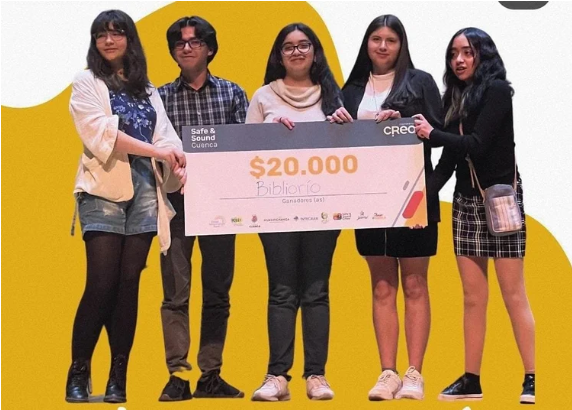
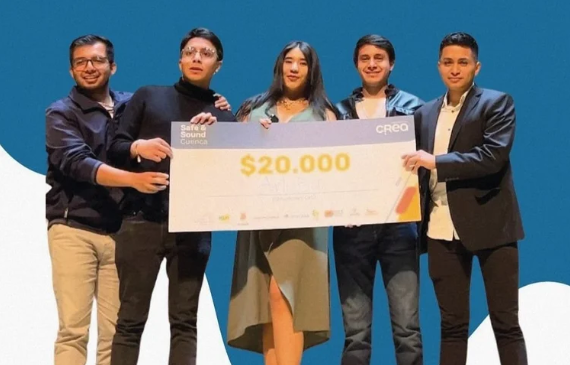
After completing the first phase's mentorship program, the teams presented their pitches before a jury, and two projects were the winners: Bibliorío and Arteria. Each one received a grant of $20,000 USD to come to life and transform the city.
BIBLIORÍO
Navigating Stories
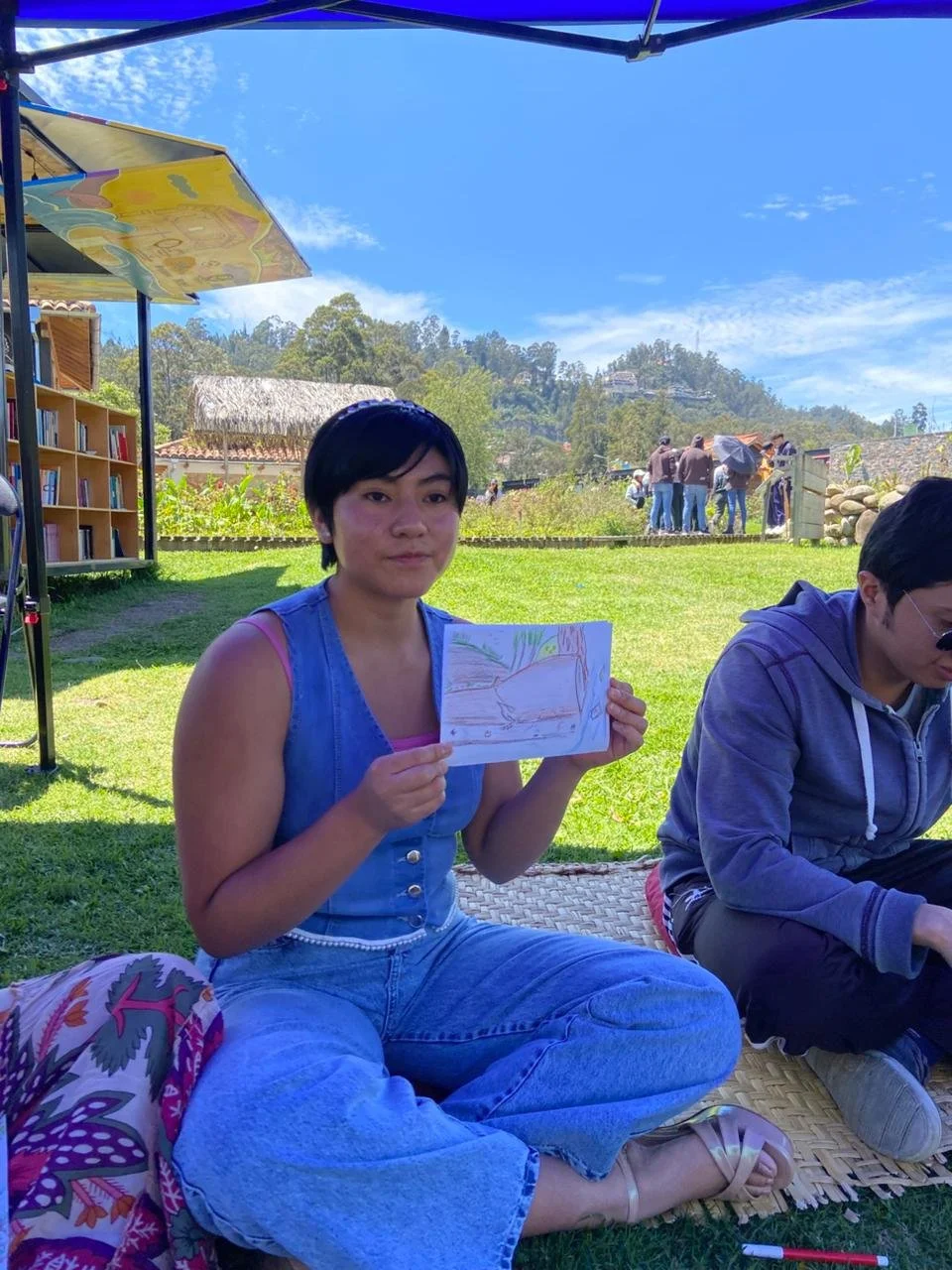
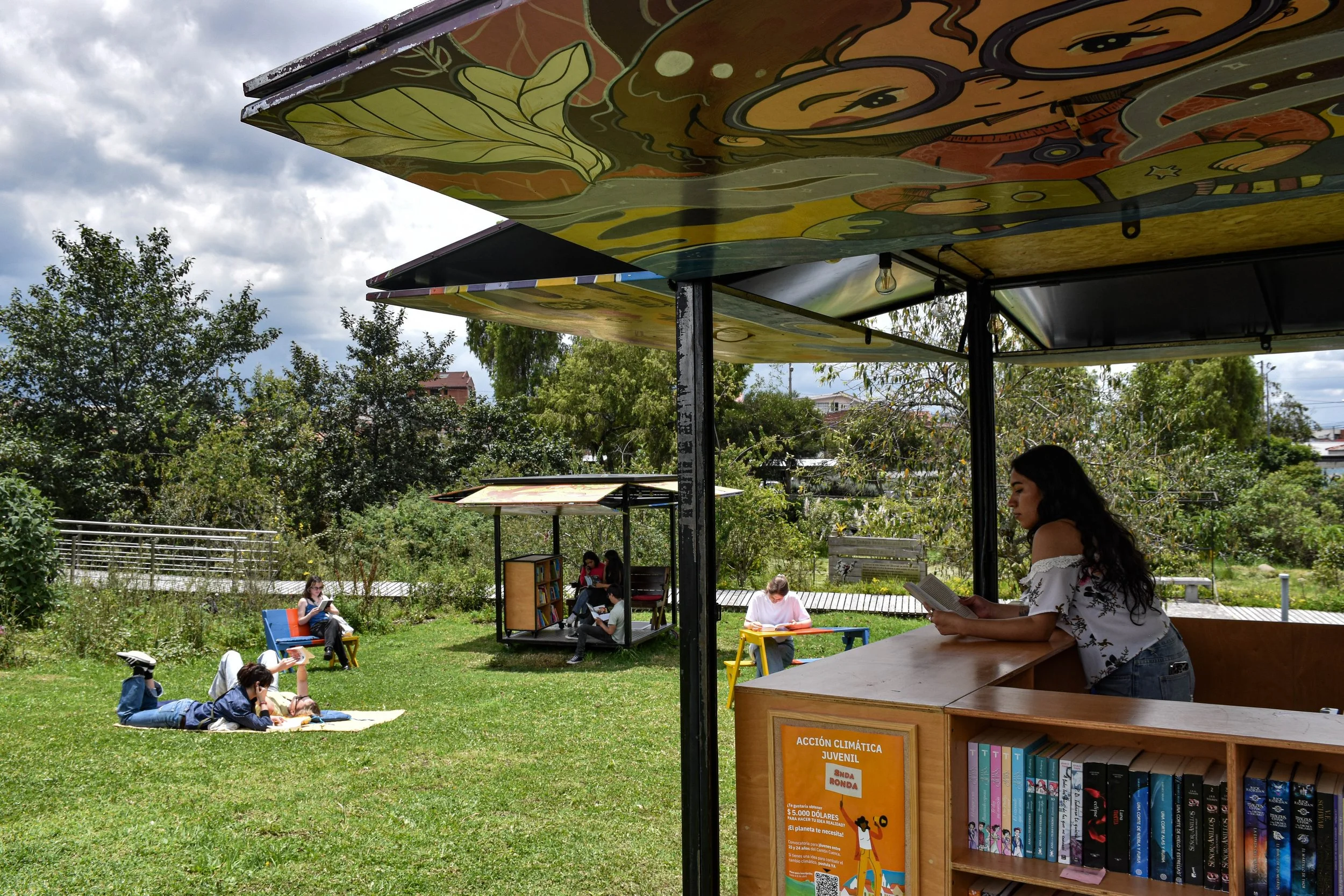
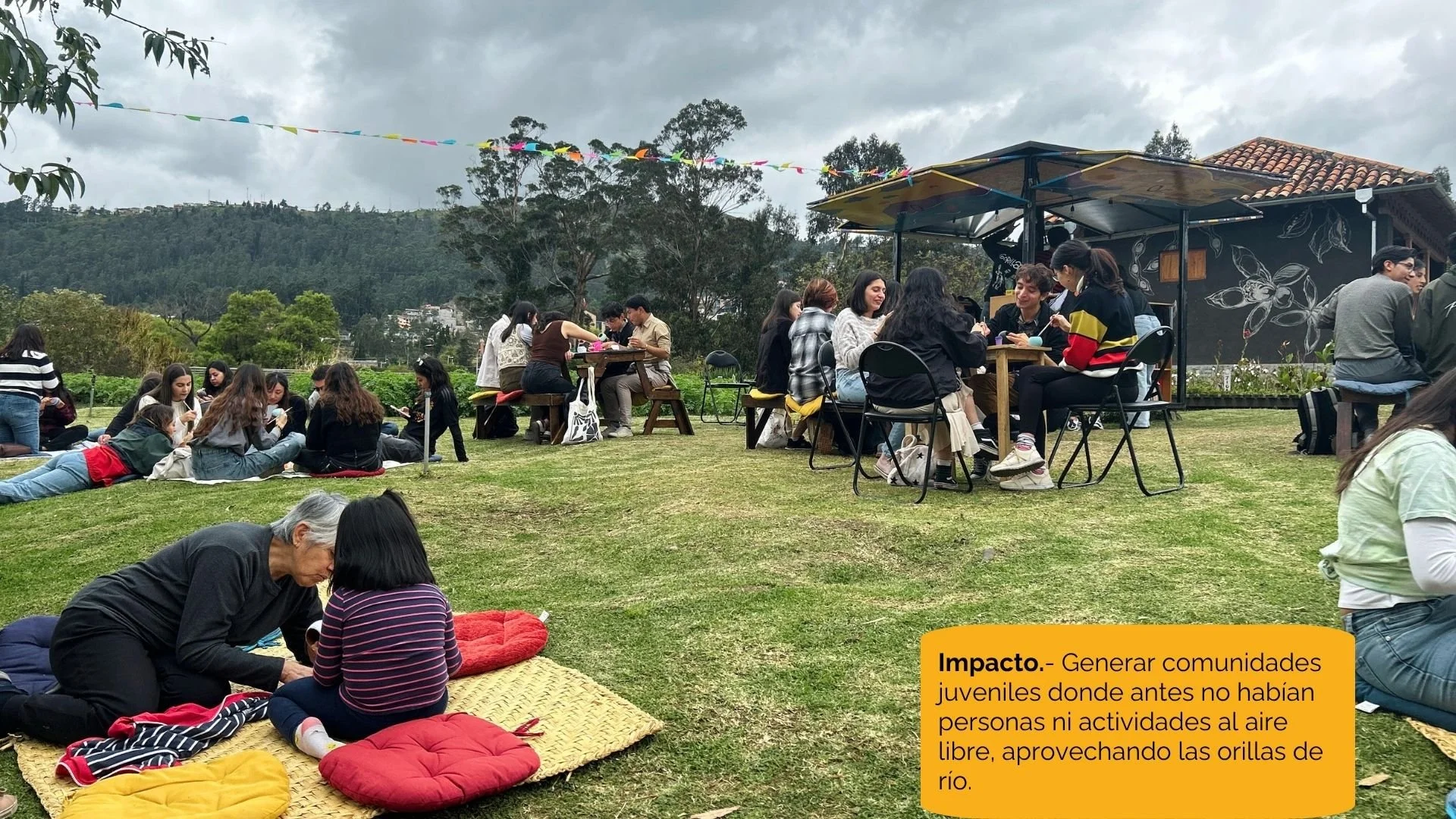
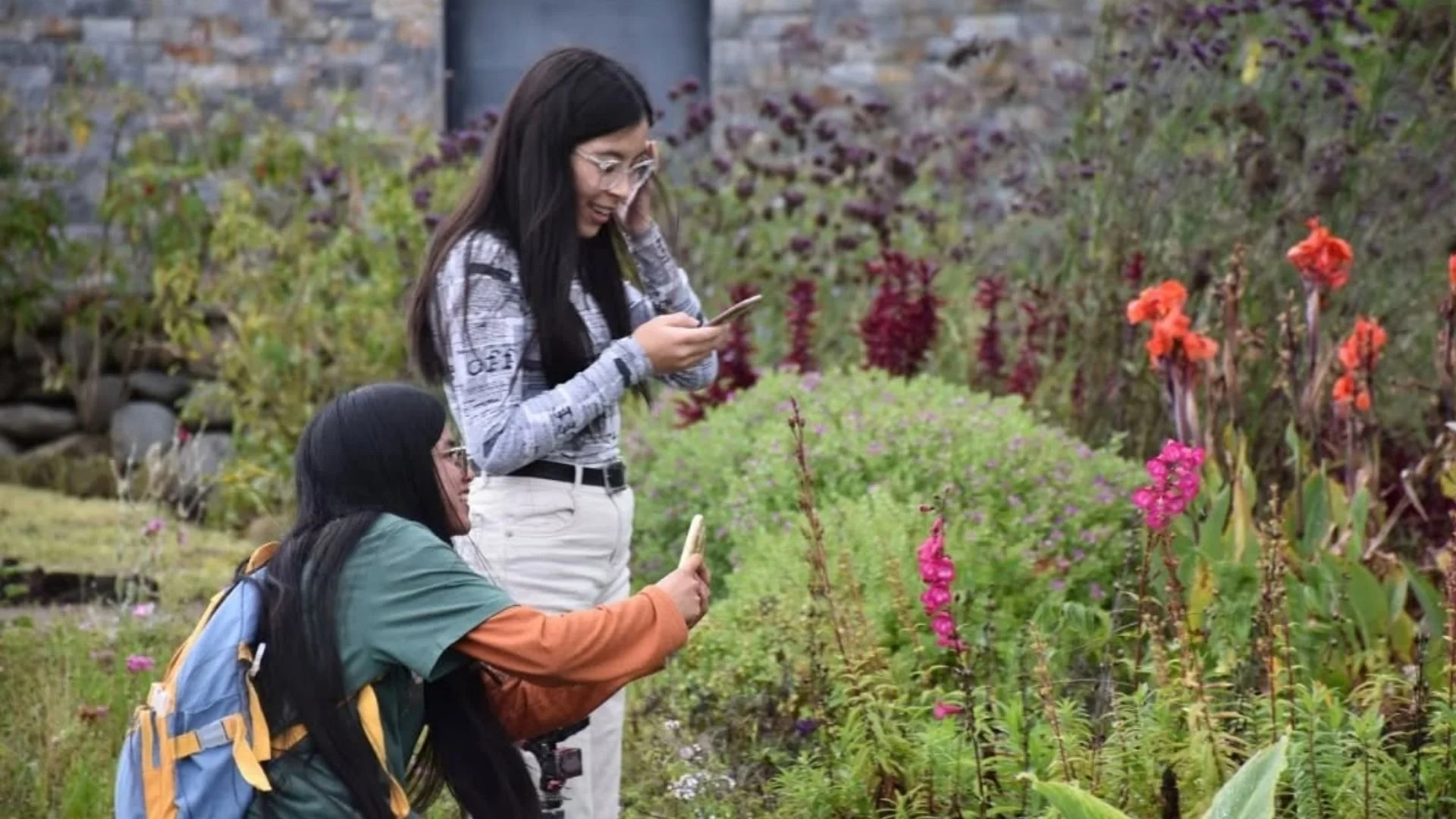
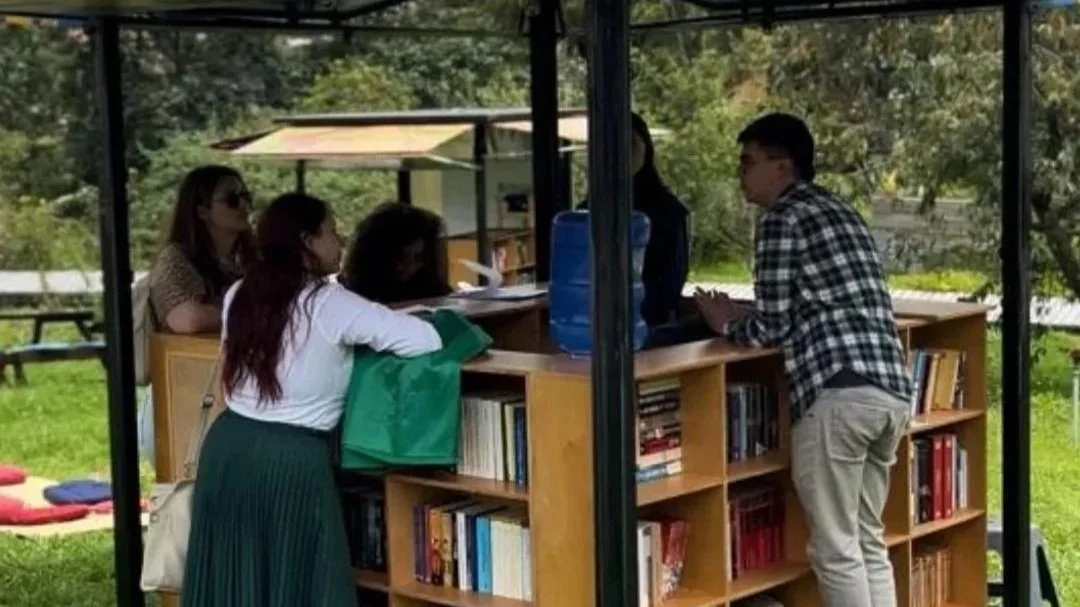
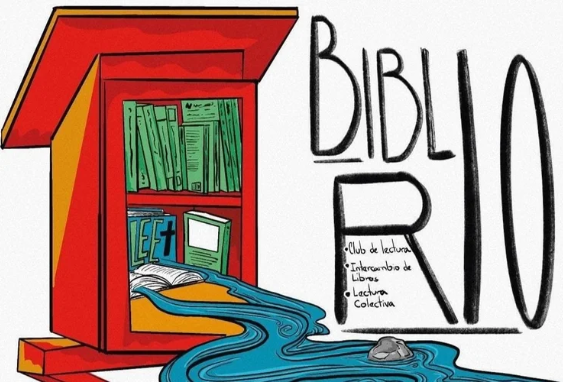
Bibliorío: Navigating Stories is an initiative that offers a safe outdoor space for children, young people, and adults to enjoy activities related to literature and nature. Located in the Botanical Garden of Cuenca, the project aims to encourage reading and strengthen the community's connection with the environment. Visitors can access a variety of books and take part in cultural and educational activities in a natural setting.
Implementation team: Daniela Cuadrado, Nicolás Cedillo, María Elisa García, Ariana Dután, and Ana Rockwood. Led by Martín Pesántez.
Implementation Site:Calle Paseo Río Tarqui, Cuenca (inside the Botanical Garden)
Current space coordinators:
Alexander Herrera
Fernanda Asitimbay
Gabriela Álvarez
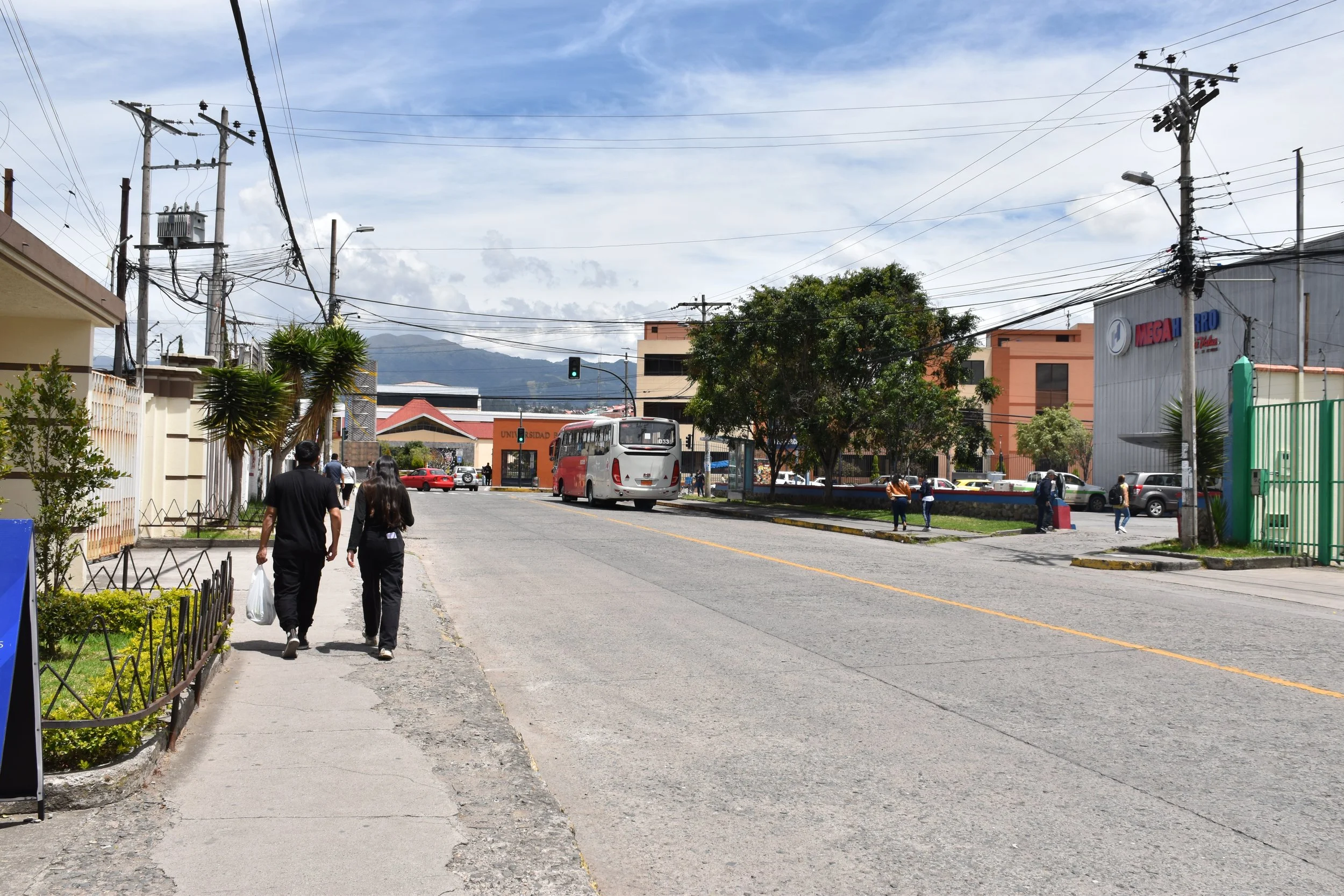
BEFORE / NOW
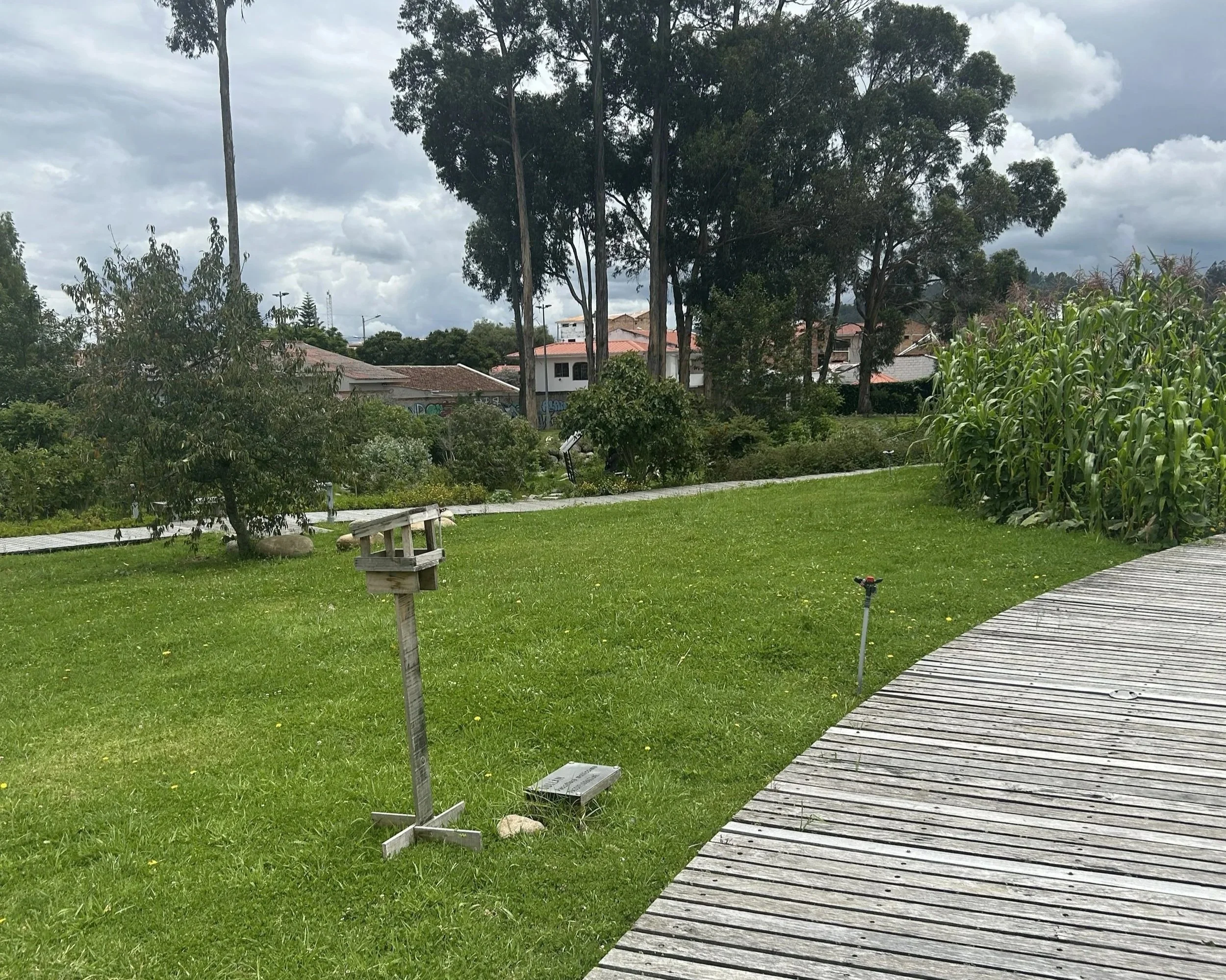
Before: We had a green space near the riverbank, lacking outdoor activities.
+400
Readers at Bibliorío
BEFORE / NOW
+4000
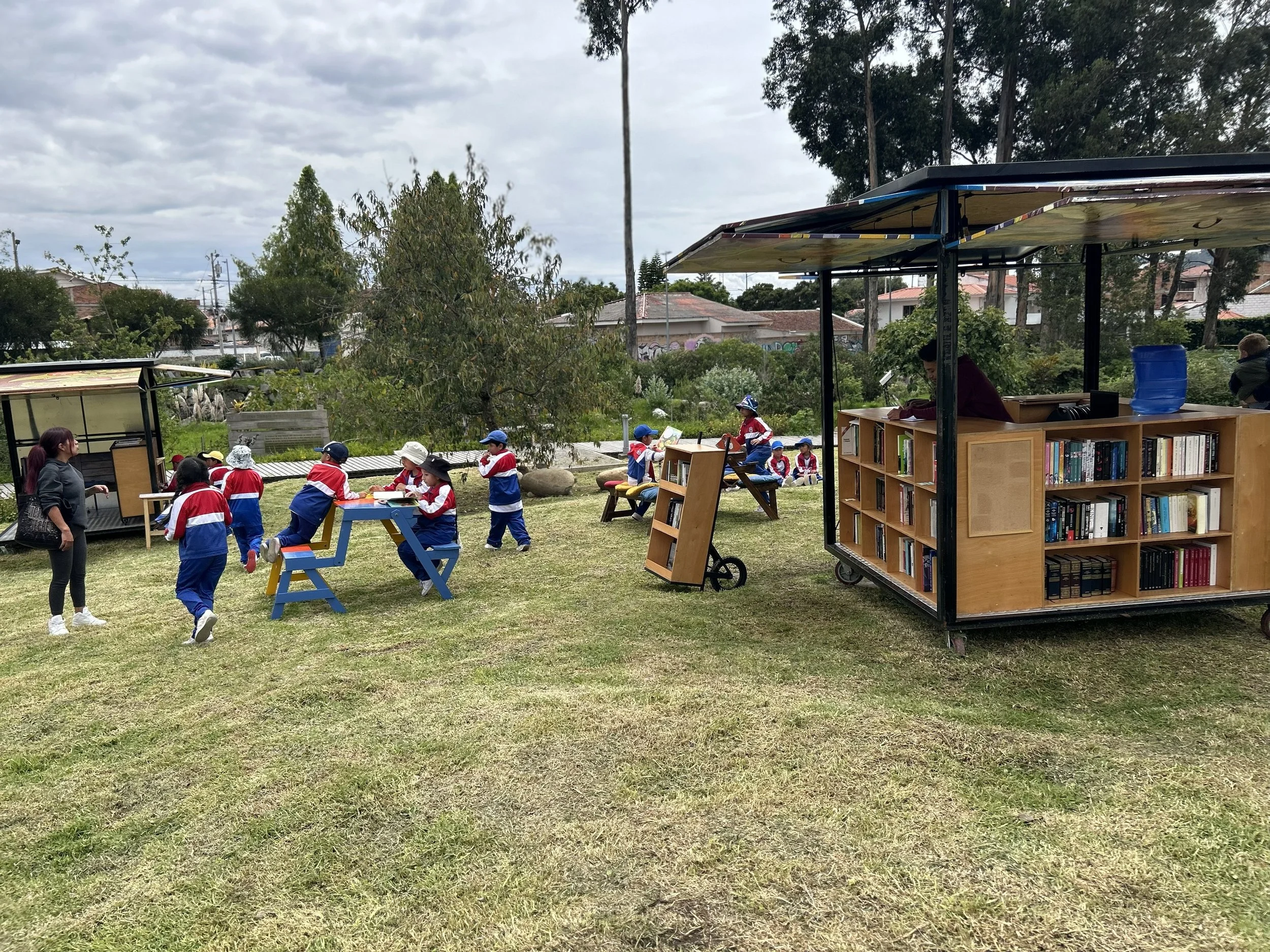
Now: it establishes a meeting point for young people who want to enjoy nature in community.
32
Average minutes of reading
Experiences
+60
Volunteers across the 5 editions
Volunteering
The heart of this project is its volunteers. Throughout the program, we have trained 5 generations of volunteers, in a space of learning, coexistence, and personal growth, each one with its respective graduation.
Over 4 months, the young people certified 72 hours (64 of practice and 8 of learning), with 8-hour sessions per week. During that time, they developed perception surveys, counts for research, informational book cards, interactive spaces with placemaking strategies, and educational activities.
They arrived with expectations ranging from learning about literature and reading more, to developing social skills and having a space of peace and safety. During the process, they strengthened capacities in organization, innovation, planning, punctuality, communication, active listening, confidence, and responsibility.
Volunteering 1.0 - Phase 1
21 young people
53% indicated that volunteering influenced their self-esteem
72% said it allowed them to discover aspects of the city they didn't know before
81% reported feeling safer in their city
Volunteering 3.0 - Phase 2
20 young people
70% indicated that volunteering helped them heal an inner conflict
85% said it allowed them to discover personal aspects they didn't know before
90% reported feeling safer in the city
99% noted that it allowed them to make new friends
Volunteering 5.0
We keep growing! This new generation is in development.
pedestrians benefited
+75%
ARTERIA
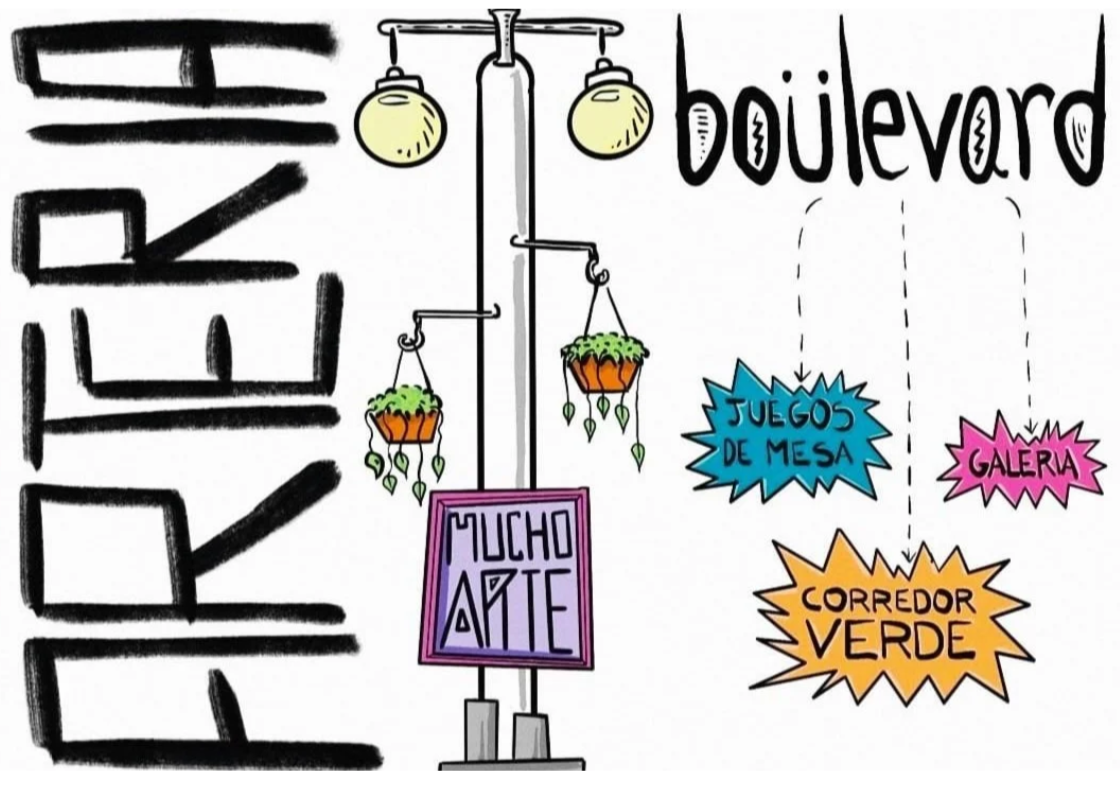
A corridor that connects and transforms
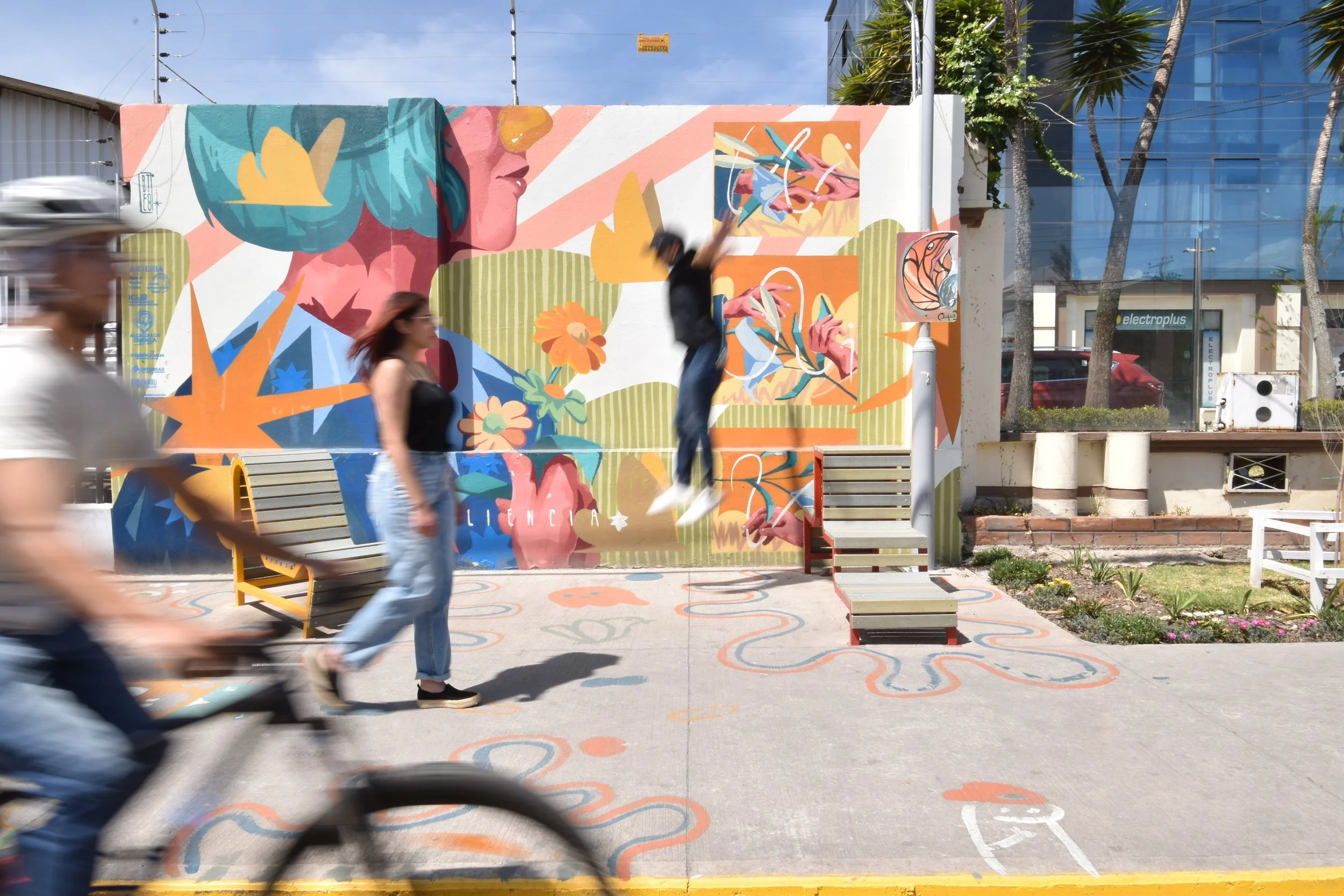
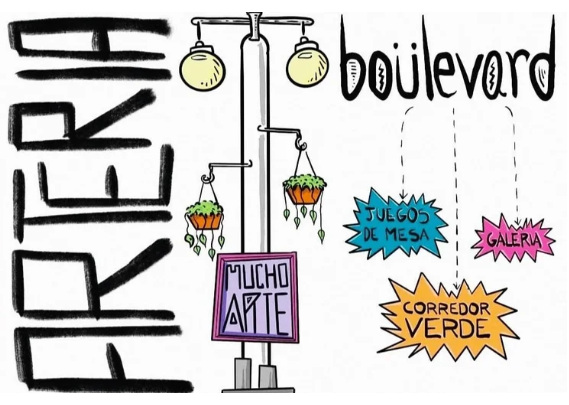
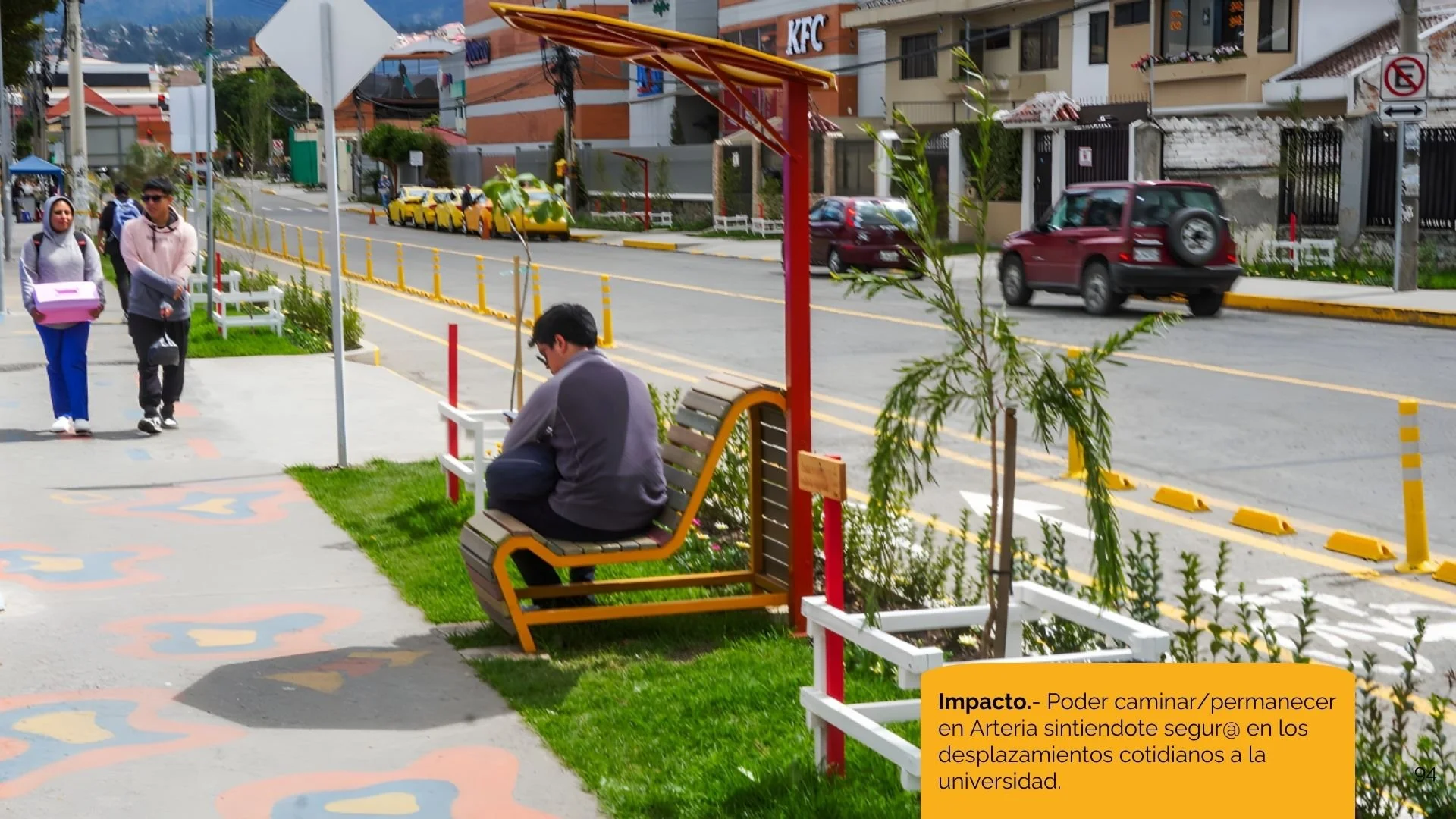
Arteria seeks to improve safety and accessibility on Av. Elia Liut through artistic intervention and youth participation. Its main focus is to transform pedestrian mobility into a safe and attractive experience, especially for the students who pass through the area daily. The intervention focuses on an area of high student traffic. Through the creation of a safe and dynamic corridor, the use of public space is encouraged and the perception of safety in the area is improved.
Implementation team: Paula Quintuña, Jeremy Litardo, Eduardo Carpio, and Fabricio Cáceres. Led by Cristina Durán.
Implementation site:Av. Elia Liut, Gil Ramírez Dávalos (intersection), and Av. España (tram crossing)
Before: We had a sidewalk in poor condition, without appropriate green spaces, exposing young people to vehicle traffic and its risks.
feel safer
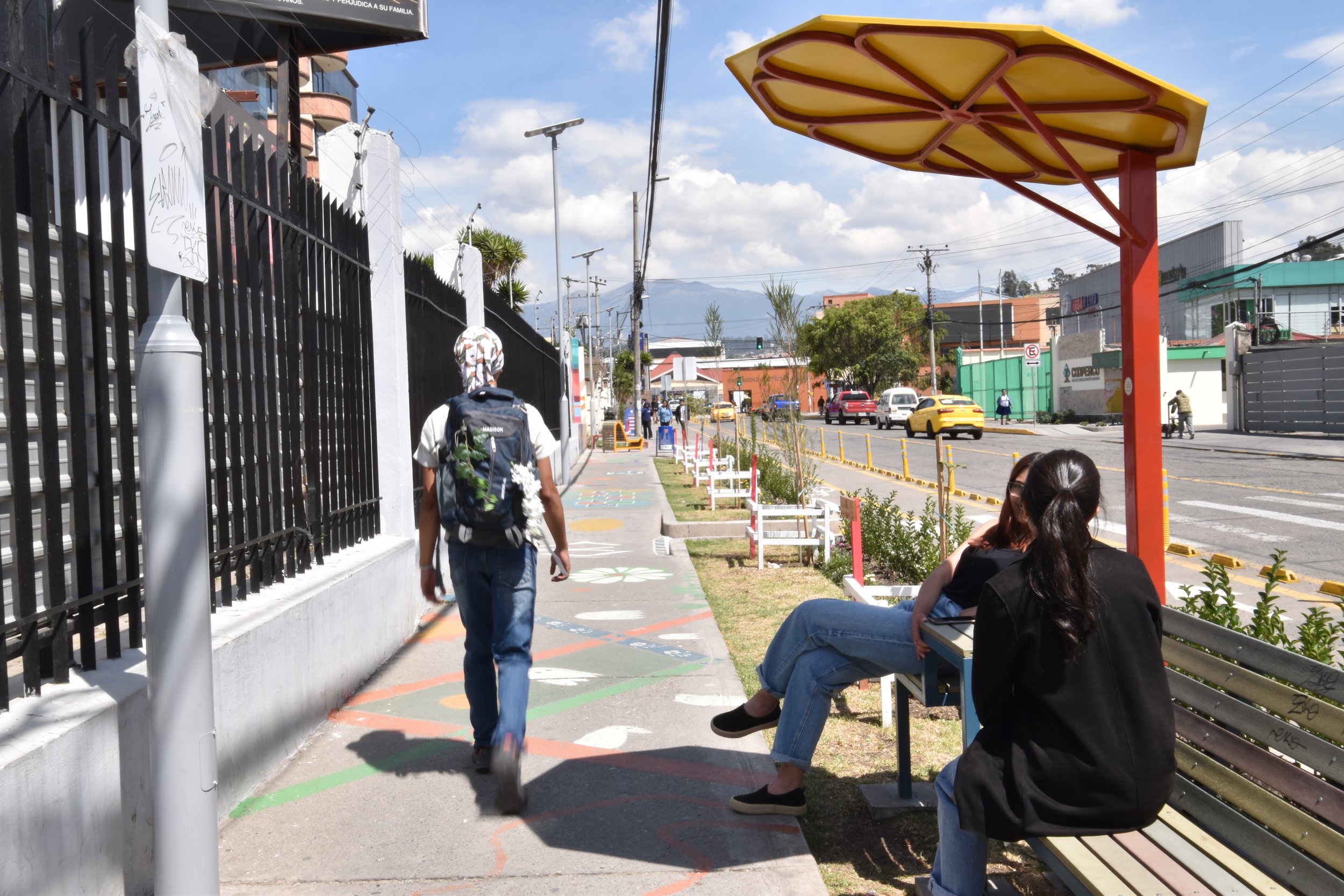
Now: it is a green axis that allows passersby, especially young students, to walk safely, being able to rest, play, and explore.
5 a 10
average minutes of stay
+38%
of people travel by bicycle
Featured Events
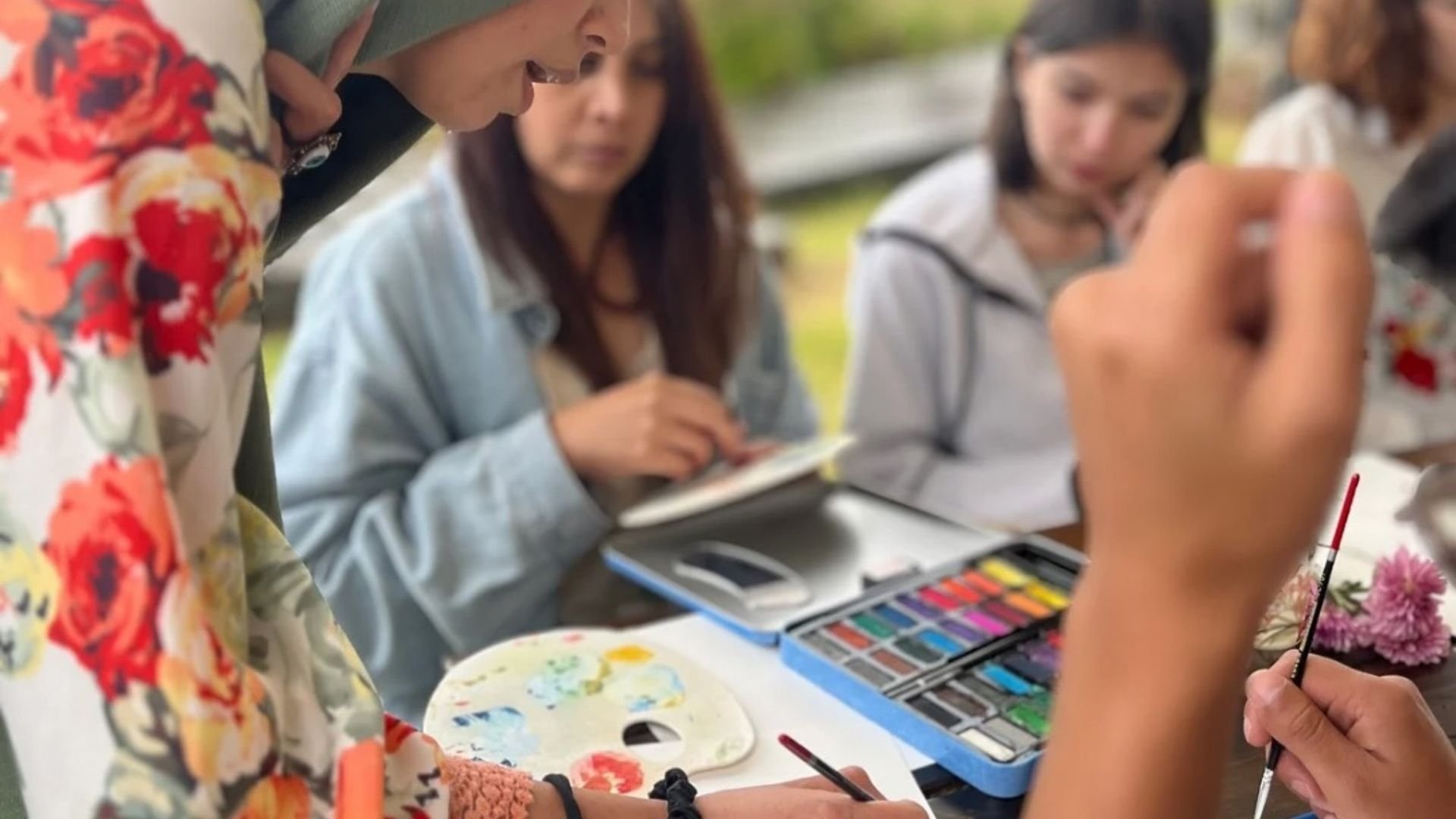
EAFIT Visit
We had a visit from Estefany and Salomé from EAFIT University to verify the functioning of the projects; they conducted interviews with stakeholders.
Living Spaces: We traveled to Colombia!
4 young people from the community and the S²Cities Cuenca and Ambato team traveled to Colombia to learn about other urban projects, share experiences and learnings, and be ambassadors of the projects developed in Ecuador. We brought good urban practices back from Medellín and Envigado.
Collective learnings:
New experiences shared with the Urbano Escuela team.
Joint reflections and learnings about the impact of the projects on the youth communities of Cuenca and Ambato.
Closer relationships between stakeholders, local collectives, and the program's young people.
Re-inauguration of Bibliorío
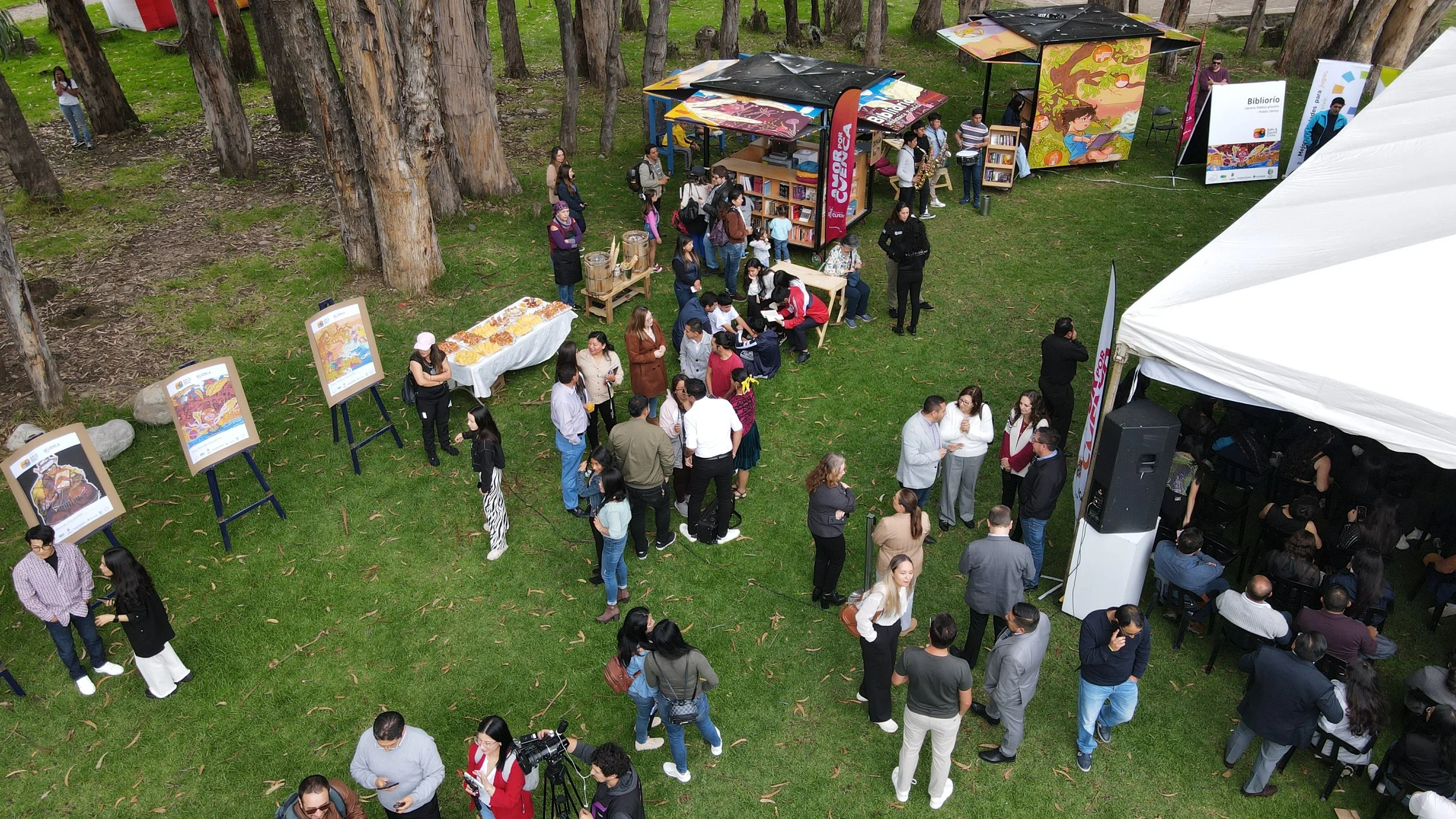
On Wednesday, March 12, the re-inauguration of Bibliorío took place at the Botanical Garden, attended by members of the Municipality of Cuenca, guest schools, and members of the S2Cities community.
Number of Attendees: 60 attendees
Institutions that attended: Alianza Francesa, Universidad del Azuay, Directorate of International Relations, Botanical Garden.
Healthy and Safe Cities
The Healthy and Safe Cities event took place from January 22 to 24, 2025, in Cuenca, bringing together young people, professionals, academia, and municipal representatives around placemaking as an approach to improving public space. It was a gathering with local and international experts, in which +150 people from Mexico, Colombia, Norway, the Netherlands, and Ecuador took part.
It was a theoretical-practical gathering that combined:
Training workshops.
Participatory tools.
Exchange of experiences between cities.
Cultural activities (including TEDx in public space).
The event placed emphasis on active learning, citizen participation, and urban experimentation.
Youth as a key actor: a high level of prior participation by young people in placemaking was evident, along with a strong interest in learning and acting on their environment.
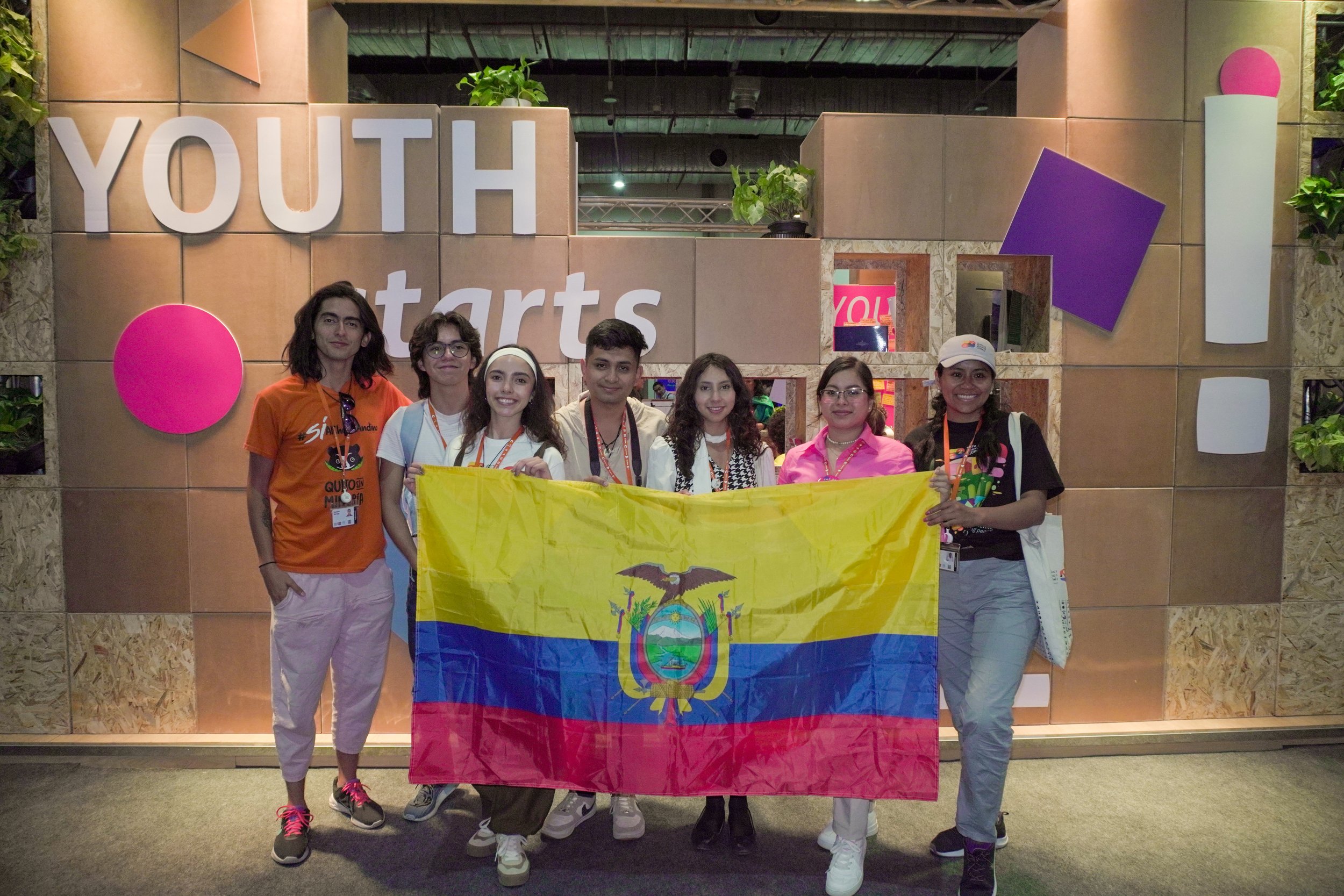
Get to know the experience through their eyes
We don't just want to tell you about it, we want you to live it. Explore the journey of our protagonists in their own narrative formats:
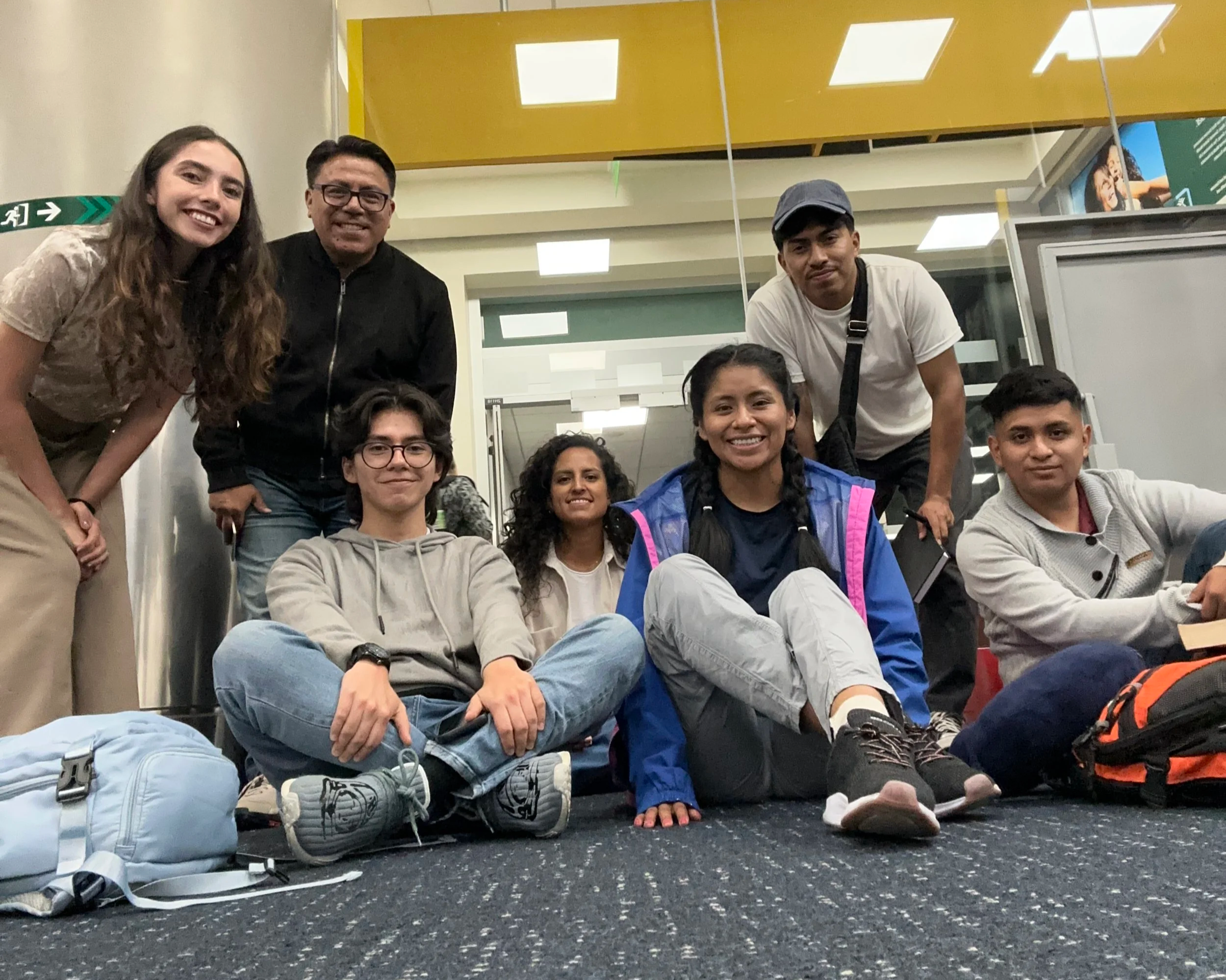
Live it too on our podcast We recorded three episodes telling the story of how this adventure was: from how the trip began, to youth leadership in action and the talks, laughs, and unforgettable moments of the WUF.
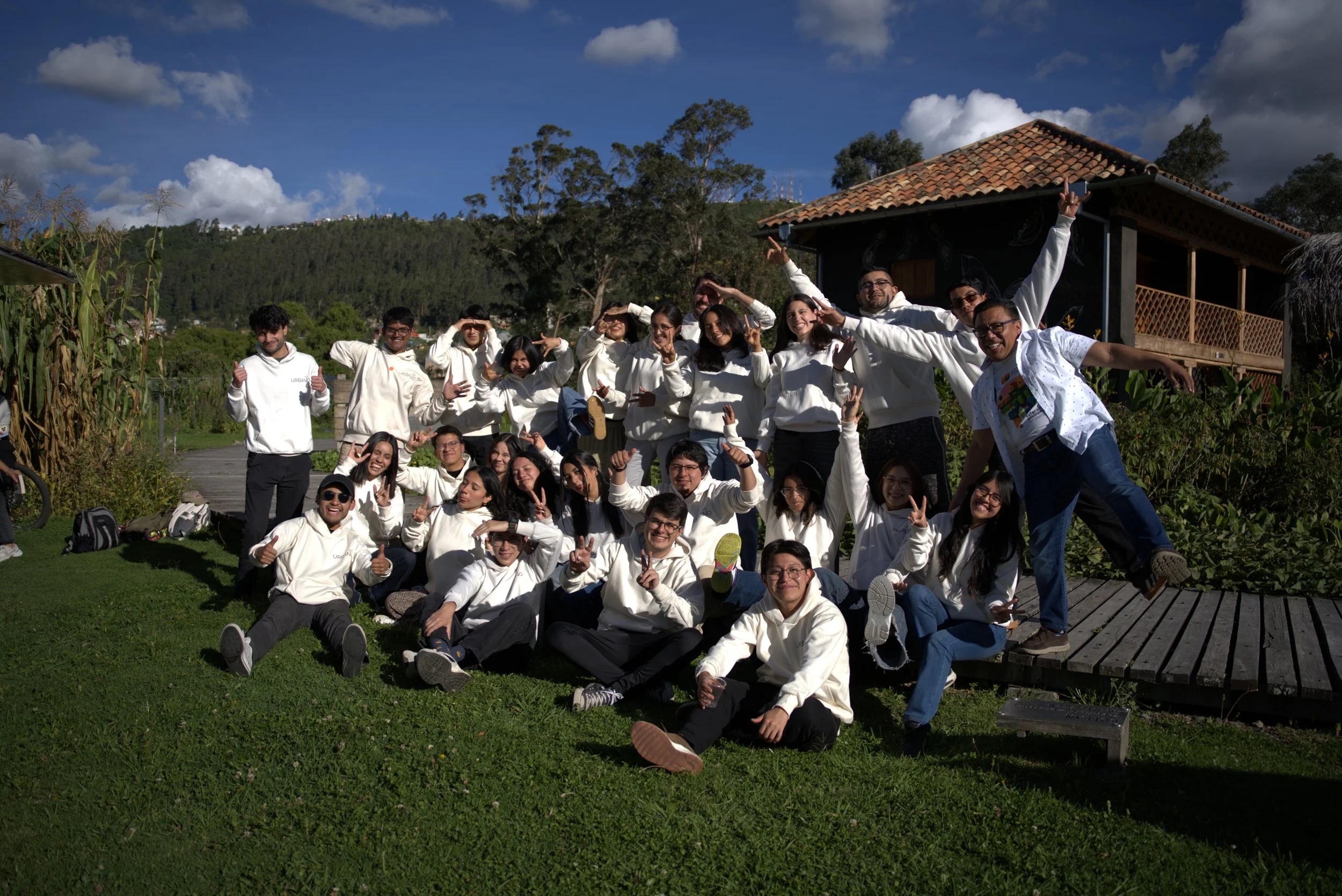
Members:
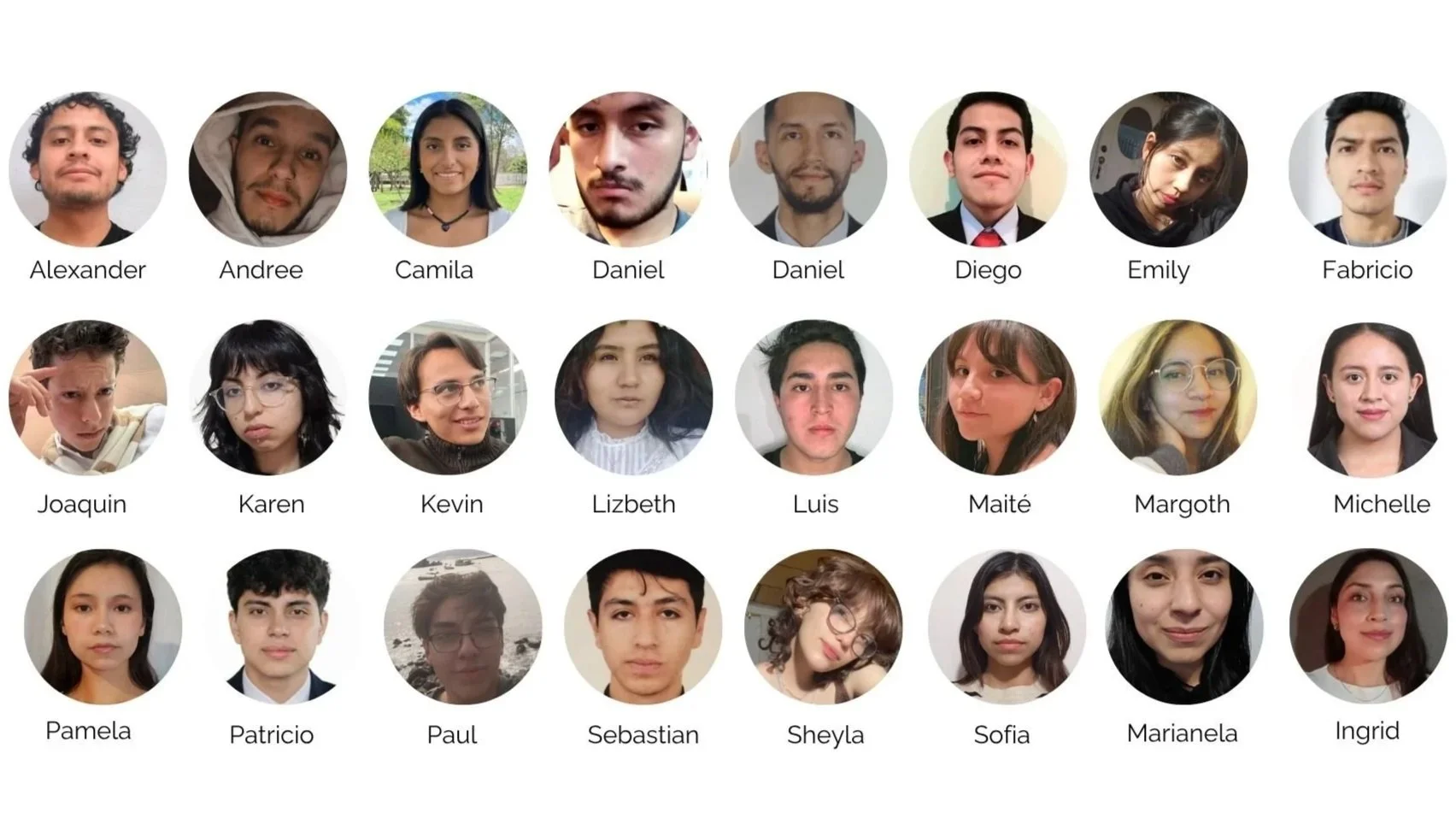
Ana Sofía Pauta Verdugo, Anahí Fernanda Asitimbay Elizalde, Danny Alexander Llivipuma Pañi, Daniela Romina Andrade Pastor, Diana Paola Lazo Vásquez, Diana Salomé Salcedo Estrella, Diego Marcelo Morocho Baculima, Emily Lizbeth Criollo Guapisaca, Erika Fernanda Albarracín Galarza, Fabián Alexander Tello Calle, Gabriela Doménica Cevallos Chicaiza, Galo Adrián Torres Merchán, Julio Esteban Díaz Torres, Karla Belén Bermeo Castillo, Leslie Jamileth Paredes Nacipucha, Luis Alexander Rodríguez Guamán, Luis Francisco Mieles Meza, Margoth Elizabeth Morocho Baculima, María Auxiliadora Muñoz Pulla, Mateo Sebastián Ramón Lazo, Milena Alejandra Cajamarca Guanuquiza, Oscar Fabián Lazo Saltos y Paul Mauricio Morejón López.
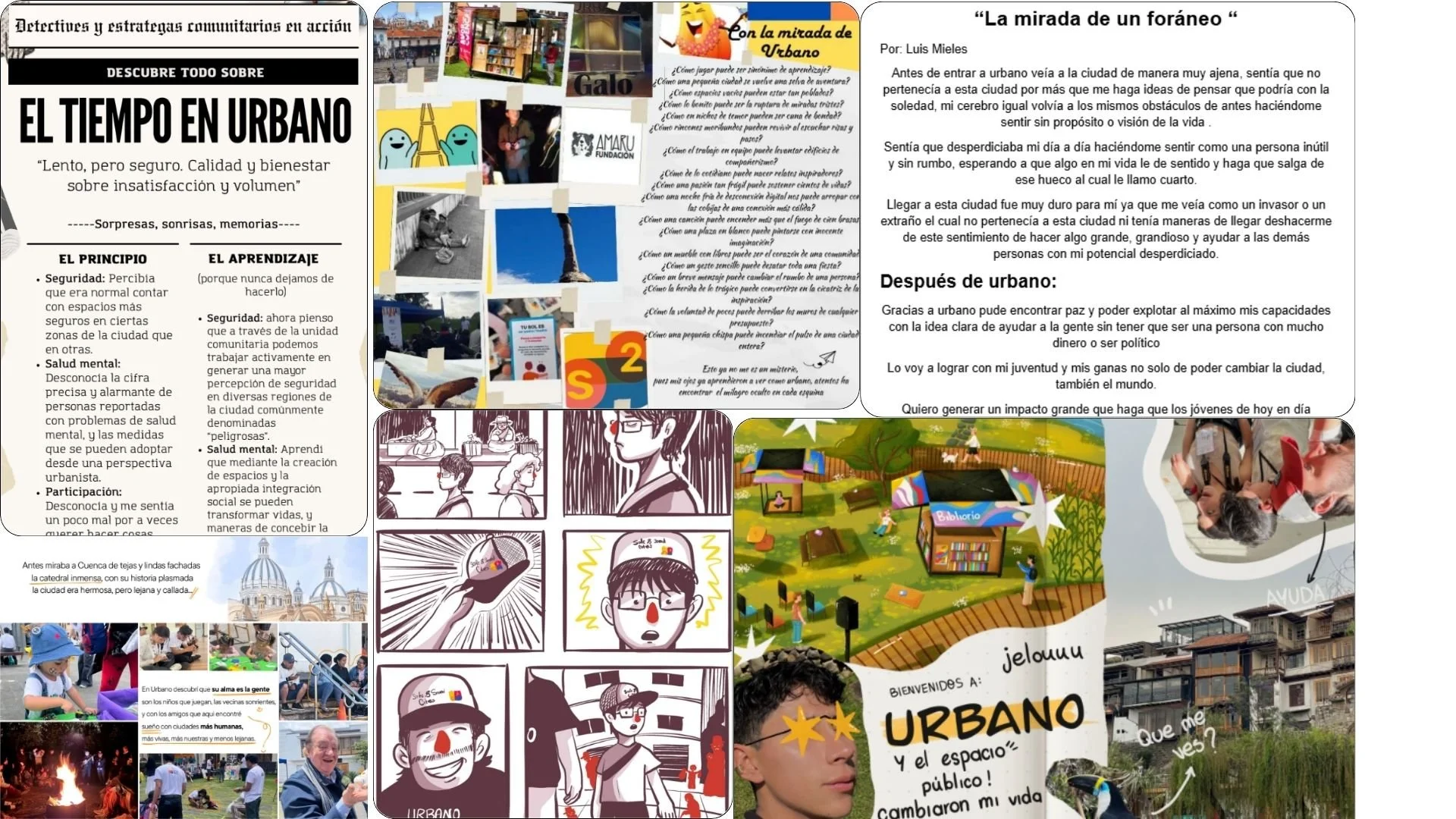
The Creative Challenge
The selection process for the School included creating a creative challenge in a zine format: a handmade, self-published, and independent publication, usually of small format.
This exercise was a key initial step: through it, applicants freely and creatively expressed their motivation, their ideas around placemaking, and their relationship with the city. Thus, the challenge not only made it possible to evaluate expressive and reflective abilities, but also to identify affinities, interests, and diverse perspectives on public space.
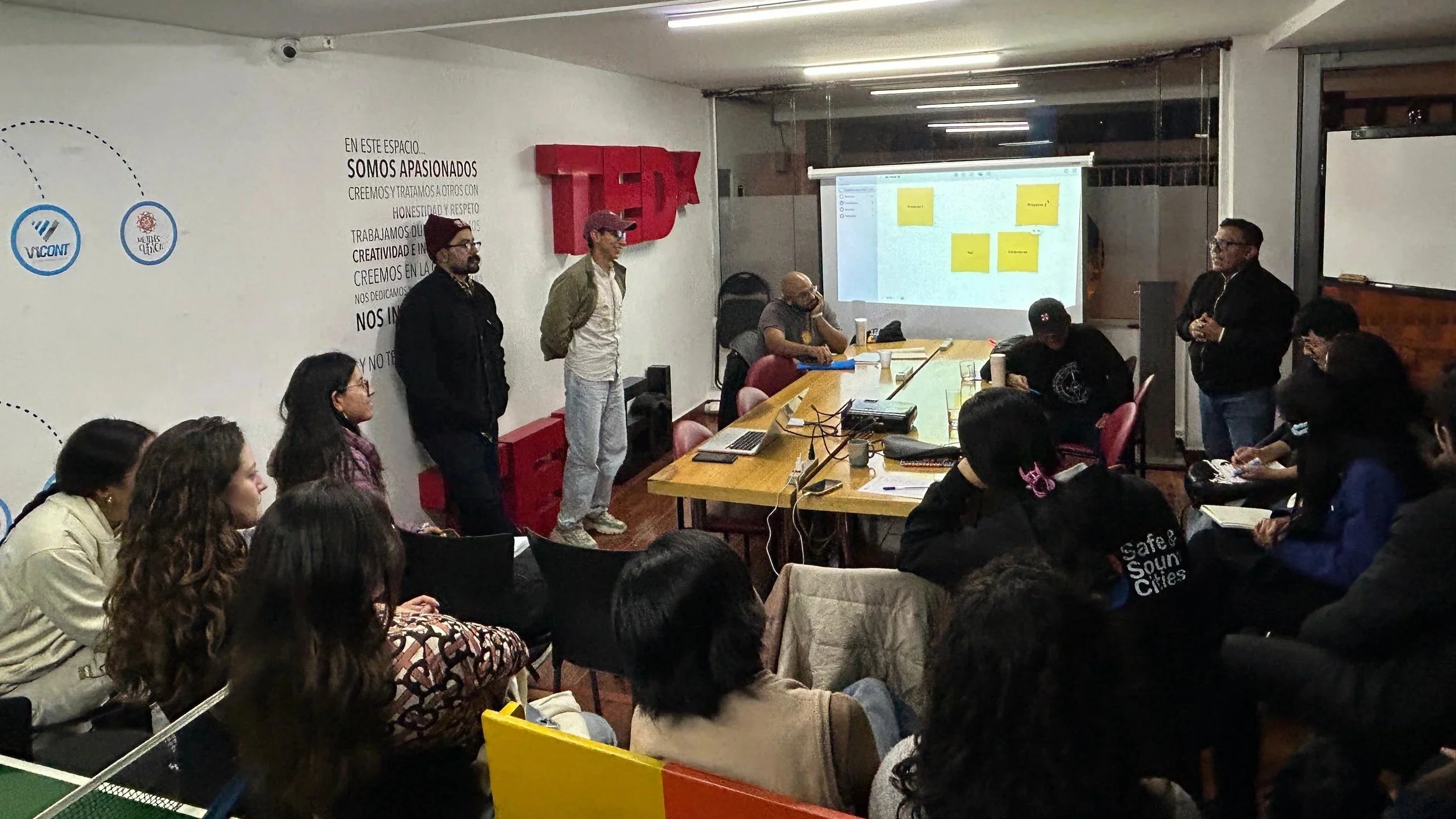
+200
Young people attended the activities
+25
Workshops held at Bibliorío
Volunteering 2.0 - Phase 1
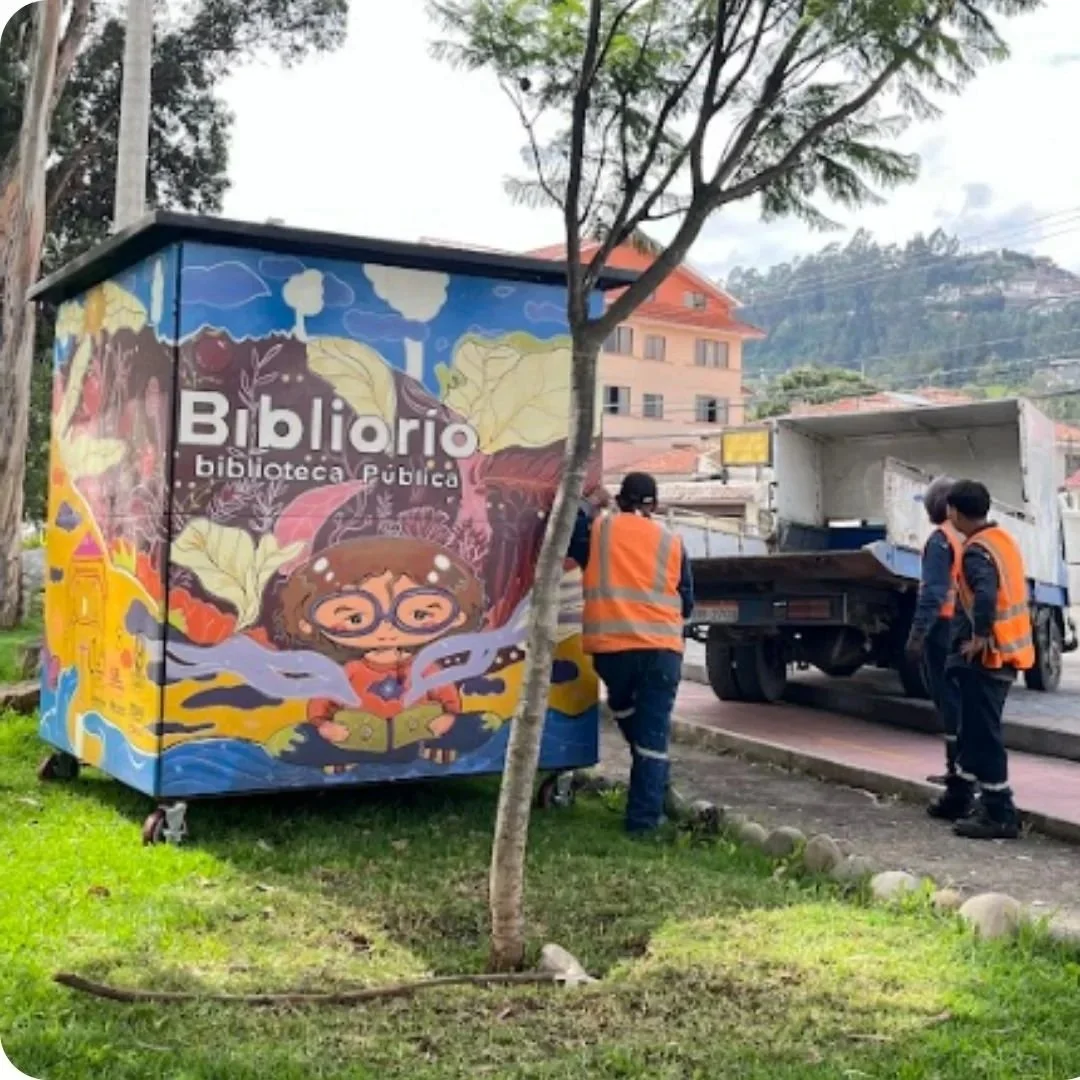
This generation didn't get to develop. During a severe drought in Ecuador, the trees around Bibliorío's first location posed a danger to people, as they could fall.
That's why we made the decision to move Bibliorío to a safe place, always prioritizing the well-being of the community.
Volunteering 4.0 - Phase 2
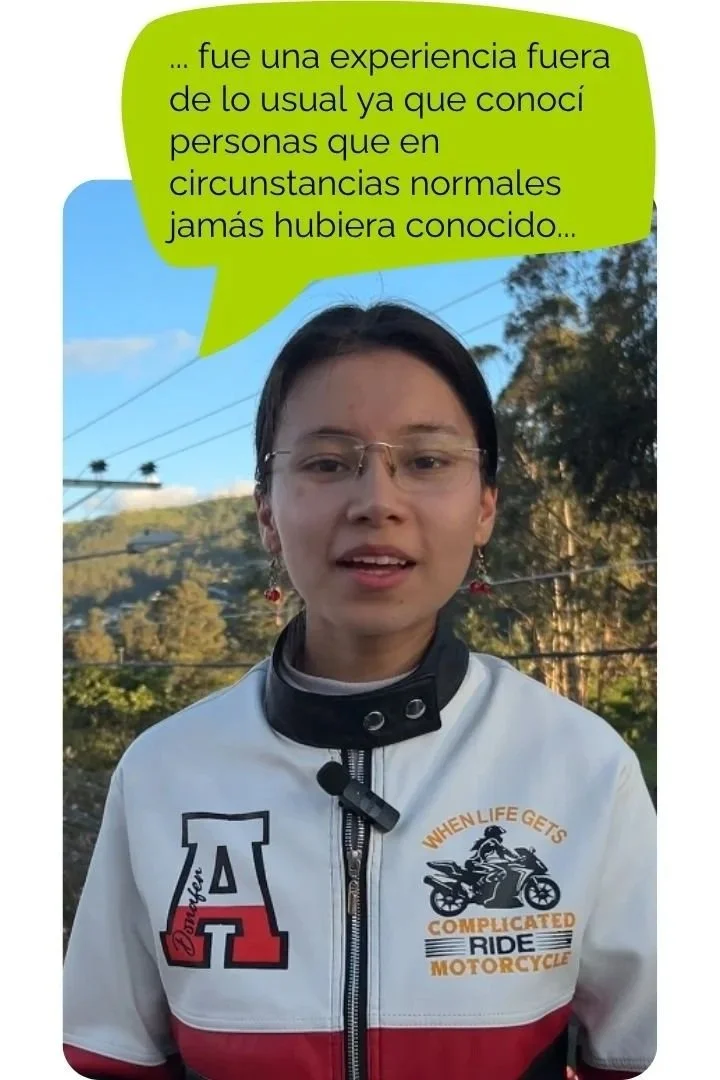
24 young people
66% indicó que el voluntariado le ayudó a sanar un conflicto interno
77% afirmó descubrir aspectos personales que antes no conocía
55% se sintió más seguro en la ciudad
76% se sintió capaz de crear y transformar su ciudad
77% hizo nuevas amistades
Bibliorío MOOD: The City is Your School
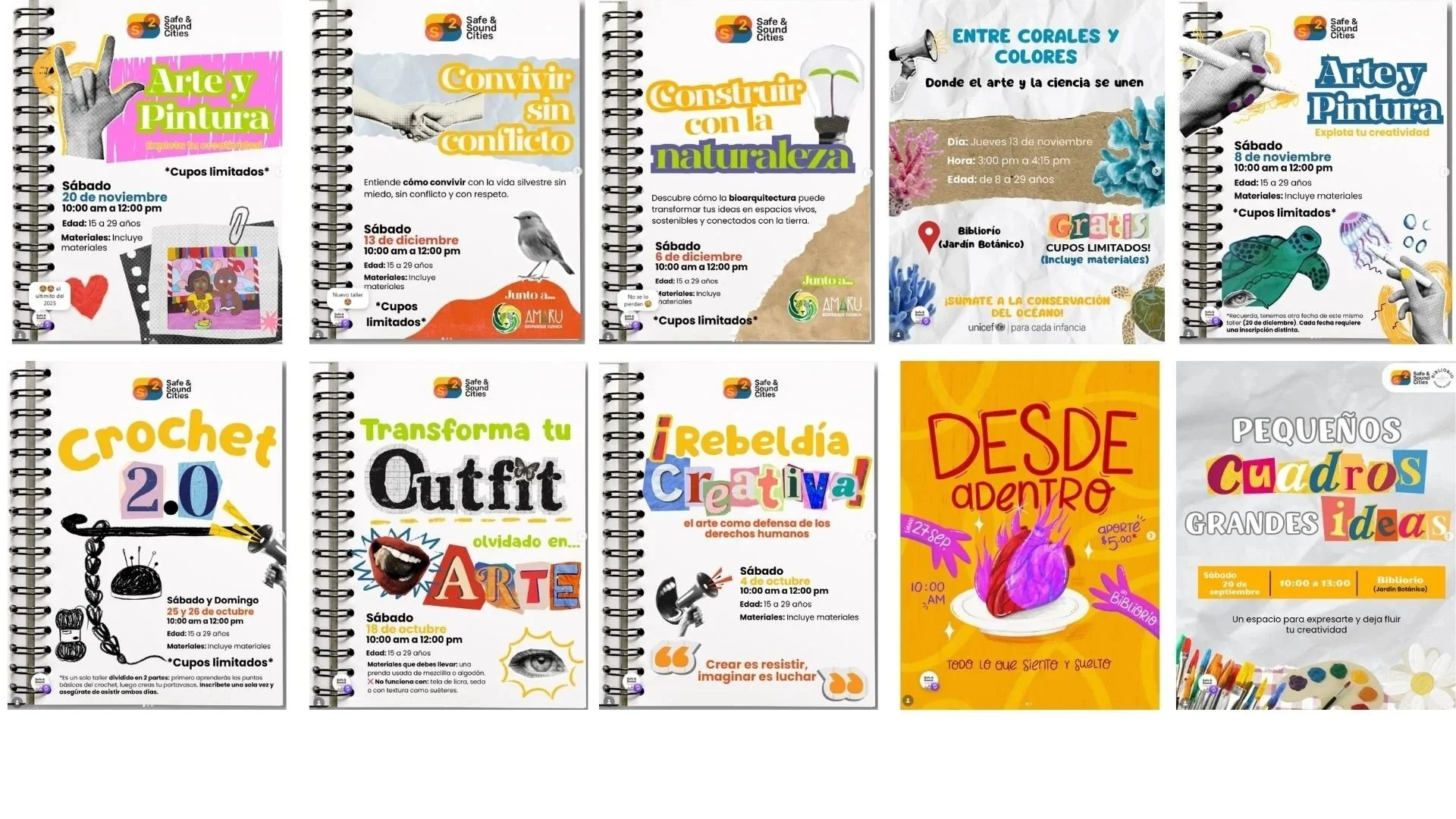
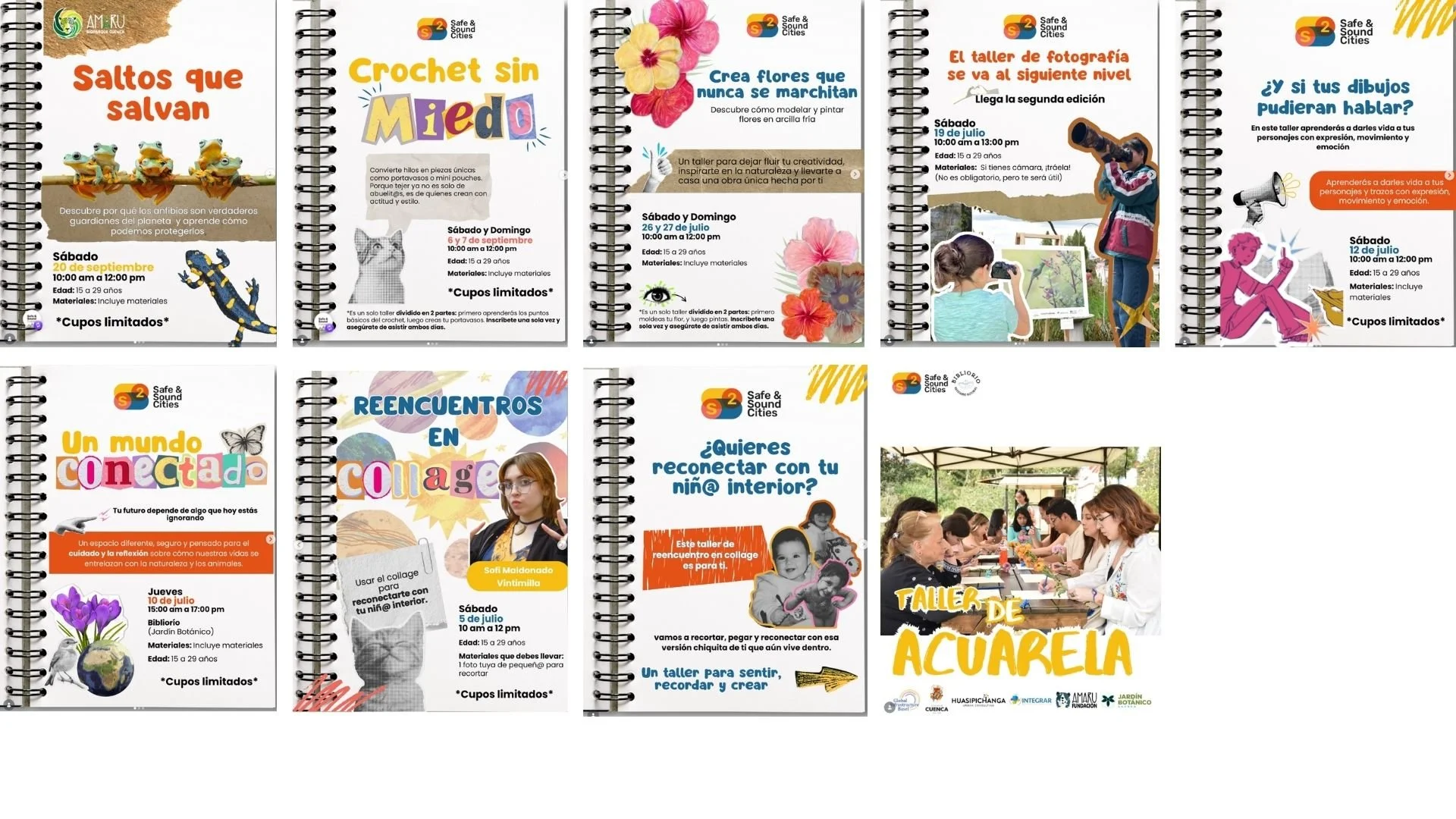
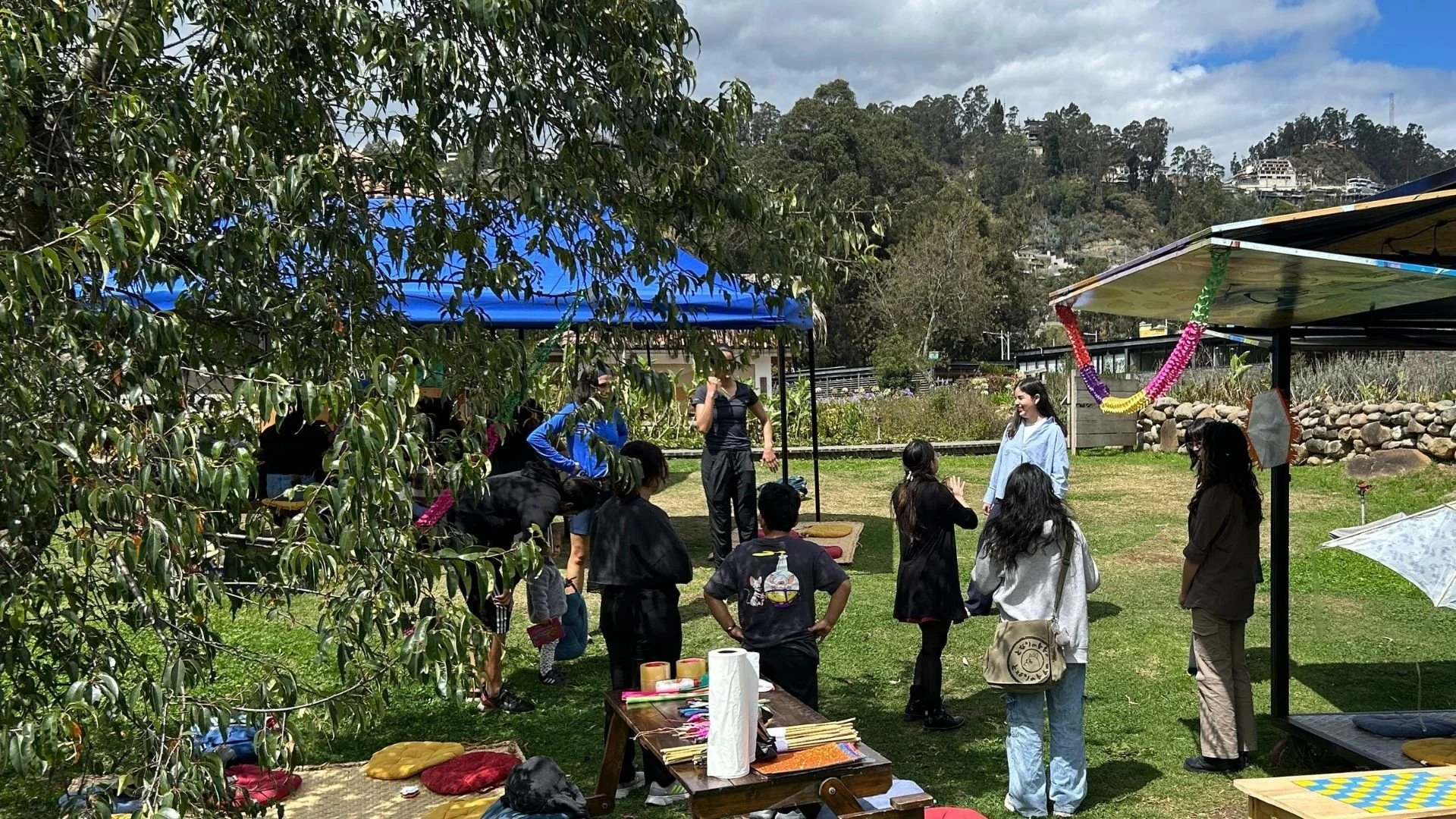
Bibliorío's MOOD is a series of creative, practical, and transformative workshops on diverse topics such as art, communication, science, and technology, aimed at young people between 15 and 29 years old. They all take place at Bibliorío, in the Botanical Garden.
We want the young people of Cuenca to find in Bibliorío a space where they can learn, express themselves, take care of themselves, and build community. We seek to weave networks, foster knowledge that expands beyond each workshop, and leave a mark on those who participate and on the city we share.
Why do these workshops exist?
Because more than 70% of young people suffer from anxiety, stress, or depression, often due to the lack of access to public and social spaces, natural spaces, and human connection.
In numbers
+25 workshops planned
+200 attendees enrolled in Bibliorío's MOOD
3449
native species planted
15
new pedestrian lights
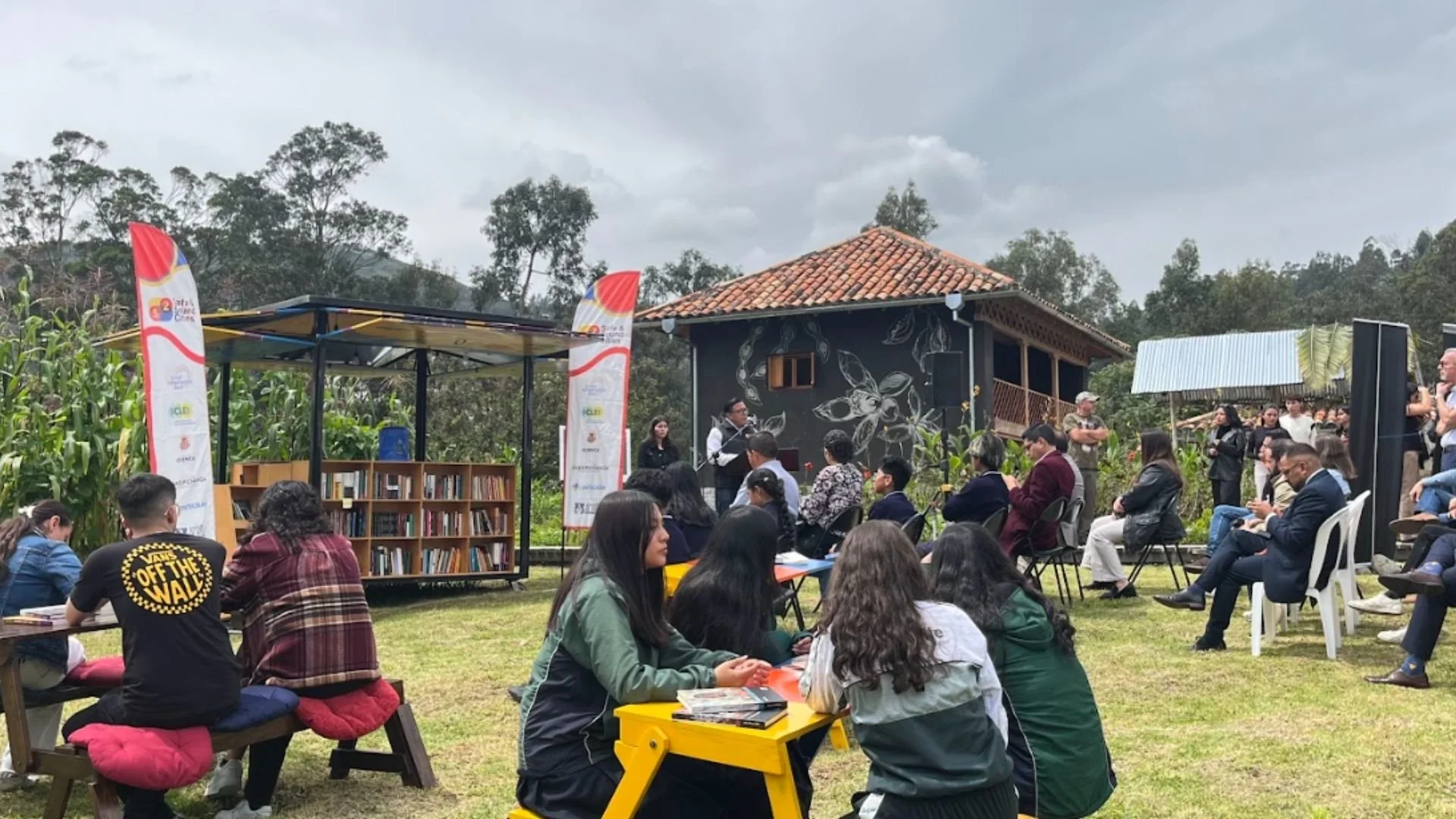
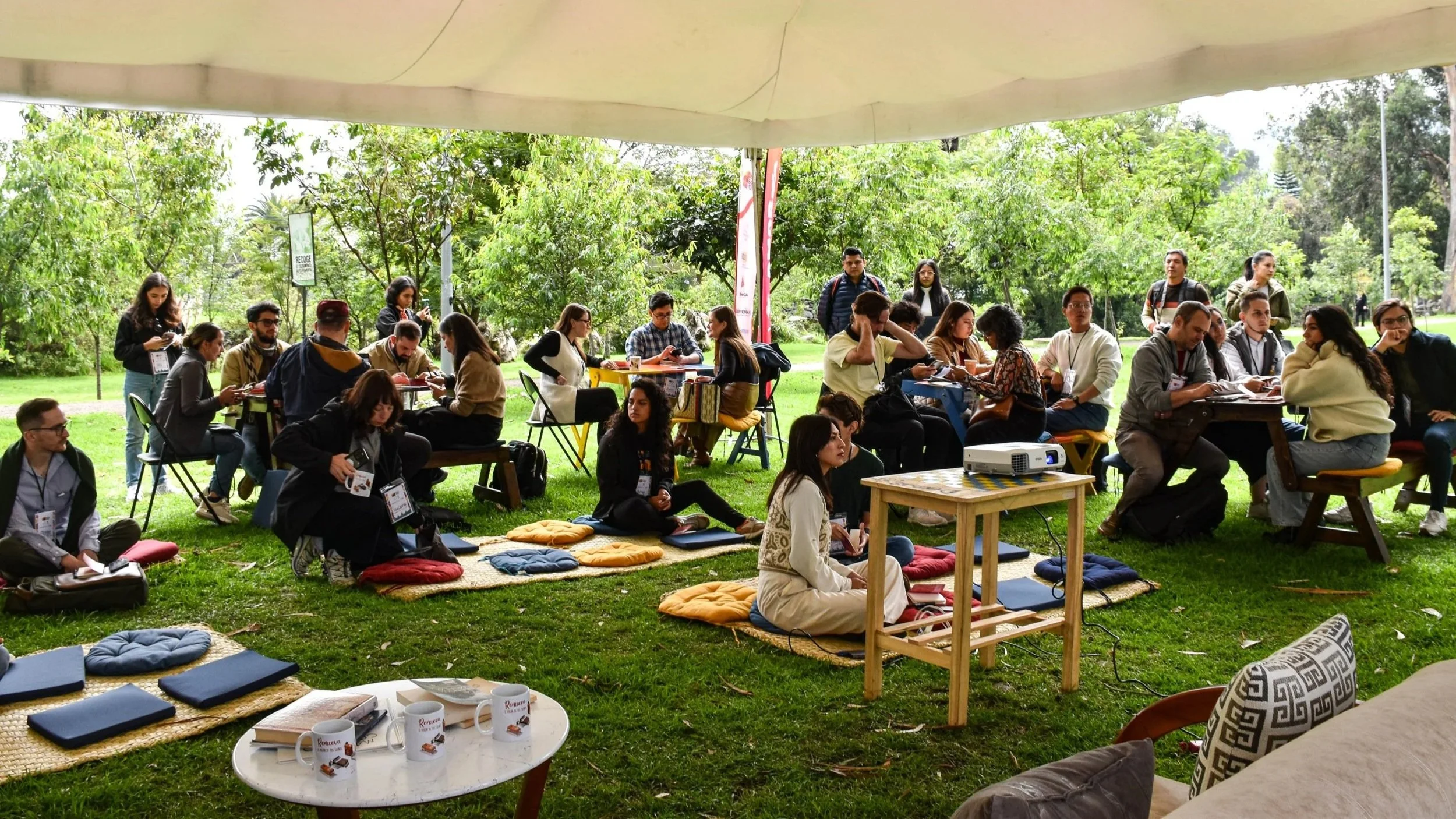
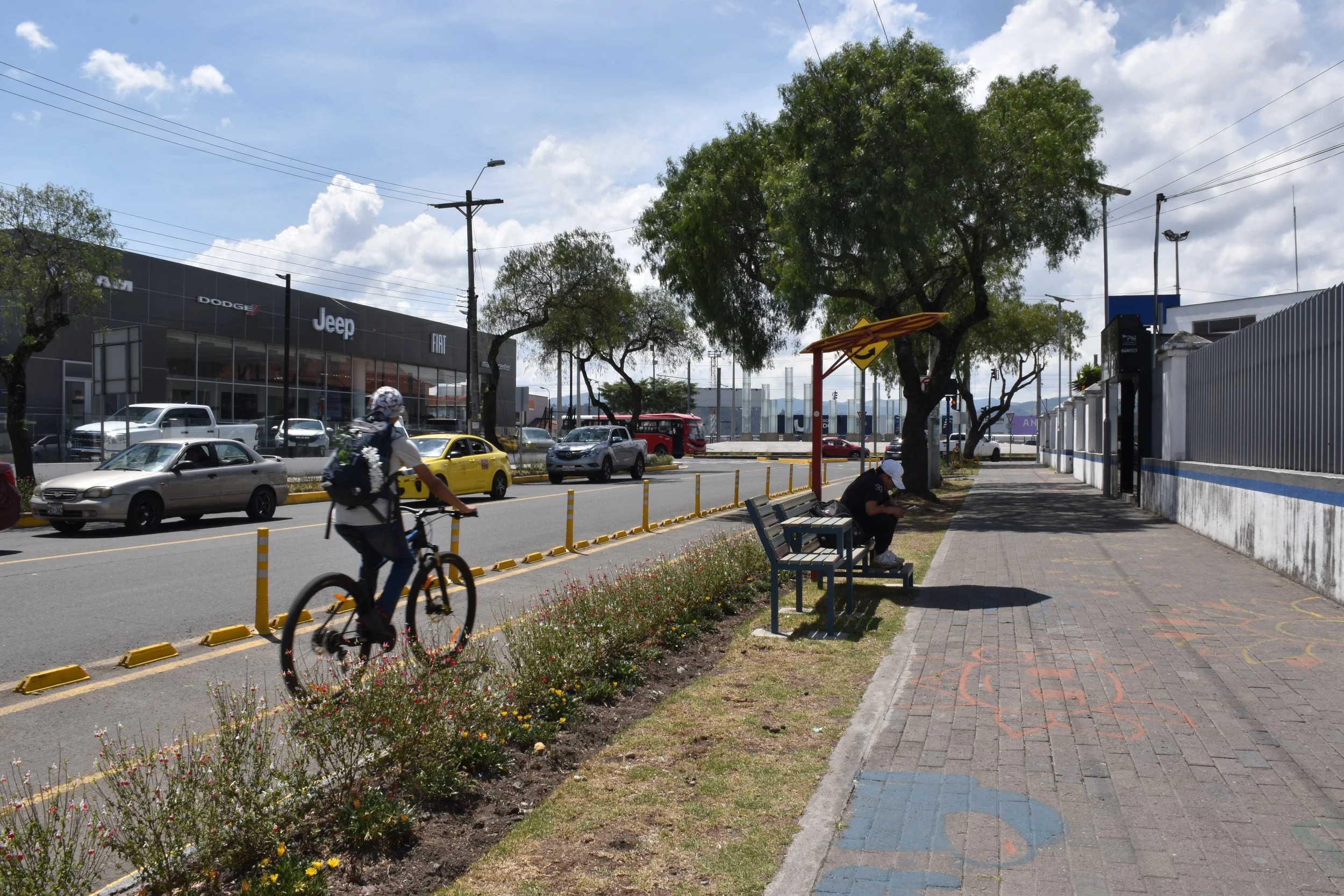
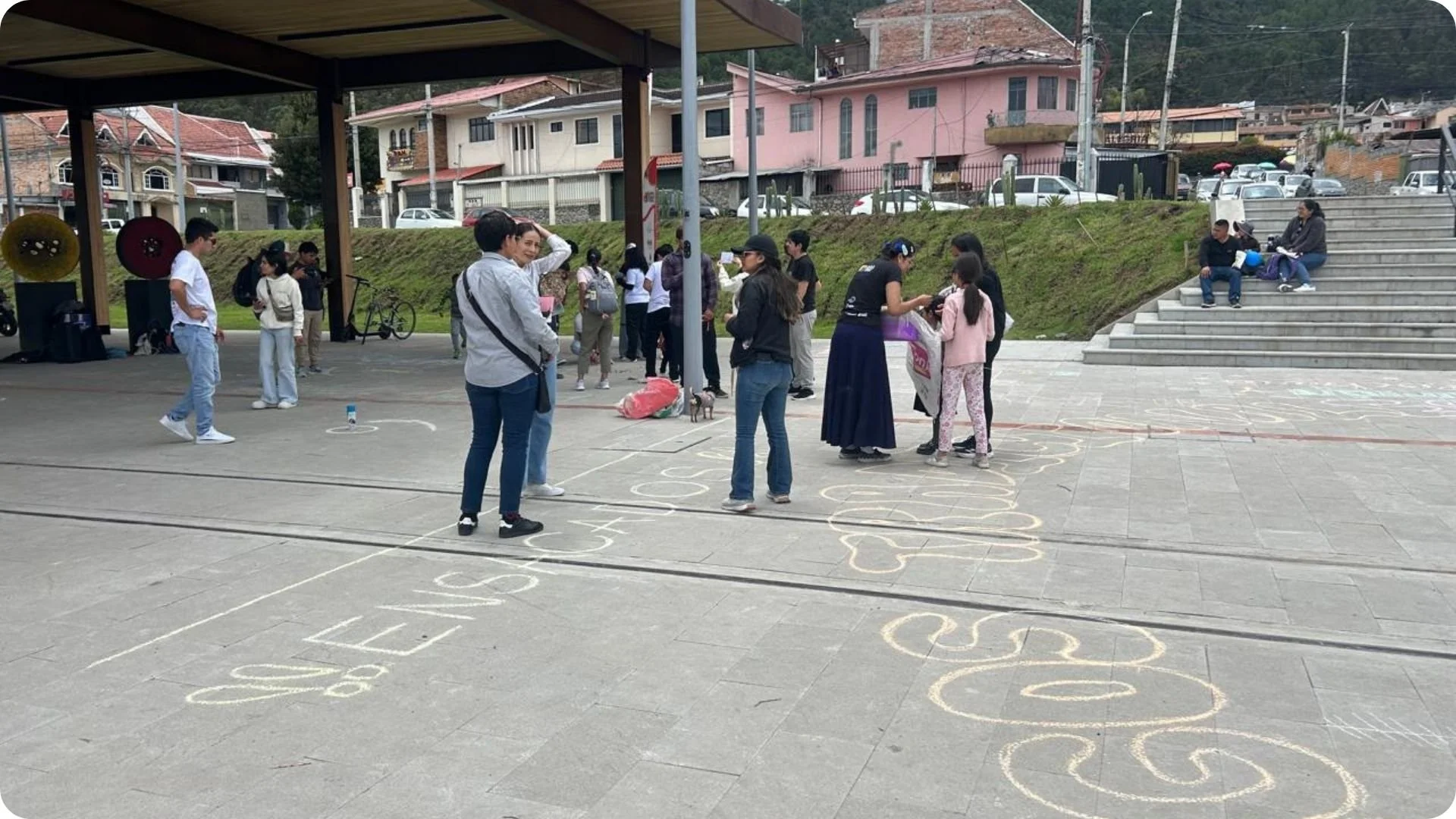
Youth placemaking events
We brought placemaking to the streets through activations in parks, urban walks, workshops, community mingas, festivals, and national and international gatherings. These activities brought together dozens of young people who actively took part in processes of collective learning, exchange of experiences, and generation of proposals to improve the city.
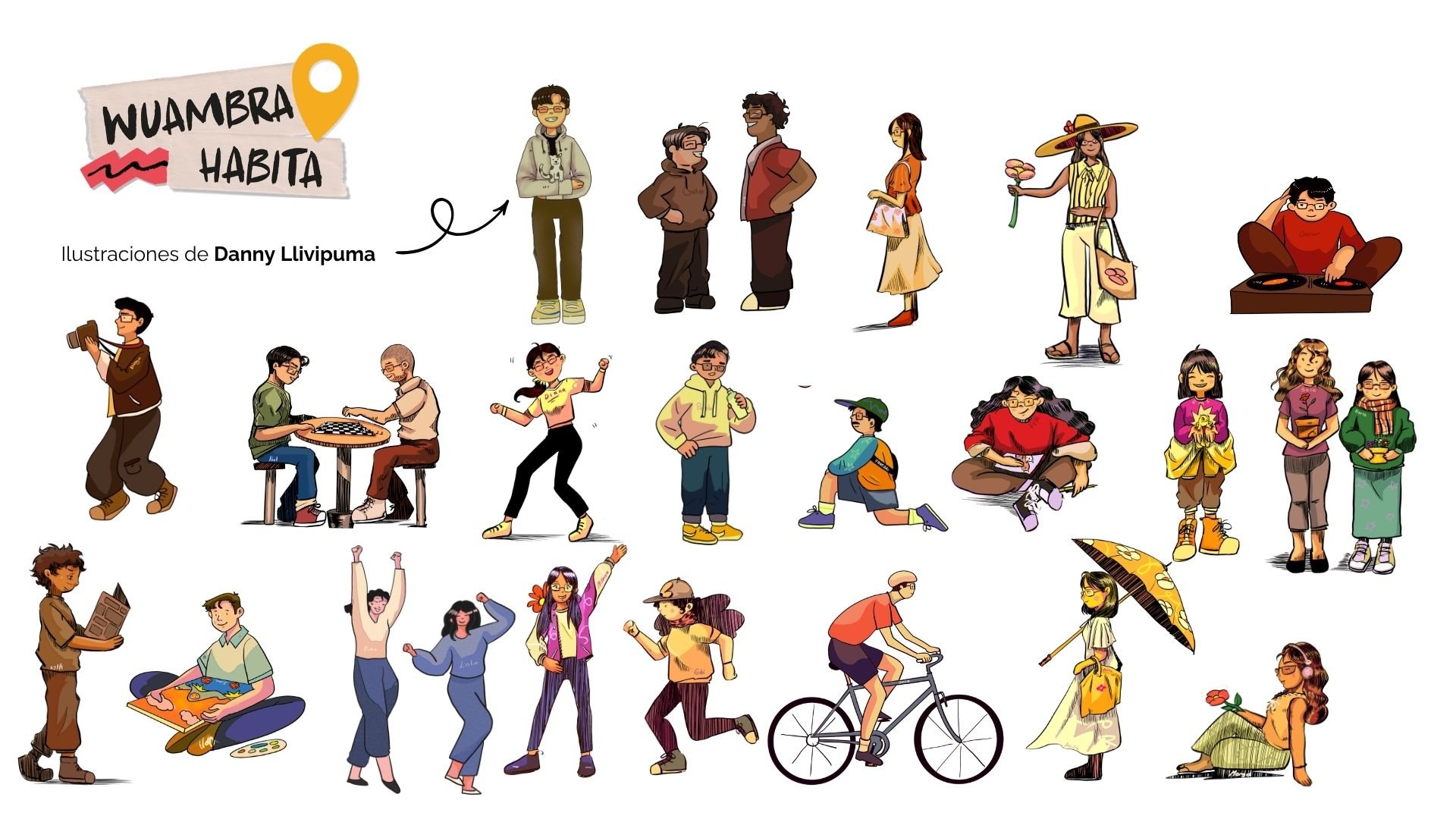
And all of this materializes in… Wuambra Habita
All the training, the collective reflection, and the theory of change from the URBANO School don't stay on paper: they turn into action. From this process, Wuambra Habita is born, the project where young people put everything they've learned into practice to truly transform public space.
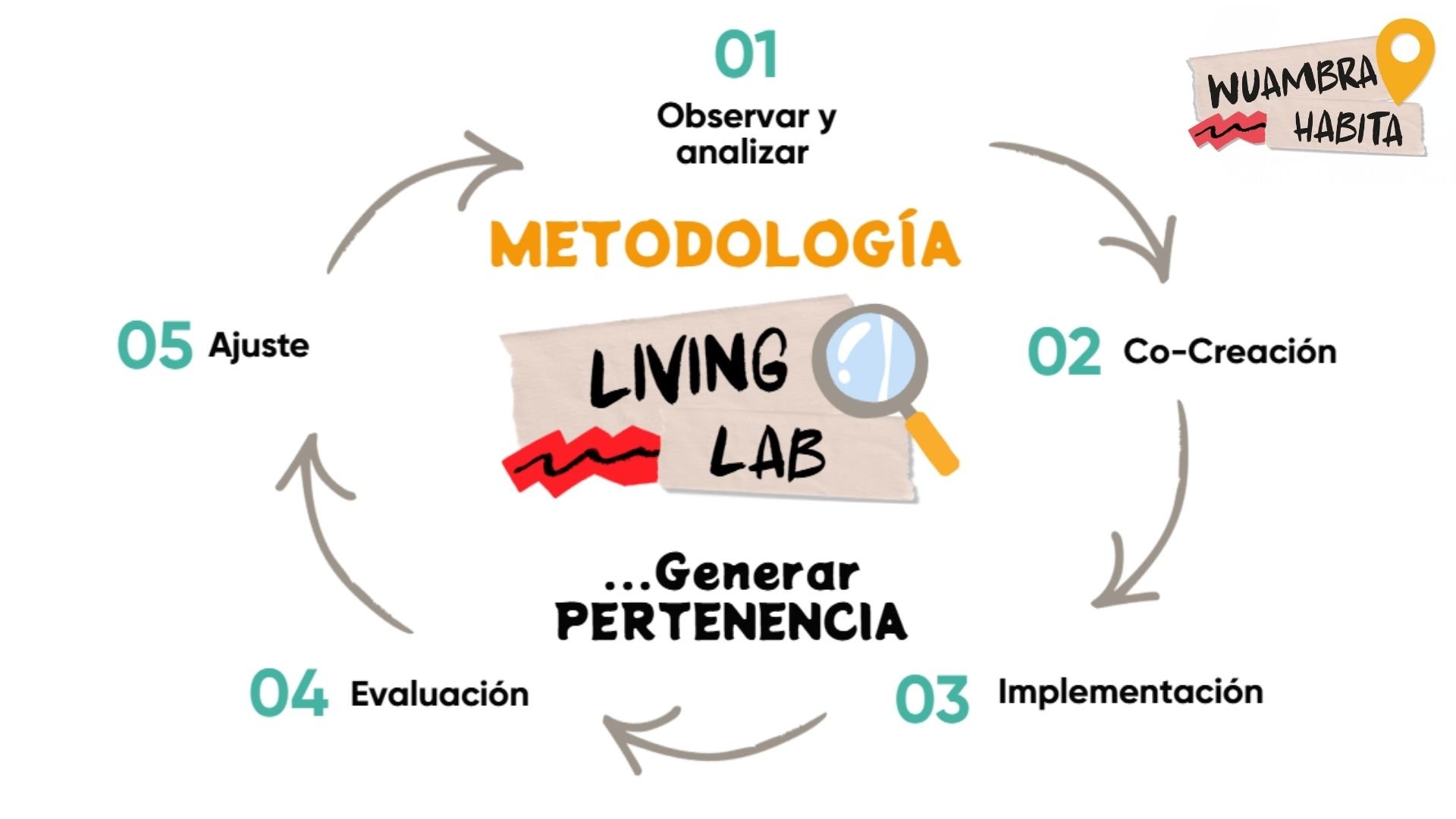
Under the Living Lab methodology: observe and analyze, co-create, implement, evaluate, and adjust, Wuambra Habita seeks to generate a sense of belonging with the city. A project conceived by and for young people, where they are the protagonists of change.
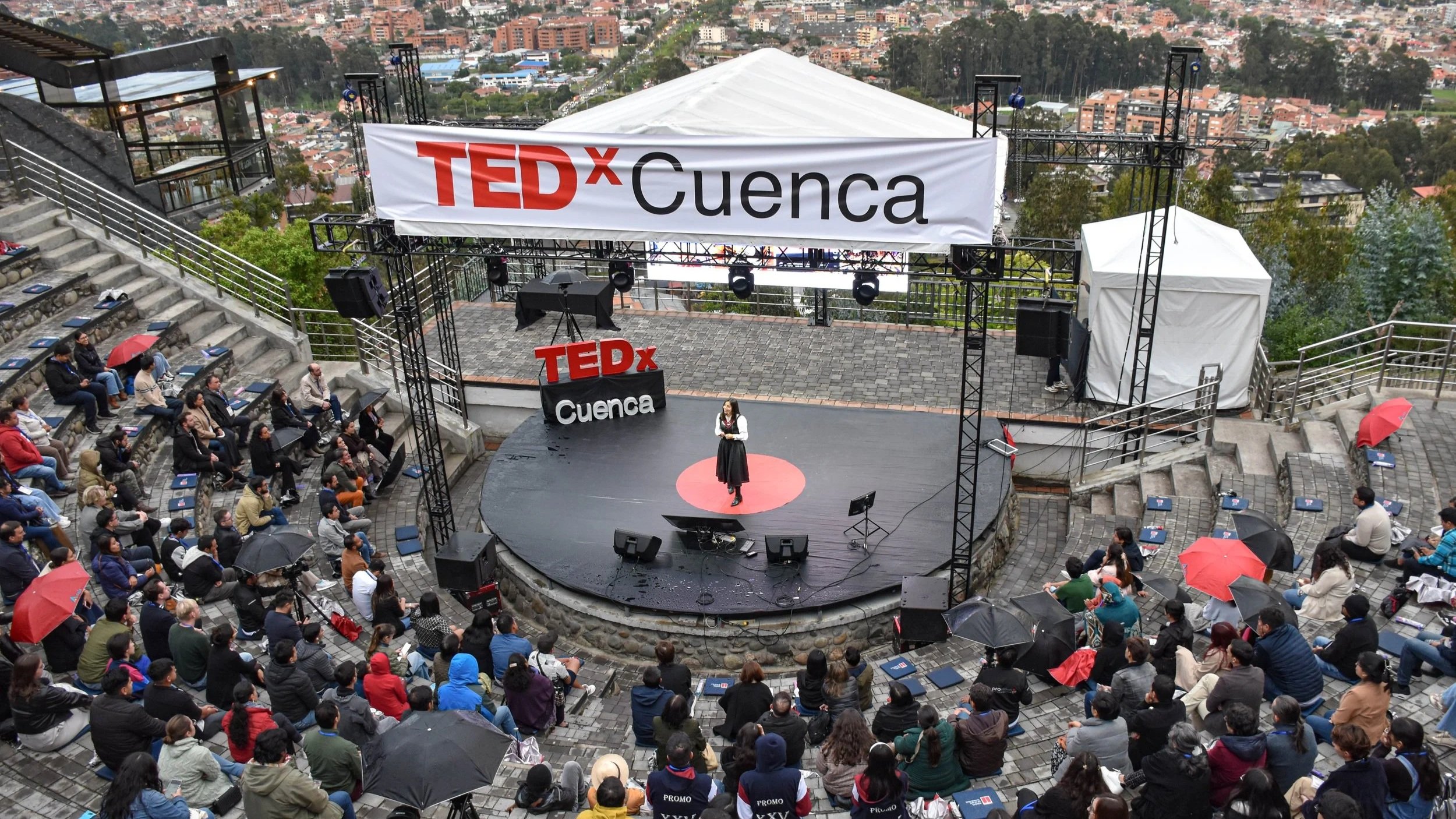
TEDxCuenca
We took part in TEDxCuenca! A gathering that brought together 400 attendees and 9 speakers around 7 talks about public space and the city. And the best part: for the first time, a TEDxCuenca was held in public space, in the street, showing that great ideas also flourish outdoors.
You can listen to the talks here:
El potencial oculto de nuestras ciudades | Victoria Chávez | TEDxCuenca
Los barrios autoconstruidos no son carencia, son potencia. | Cielo Holguín | TEDxCuenca
El derecho a mi ciudad | Amelia Tapia & Martín Pesántez | TEDxCuenca
Locos por la conservación | Victoria Arbeláez & Ernesto Arbeláez | TEDxCuenca
El poder de la música transformando lugares y comunidades | Luciana Renner | TEDxCuenca
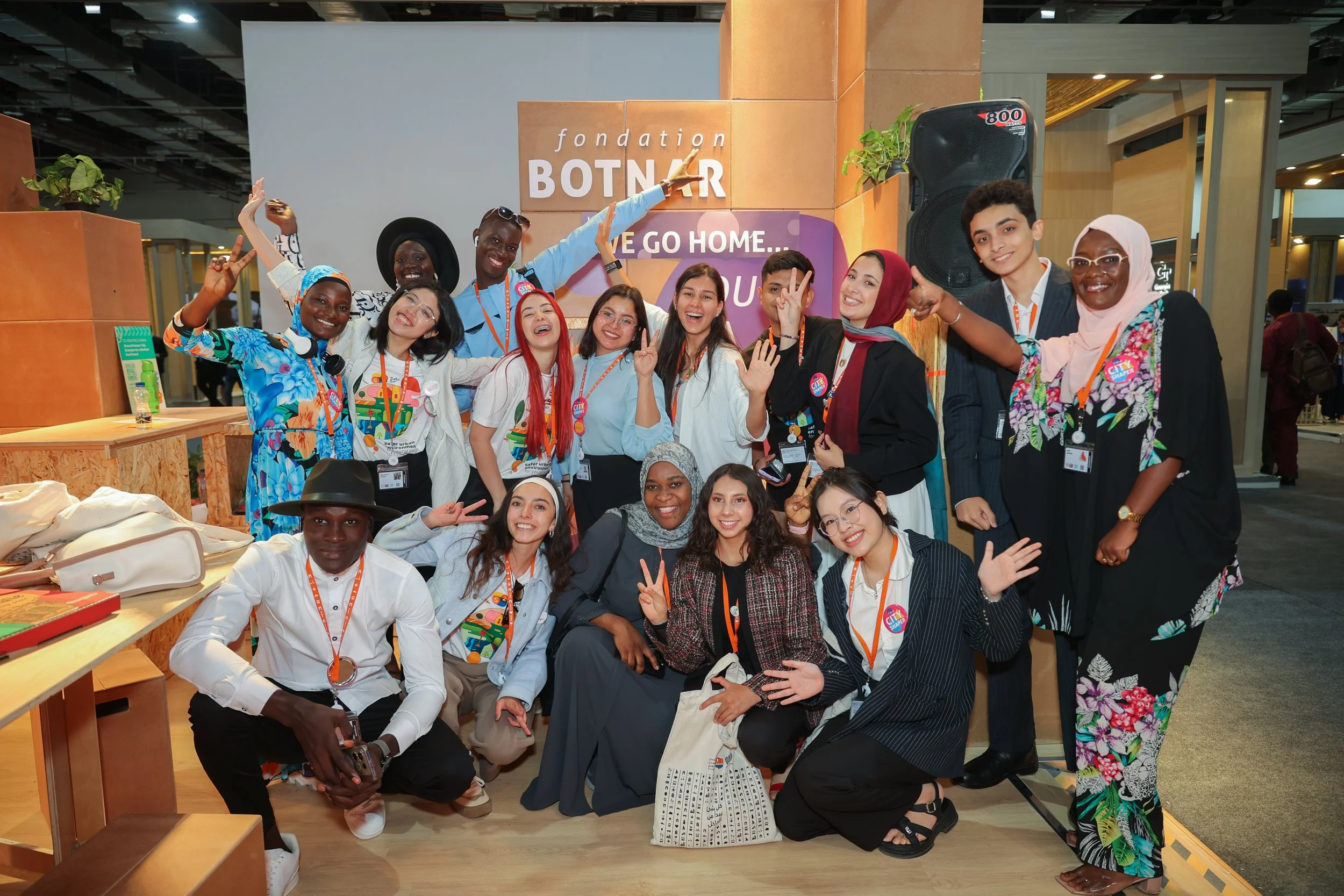
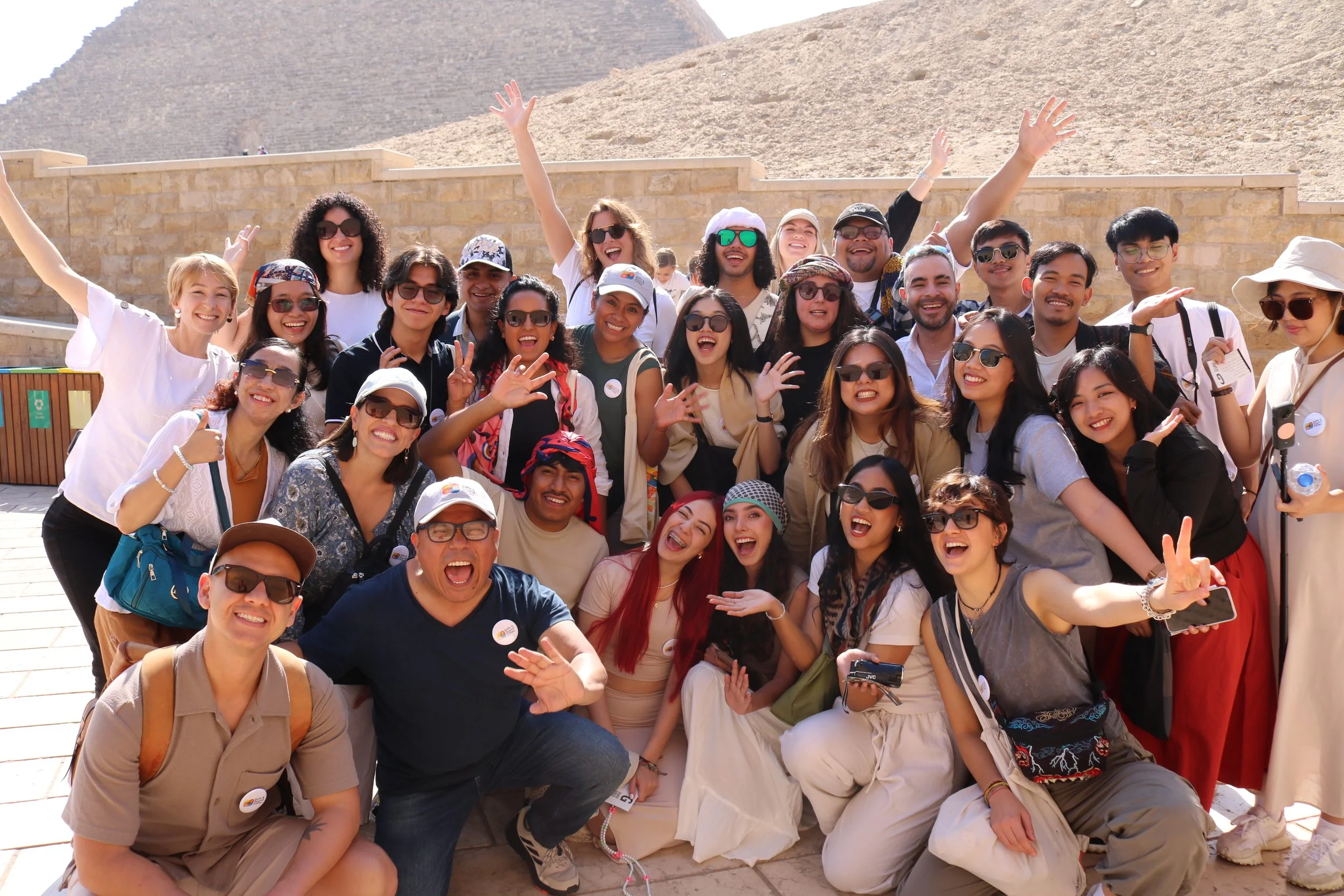
From Ecuador to the world: World Urban Forum (WUF12)
From Ecuador to the world: World Urban Forum (WUF12)
We took our ideas to the World Urban Forum! Imagine being part of a global event where the ideas to change the world are born: that's what the WUF was for us. Together with young people from S²Cities Cuenca and S²Cities Ambato, we brought our projects, our energy, and our voices to show that art, creativity, and public space are tools for healing our cities.
What is the WUF?
The World Urban Forum 12 took place from November 4 to 8, 2024, in Cairo, organized by UN-Habitat. It is the main global event on sustainable urbanization and the most important on the planet in the field of urbanism: it brought together more than 37,000 participants from more than 180 countries, including governments, academia, civil society, and the private sector, with a focus on housing, climate, inclusion, mobility, and technology. It is the space where the world shares solutions to the challenges of cities.
For us, taking part meant that the world is finally listening to those who live in and build the territory: young people. Projects like Arteria, Espacio Sano y Seguro, Bibliorío, and RenovArte were protagonists before leaders from all over the world, because at S²Cities we believe that young people have the power to change the course of our cities through art, creativity, culture, teamwork, and public space.
URBANO School: training agents of change
URBANO Placemaking School is a training program in social innovation and urban design aimed at young people aged 18 to 29, which seeks to train agents of change capable of transforming public space into healthier, safer, and more inclusive places.
Its goal is for young people to understand their city and its issues, connect with the community, design and implement real urban solutions, and become leaders of urban transformation processes.
How does it work? It lasts 12 months (approx. 460 hours), with an 80/20 methodology: 80% hands-on work in the community and 20% theoretical training. The process goes through several phases (preliminary design, project design, implementation, and MEL evaluation), during which participants develop two real urban intervention projects with an assigned budget.
Along the way, they strengthen key competencies: placemaking and urban design, research and data analysis, community participation, teamwork, communication, leadership, project management, innovation, and a focus on sustainability and equity.
What do we have so far?
42 work sessions.
2 projects in development.
Field data collection work and coordination through subcommunities (design and construction, communication, management and public administration, sustainability, and MEL).
The Hive Fest
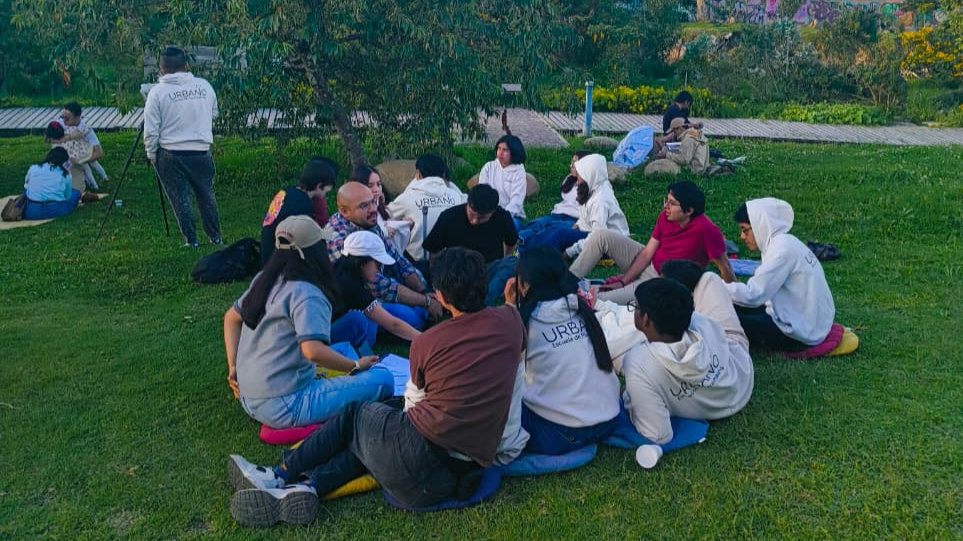
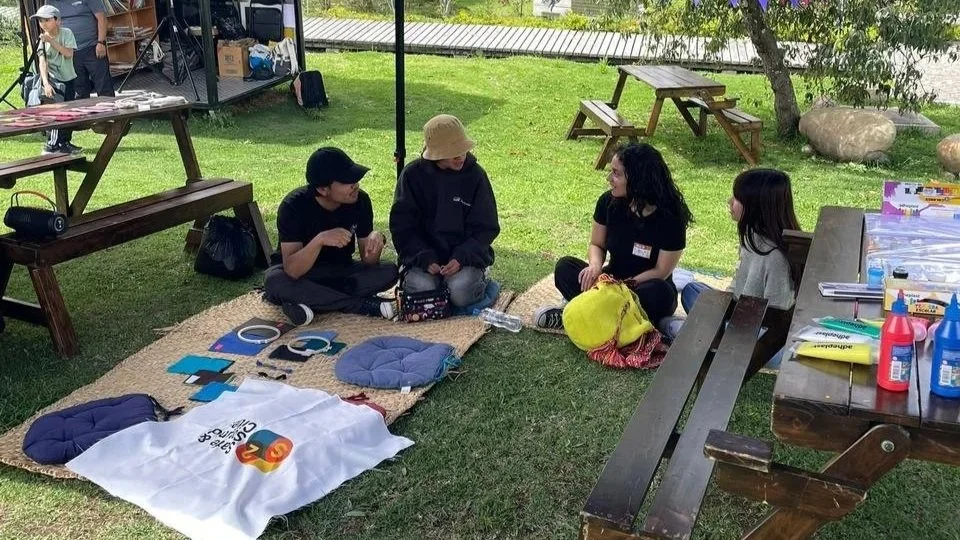
+25 young people took part in The Hive Fest, a gathering where they carried out collective activities and shared experiences with young people from other cities around the world.
Young people exchanged knowledge between cities: Ambato, Baguio, Cuenca, Cartagena, Envigado, and Naga.
They shared a morning of activities that showcased the use of public space and generated meaningful connections with the teams from other countries.
Theory of Change
S²Cities starts from an idea: the urban environment directly influences safety and well-being. When young people actively participate and collaborate with other actors (municipality, community, private sector), the results improve.
Based on this theory of change, the young people developed a structure that links their interventions with youth-related issues, defining clear objectives and goals:
Immediate results: safer and more accessible public spaces, active participation of young people in urban design, and innovative projects funded and carried out.
Intermediate results: greater perception of safety, improved mental health and well-being, strengthening of the social fabric, and an increase in sustainable mobility and the use of public space.
This theory of change was built collectively at the Youth Hub, with the participation of 25 young people and 9 members of the implementing team, in a session of feedback and joint reflection.
Want to see Wuambra Habita in action? Follow us on Instagram and discover everything we are co-creating.
STEP 4: ADAPT THE SYSTEM
From a local pilot to a city strategy
The last step is to ensure that everything built grows, connects with the world, and keeps improving with the voice of young people.
Scalability and global connection
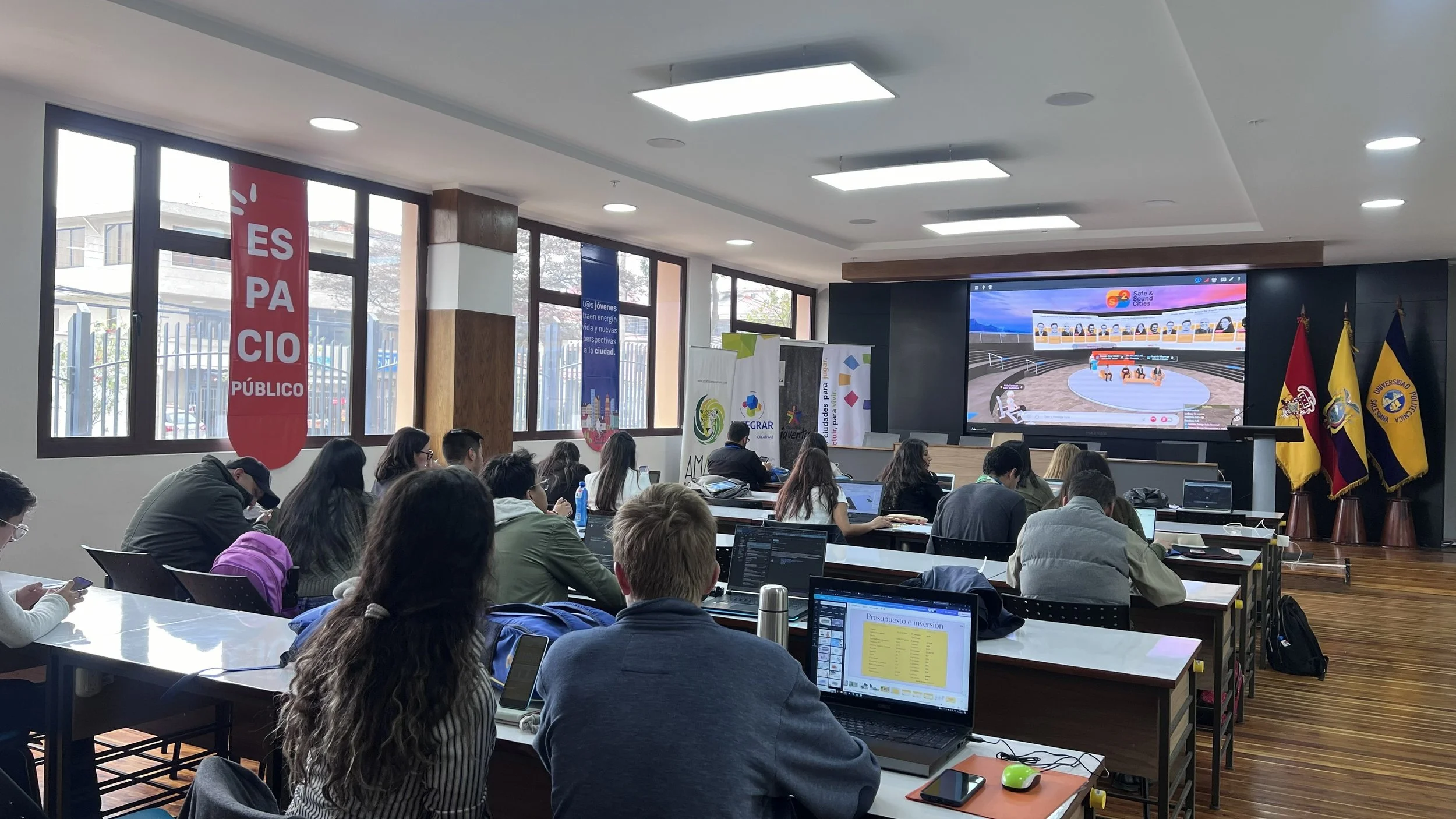
We took Cuenca's voice to the Global Convening, a worldwide event of the S²Cities program that invites all participating cities to present their challenges, activities, ideas, and solutions to create healthier and safer cities.
There, we connected with young people from Switzerland, Colombia, the Philippines, and Indonesia. We evaluated each pilot to turn it into a city strategy that increases impact and safety for everyone, and the finalist teams presented their ideas for one last round of feedback before the awards event.
Monitoring, evaluation, and scalability
Each intervention is monitored and evaluated to move from a pilot project to a city-level scalable strategy that expands its reach and impact. In addition, we gather the lessons learned and make the necessary adaptations to improve the project, always with feedback from young people.
Thinking about the future: what we learned with our stakeholders
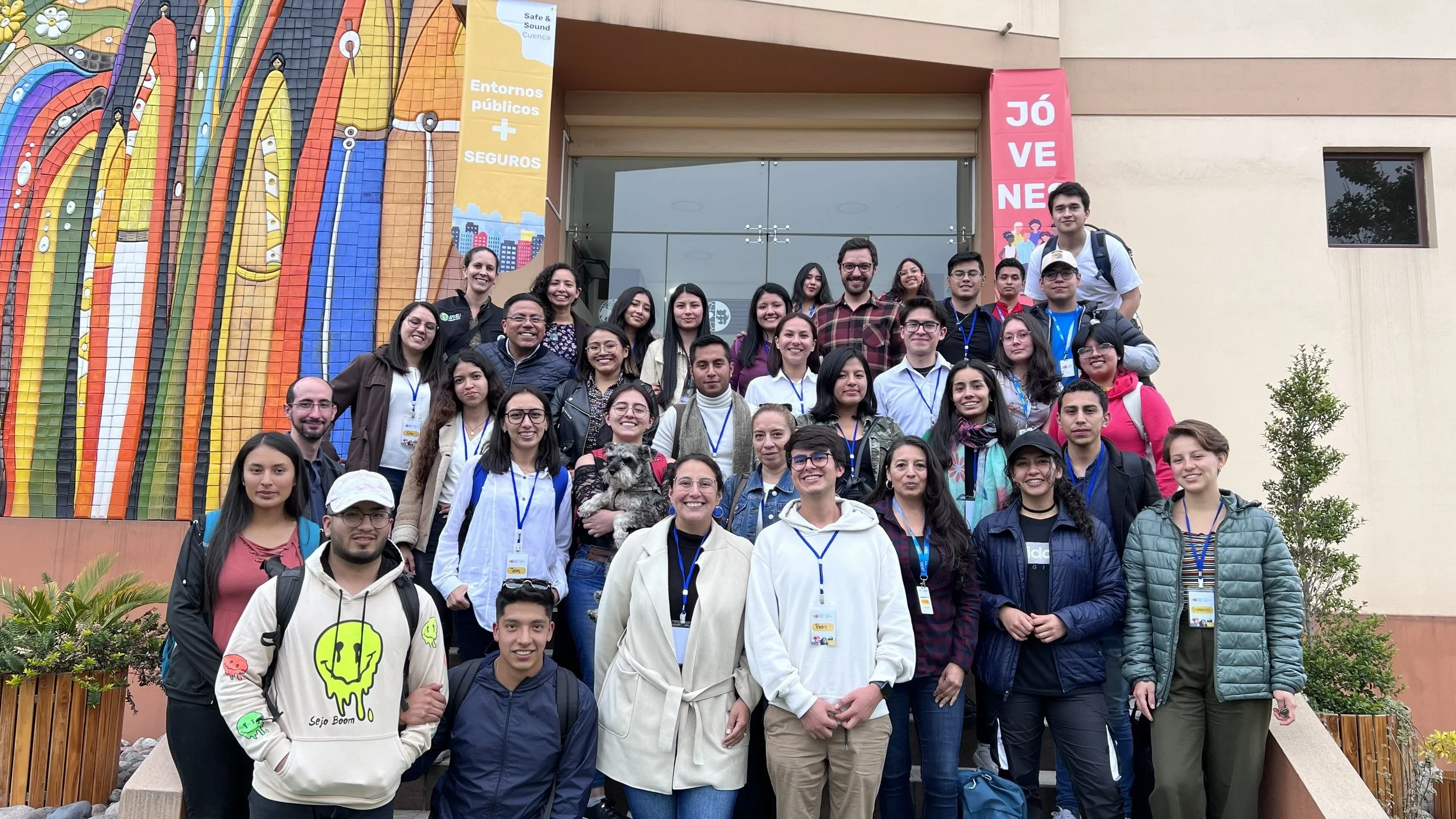
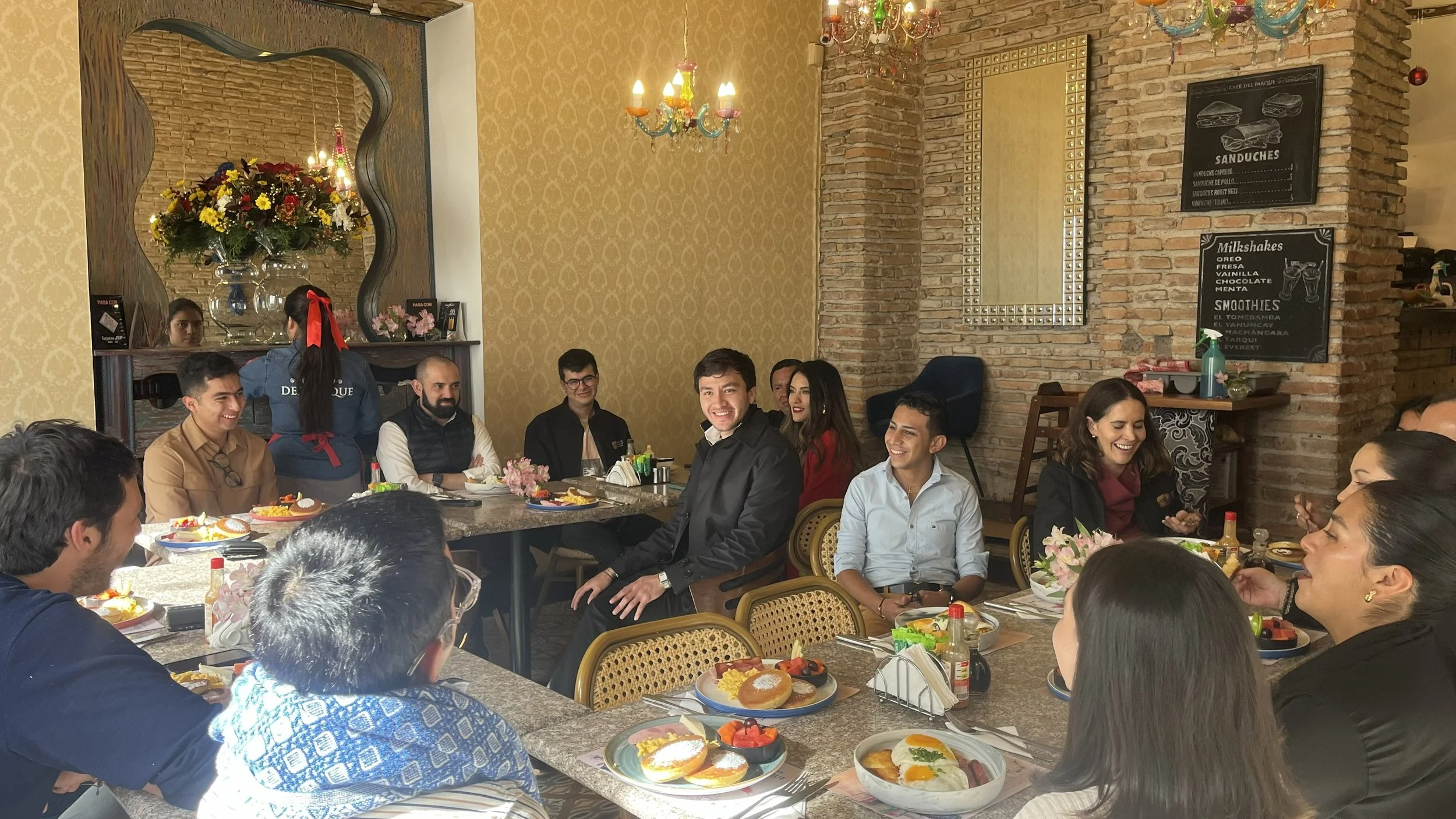
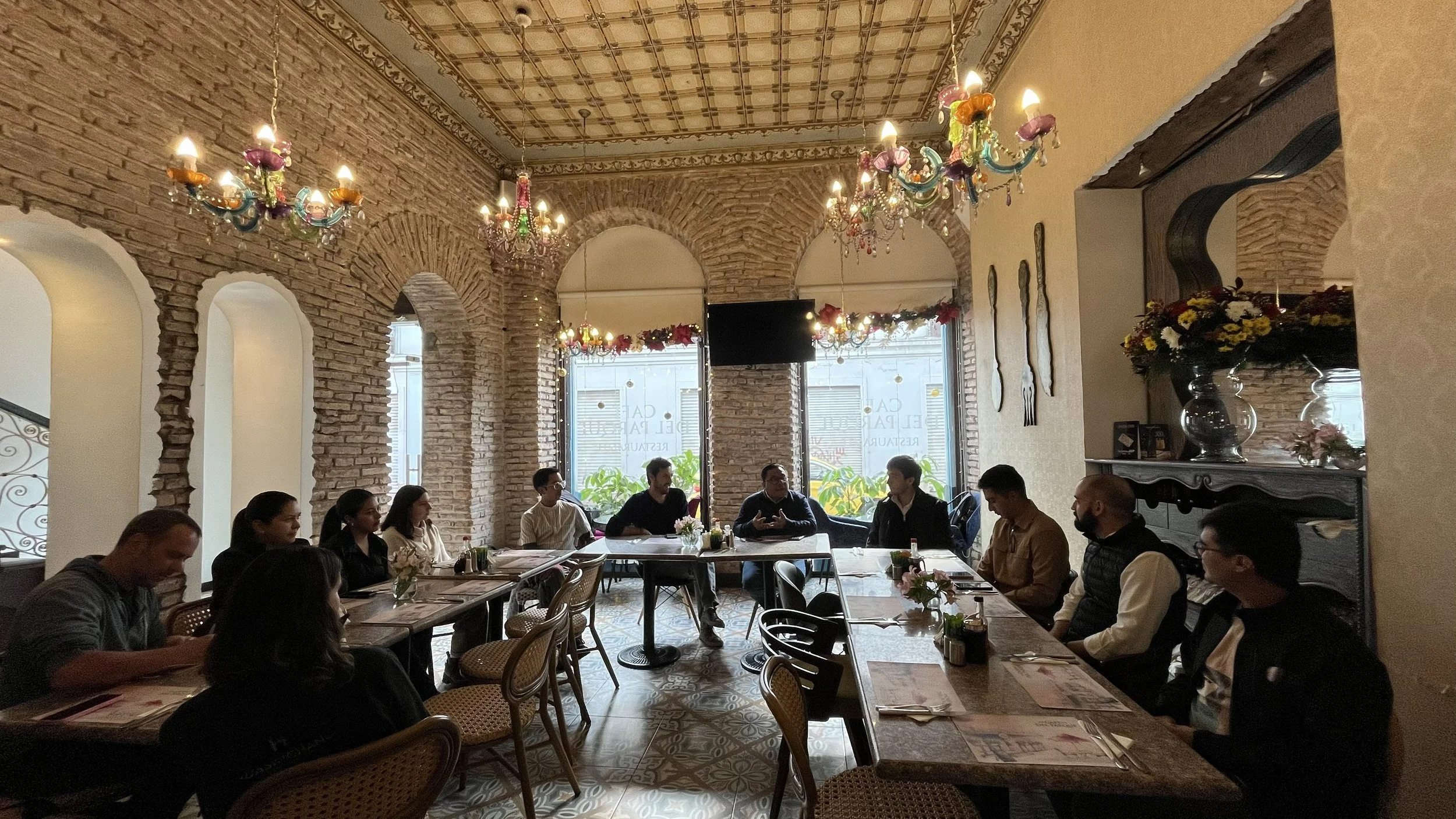
In a breakfast-conversation with stakeholders, we reflected on the underlying challenges for youth participation to be real and lasting:
Breaking with adult-centrism. Hierarchies persist where the adult voice has greater legitimacy. It is necessary to dismantle the cultural structures that limit real youth participation and to stop seeing young people as secondary actors in decision-making.
Overcoming fear: Many young people are afraid of making mistakes or being rejected. As they told us: "Losing the fear… can make us gain so much." The program helps them recognize their own capacity to make an impact.
Meaningful spaces: the "second home": Successful projects generate emotional ownership. "Bibliorío is a second home…"
Participation that becomes institutionalized: It's not enough to invite people to participate: formal structures and permanent mechanisms are required. Youth participation must move from being symbolic to being structural and institutionalized.
Community and relational well-being: The greatest impact of the program has been generating community. Urban safety is built from relational well-being, trust, and a sense of belonging.
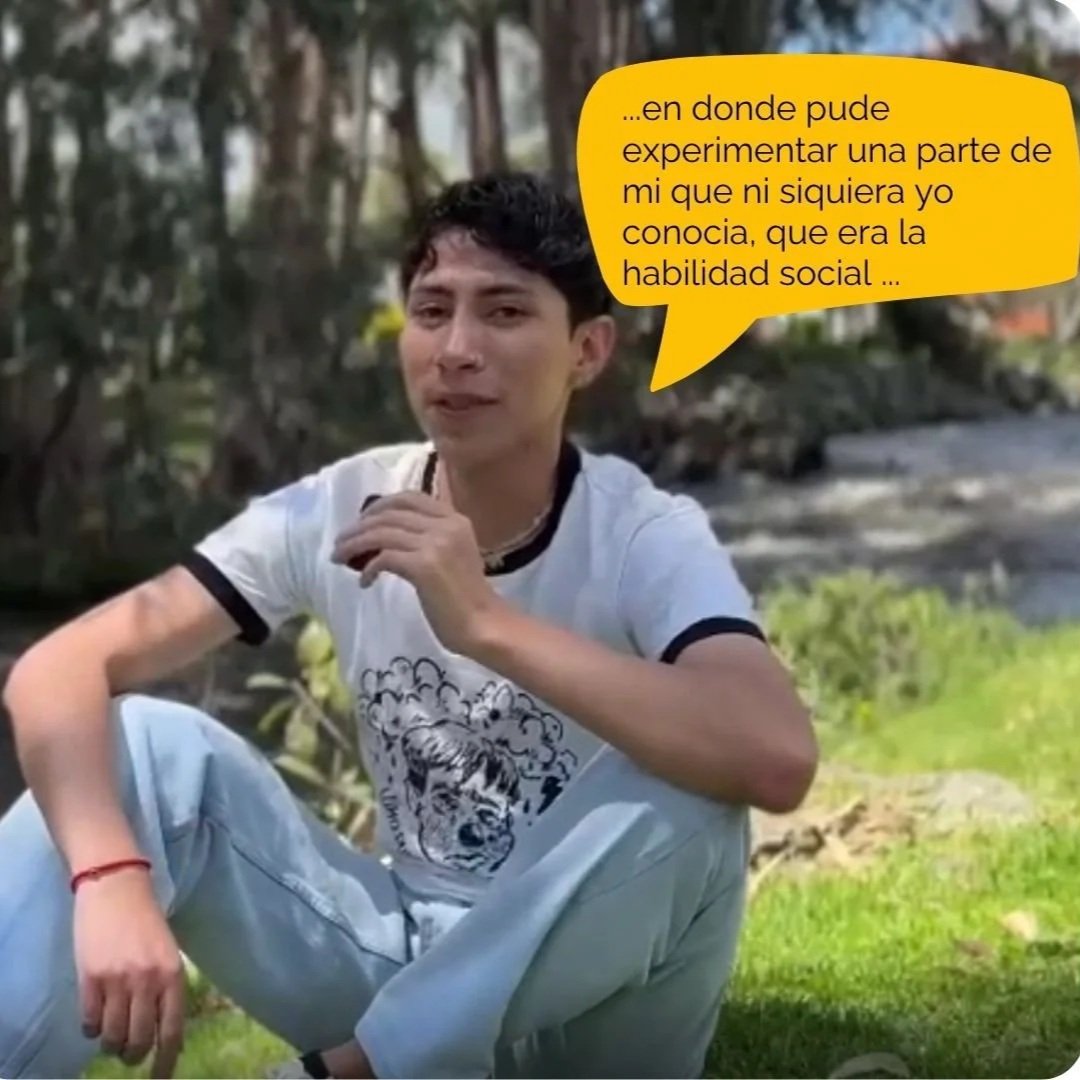
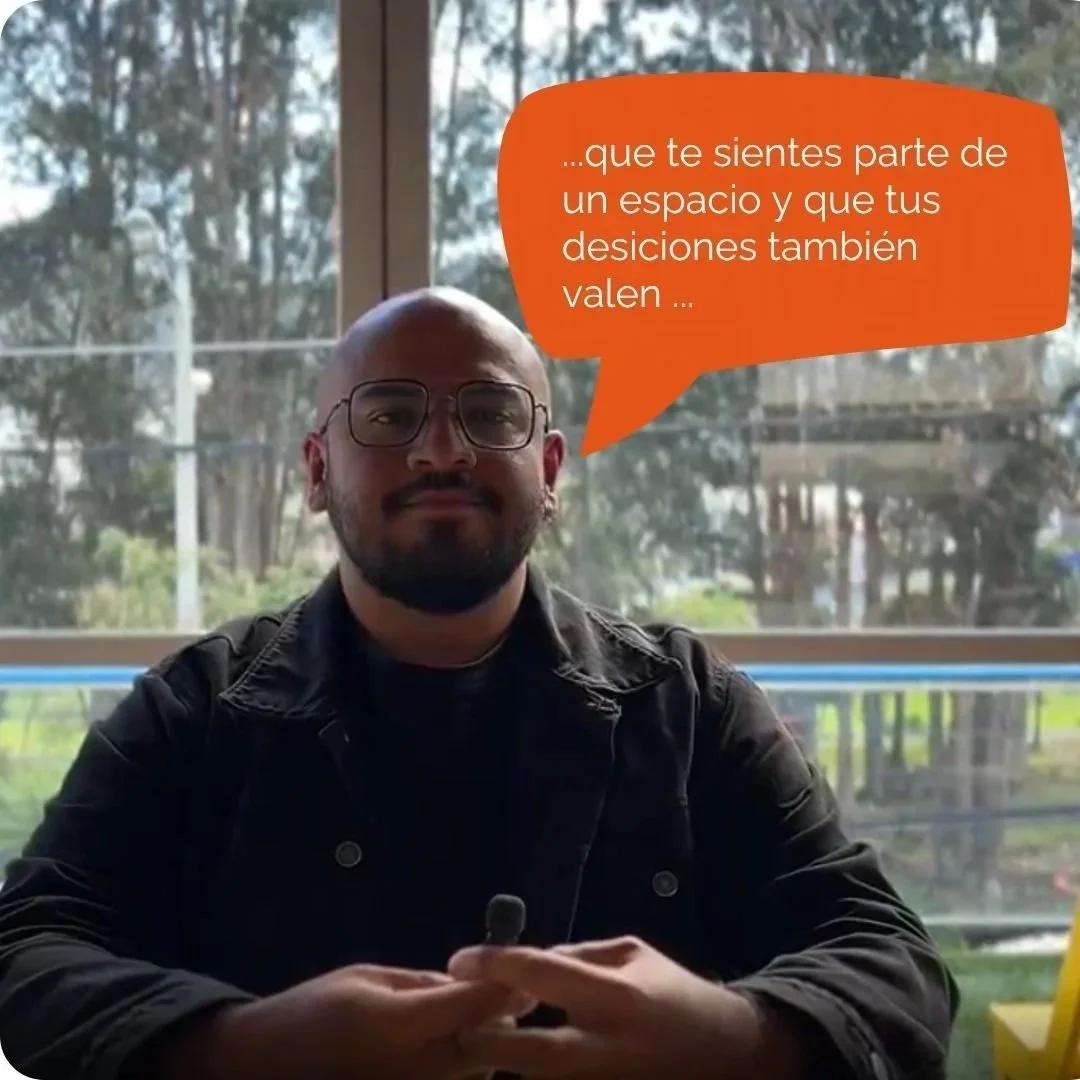
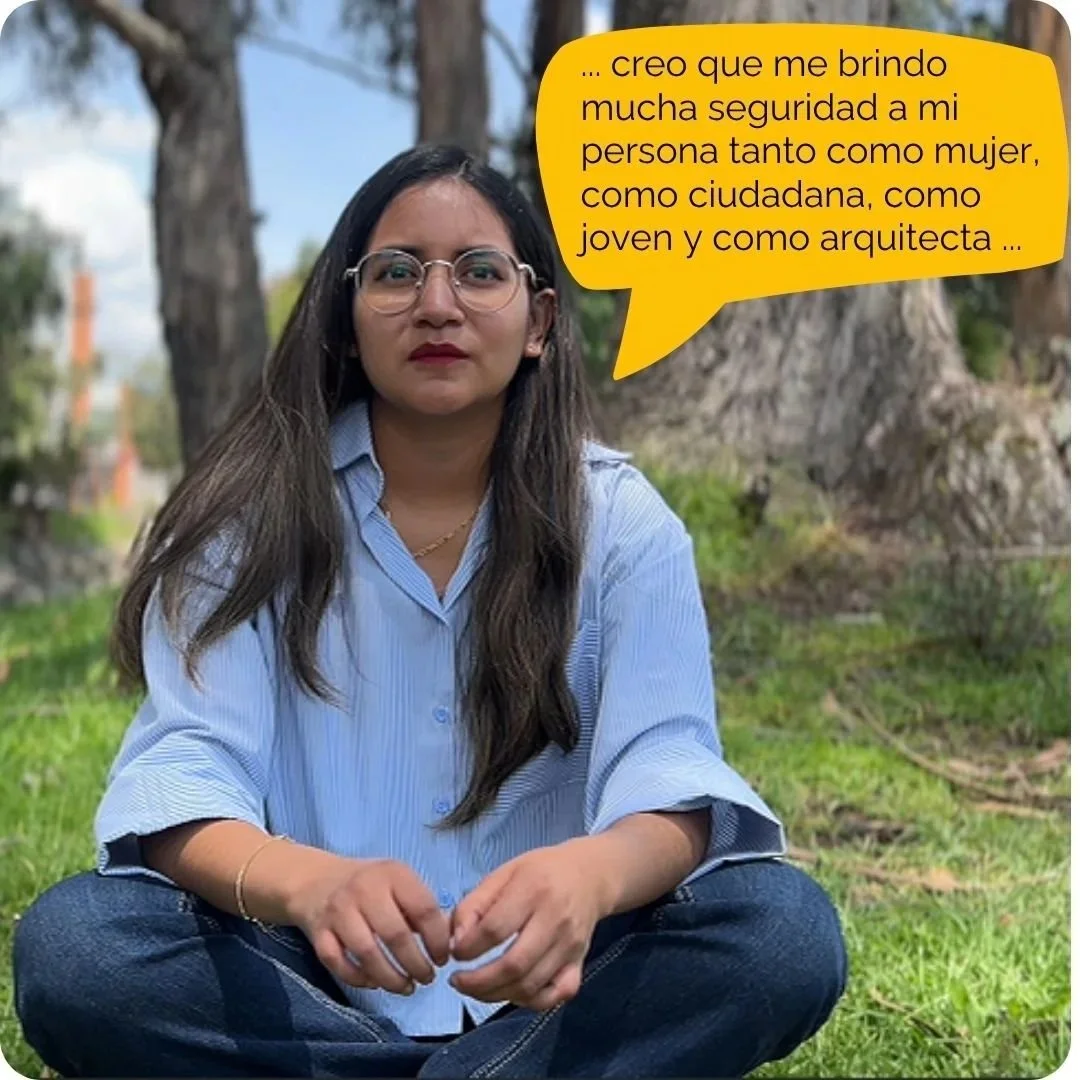
The most significant change
Beyond the data, the real impact is seen in people. These are the stories of young people who, through the program, generated a change both in themselves and in their community.
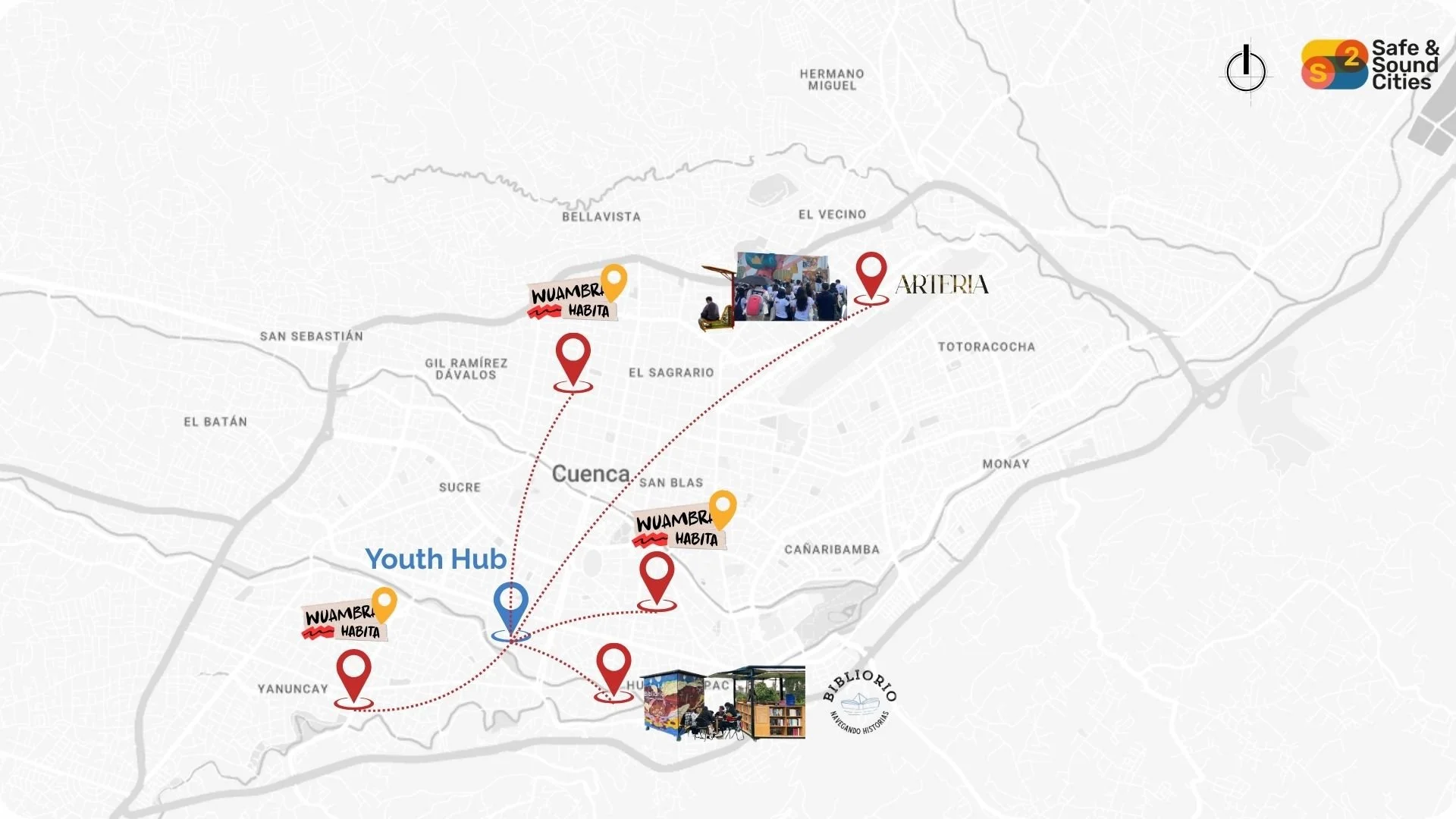
Where are we?
Our spaces live in different points of Cuenca: Arteria, Bibliorío, the Youth Hub, and the Wuambra Habita sites.
Interested in becoming an implementing partner?
If you are part of an institution, private company, or foundation interested in supporting young people to create a healthier and safer Cuenca, or if you have ideas or projects in which you'd like young people to participate… get in touch!


The project will be documented and shared nationally and internationally to inspire other cities, institutions, and young people to replicate similar initiatives.
Are you part of a national or international organization, or a city interested in the program's results? Get in touch with us!
In the media:
Interview on Radio Tomebamba Cuenca - Fabián Bermeo, Director of Innovation of the Local Grantee Safe & Sound Cities Cuenca, tells us about the objectives and progress of the project and extends the invitation to the Hackathons. Listen to the full interview here.
Interview on Radioactiva Cuenca - Pedro Coello presents the project to the public from the perspective of young people. Listen to the full interview here.
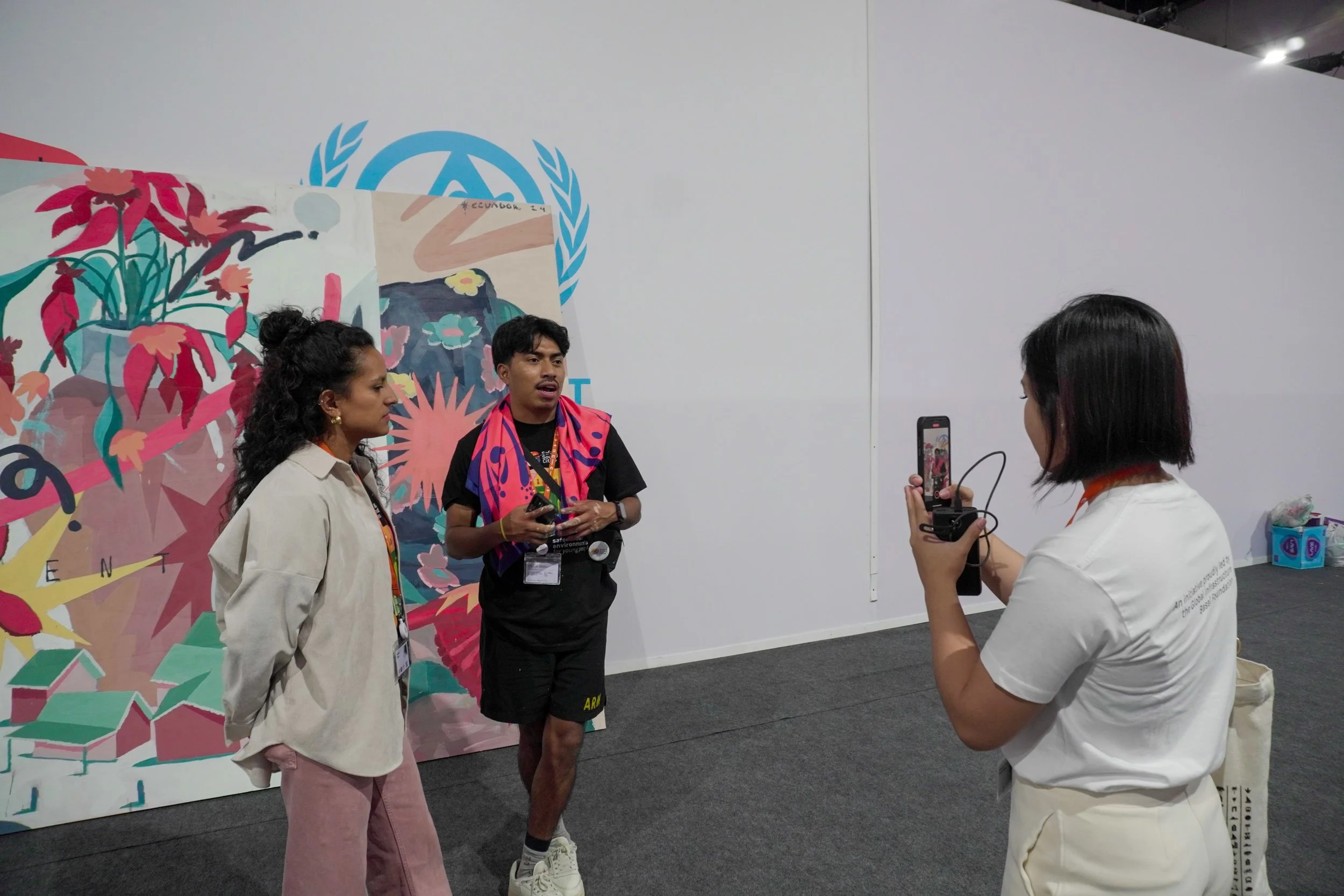
World Urban Forum - Fabricio Cáceres and Nicolás Cedillo took part in the World Urban Forum in Cairo, Egypt, in November 2024. There, they had the opportunity to present their projects and ideas in different forums and panels. In addition, Luis Alberto Chocó "Beto," a young Ecuadorian artist from the S2Cities group, created a mural with the support of UN-Habitat showing Ecuadorian and Egyptian culture.

BETO AT THE WORLD URBAN FORUM - MURAL “IDENTITY”