HEALTHY CITIES FOR ADOLESCENTS (HCA)
Alza Tu Voz
What is Alza Tu Voz?
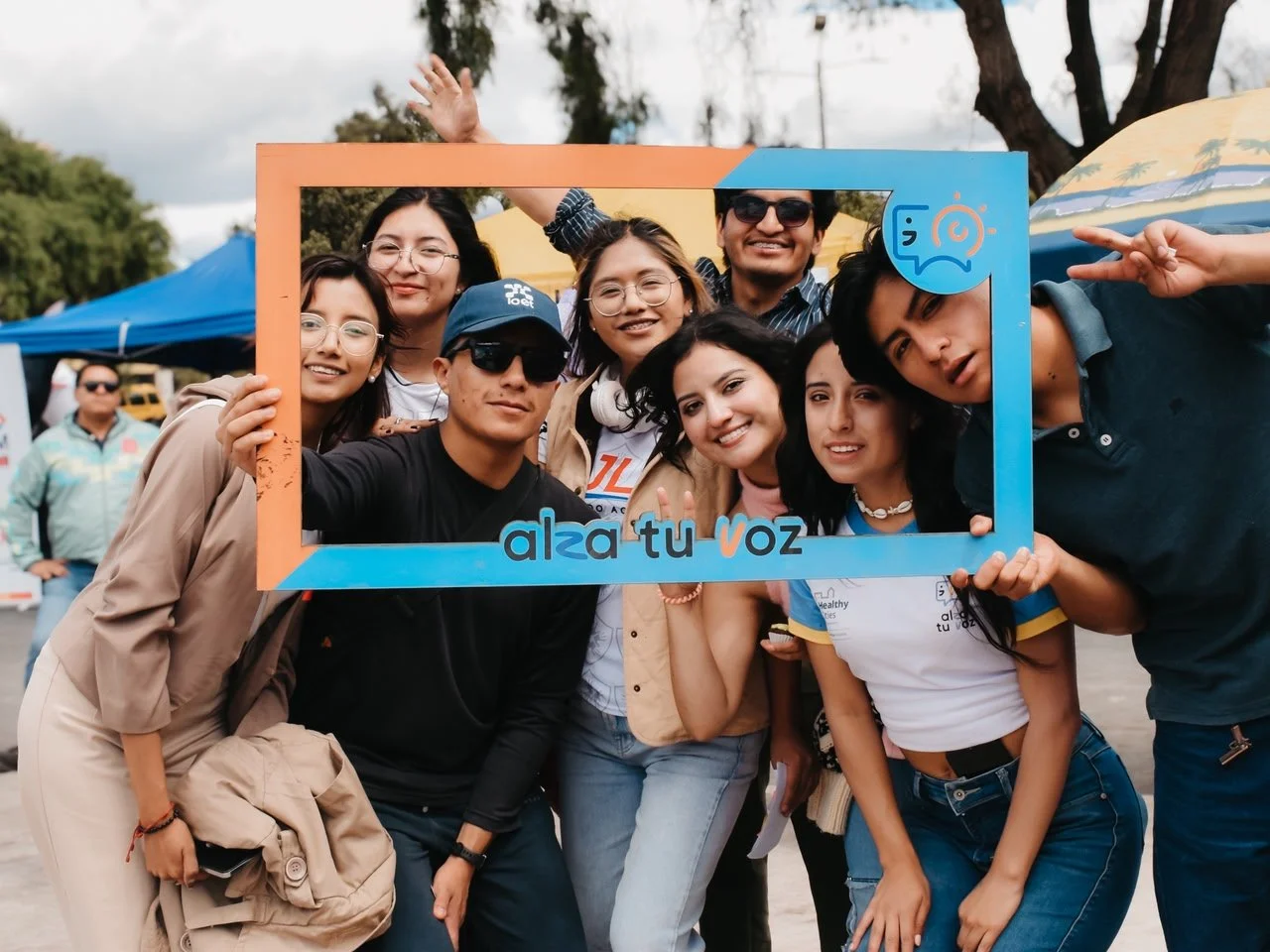
Alza Tu Voz is a project that drives healthier, safer, and friendlier cities for adolescents in Riobamba and Quevedo. Together with adolescents, local governments, organizations, and communities, we work so that young people can take ownership of their cities, participate in the decisions that affect them, and transform spaces into places of well-being.
The project focuses on three key aspects:
Learning and growing together
We strengthen capacities through processes of urban pedagogy, participation, and youth leadership, so that adolescents understand and transform their environment.
Participating to be heard
We promote spaces where adolescents can express ideas, propose solutions, and engage in dialogue with local governments to influence their cities.
Well-being and mental health
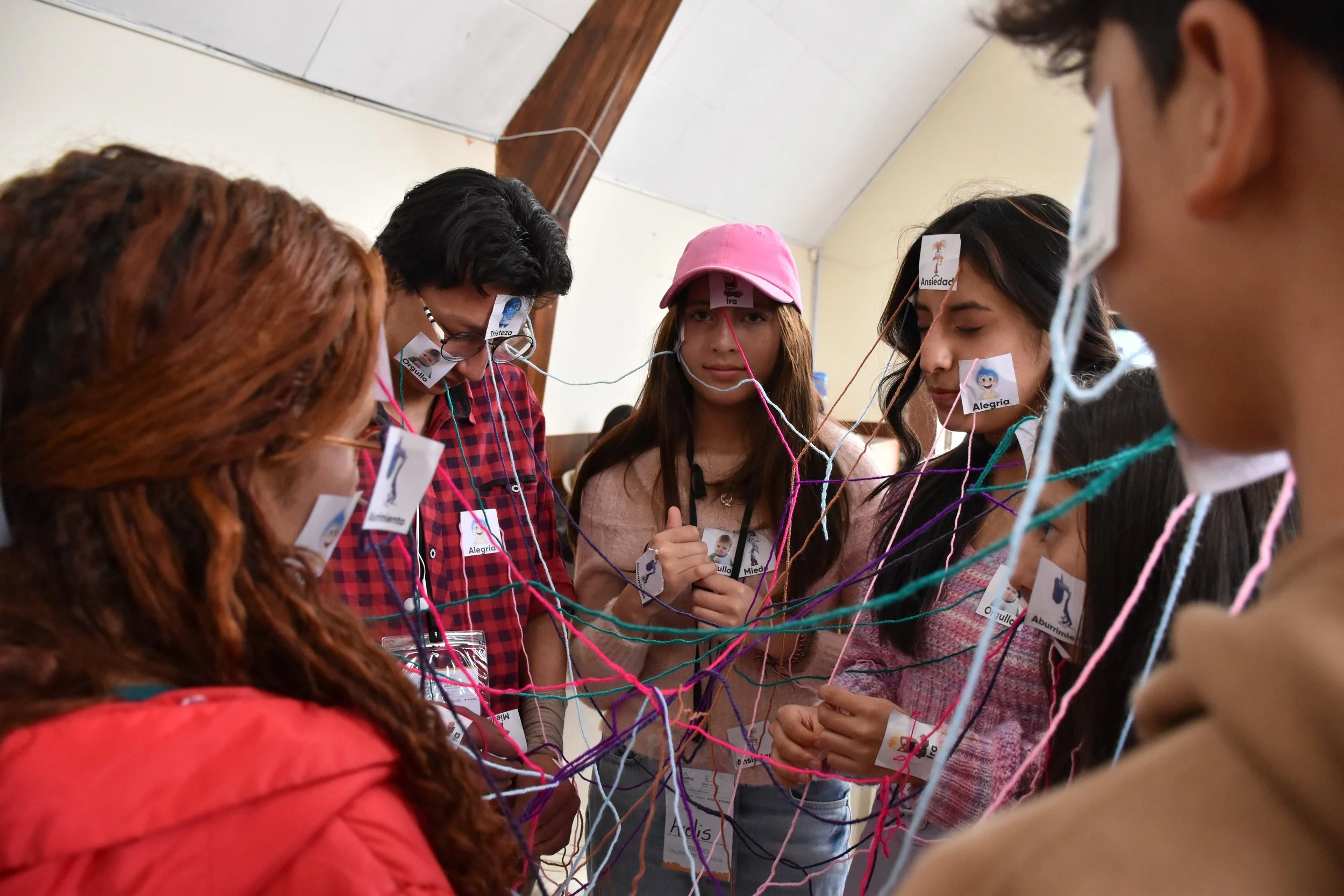
We foster safer, healthier spaces for gathering, strengthening networks of care, emotional well-being, and community bonds.
About the project
Healthy Cities for Adolescents (HCA) is a global initiative driven by Fondation Botnar to improve the well-being of adolescents through more inclusive, healthy, and participatory cities.
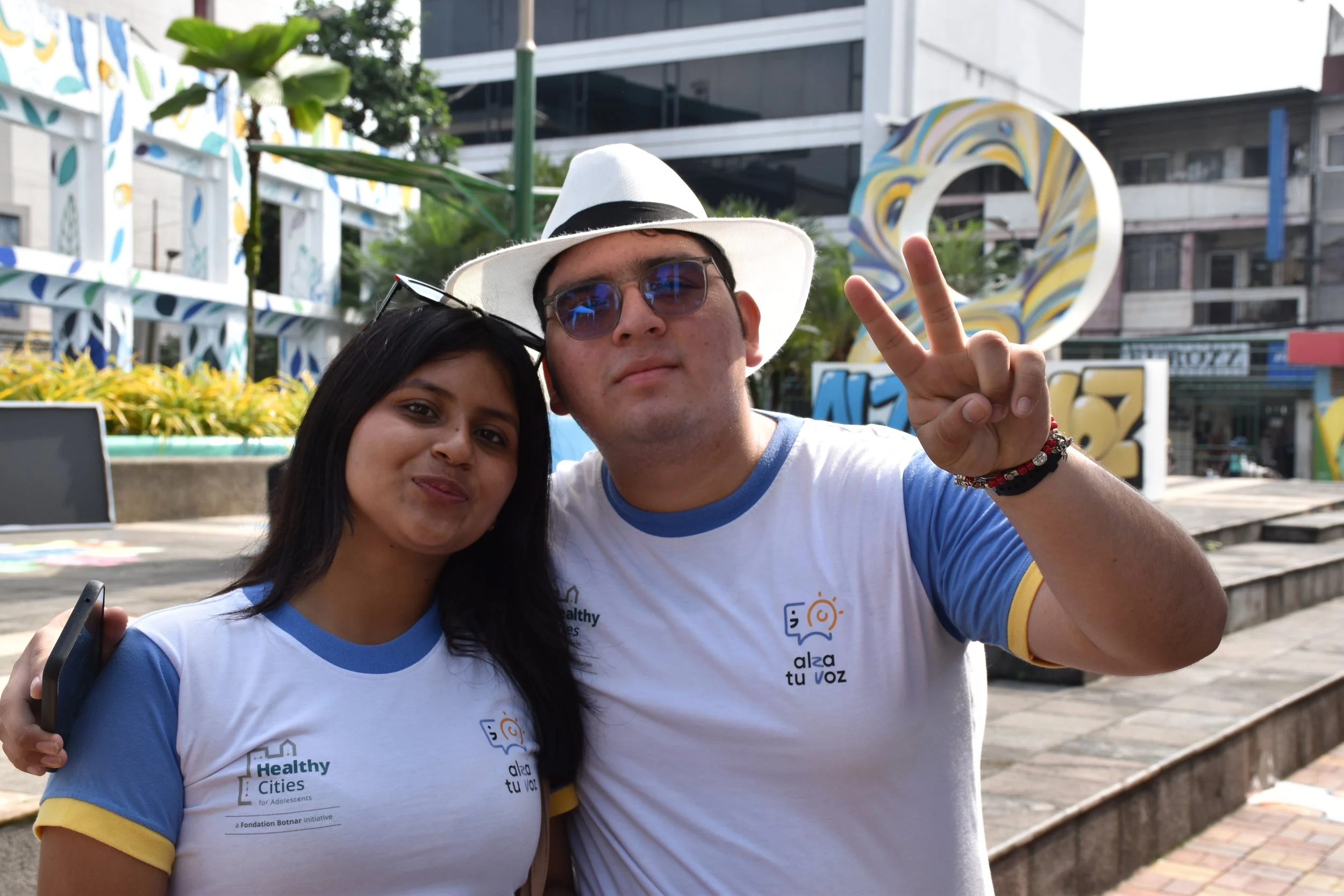
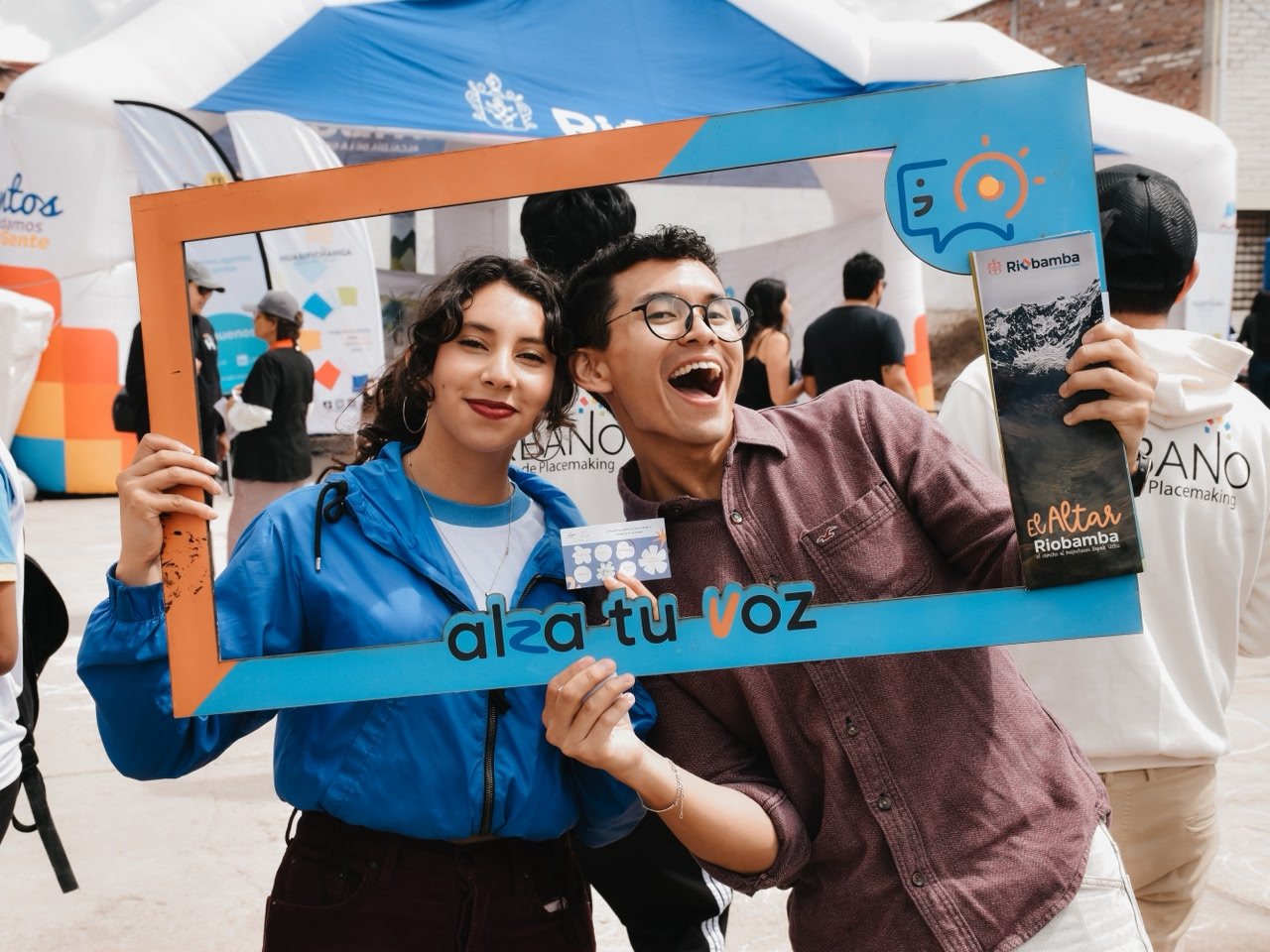
In Ecuador, this program takes shape through Alza Tu Voz, an initiative led by LAB XXI in partnership with Fundación Datalat, Huasipichanga, the Municipal GADs of Quevedo and Riobamba, and the Escuela Superior Politécnica de Chimborazo (ESPOCH).
The project was born out of a participatory process in which adolescents identified needs, shared experiences, and proposed ideas to imagine cities where they truly want to be, participate, and feel part of something.
How it was co-created
Between July and December 2023, adolescents from Quevedo and Riobamba actively took part in building Alza Tu Voz. We wanted to understand what they need to feel better in their cities and how we could build solutions together with them.
Participatory diagnosis
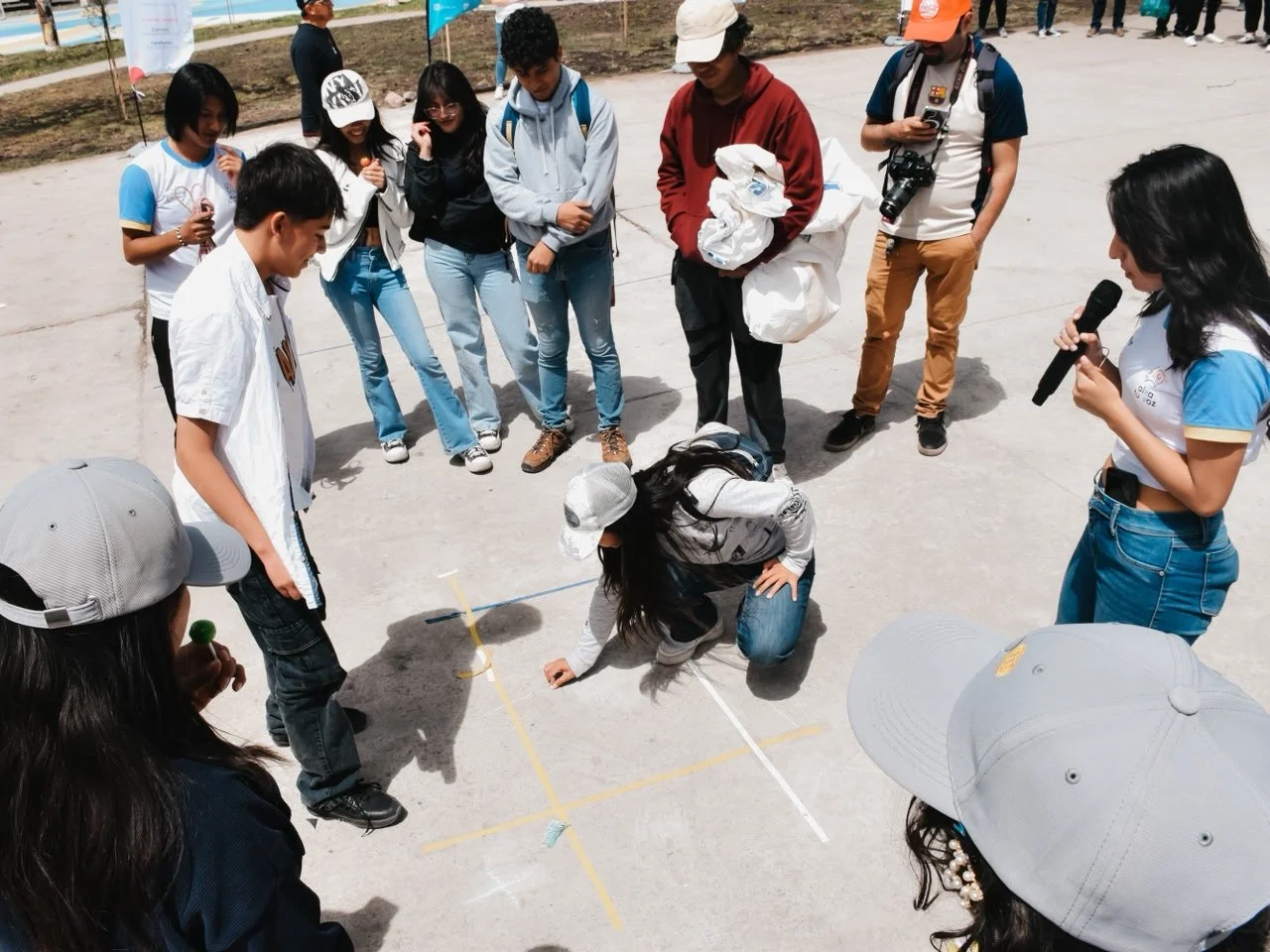
Together with adolescents, local governments, and social organizations, we identified challenges, opportunities, and priorities through urban walks, creative methodologies, workshops, and participatory spaces.
Prioritization sessions
We contrasted findings and built a shared vision together with the Core Groups, local actors, civil society, and the project consortium to define action priorities.
Co-design of the project
Adolescents, institutions, and organizations took part in the joint creation of strategies, activities, and proposals for the coming years of implementation.
The result?
A project built with adolescents and not just for adolescents.
Riobamba: transforming a park for adolescents
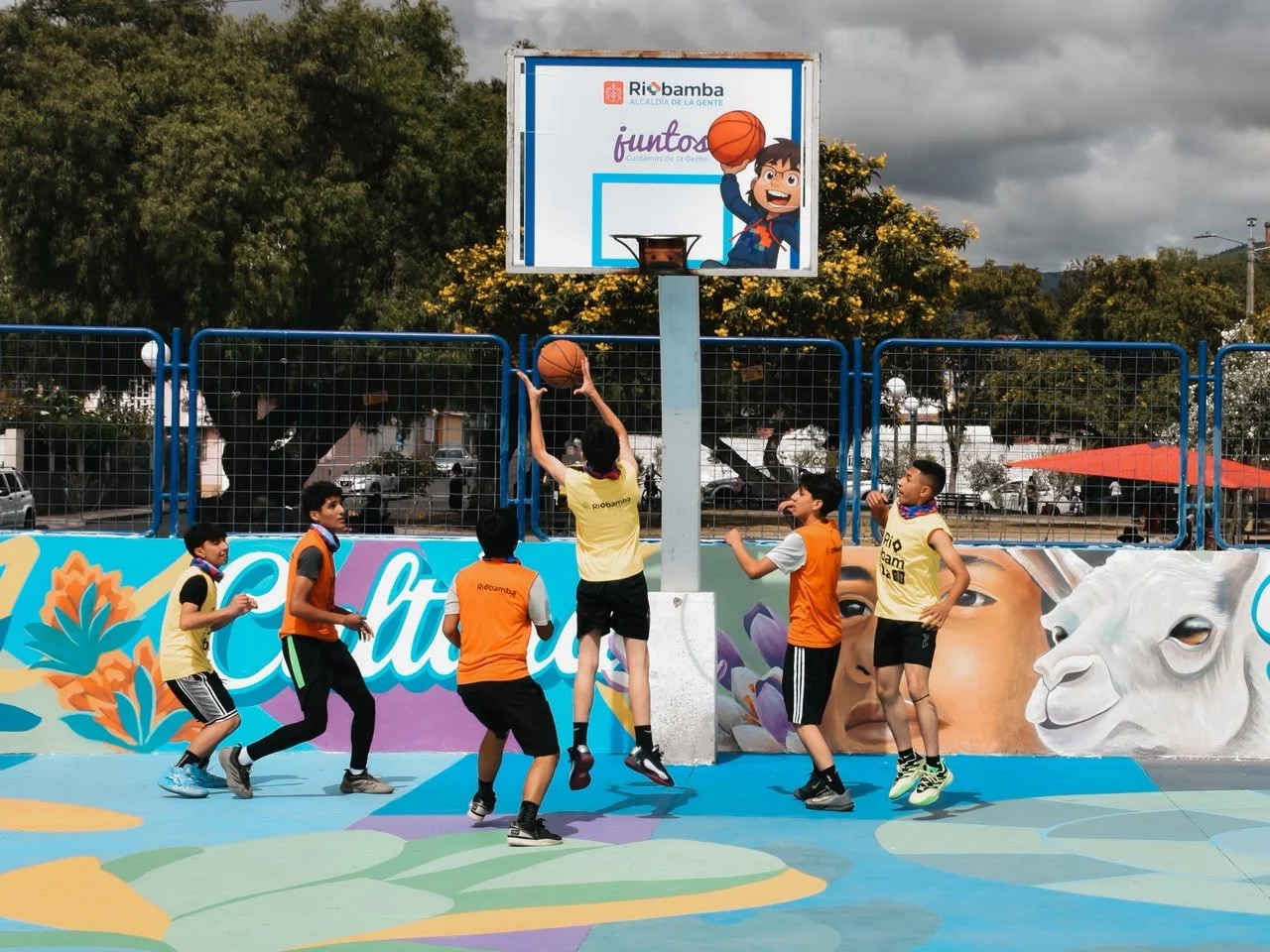
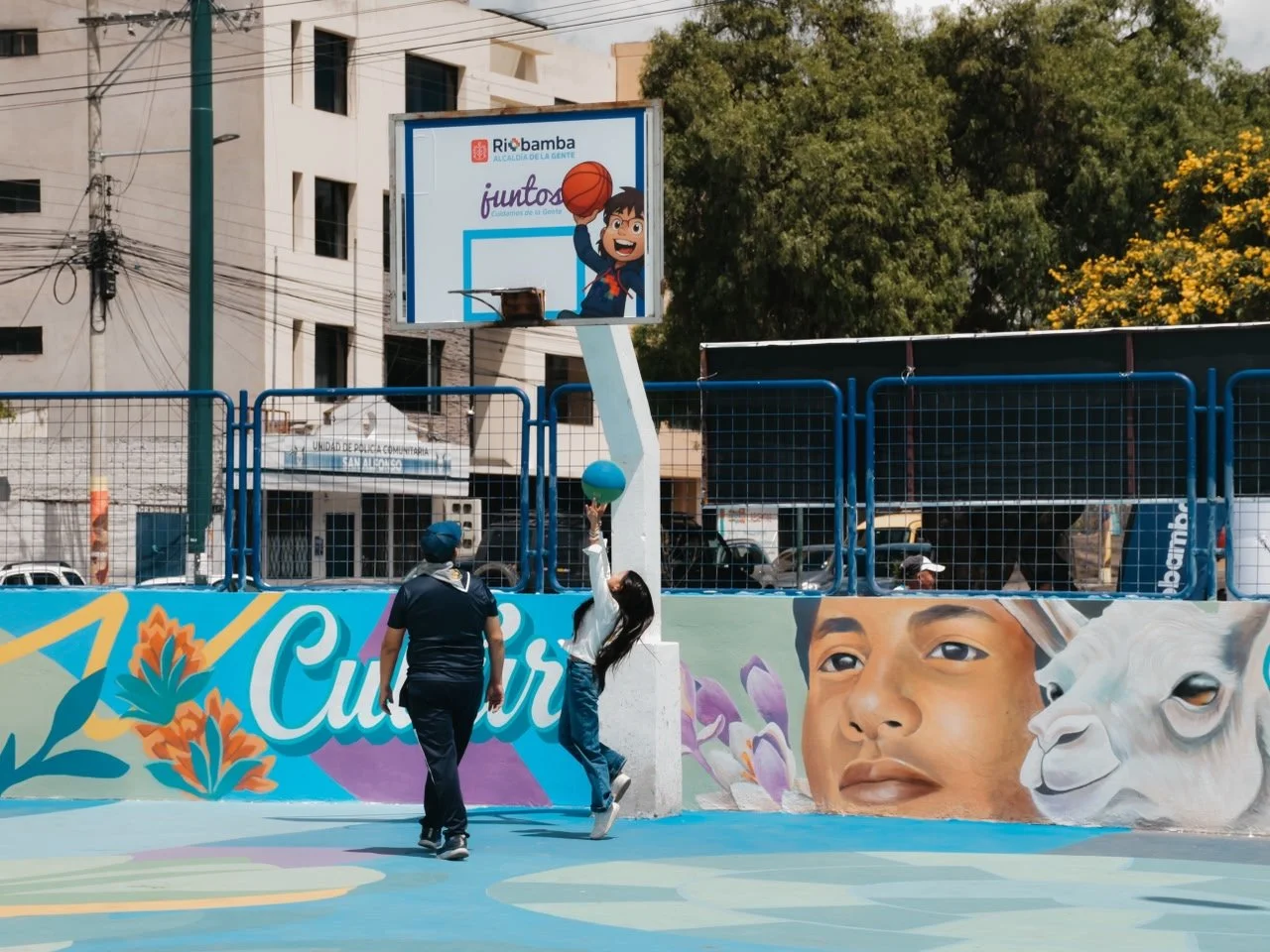
One of the project's shared dreams was to enable adolescents to live in, gather in, and take ownership of the public spaces of their city. Today, this is beginning to come true in Riobamba.
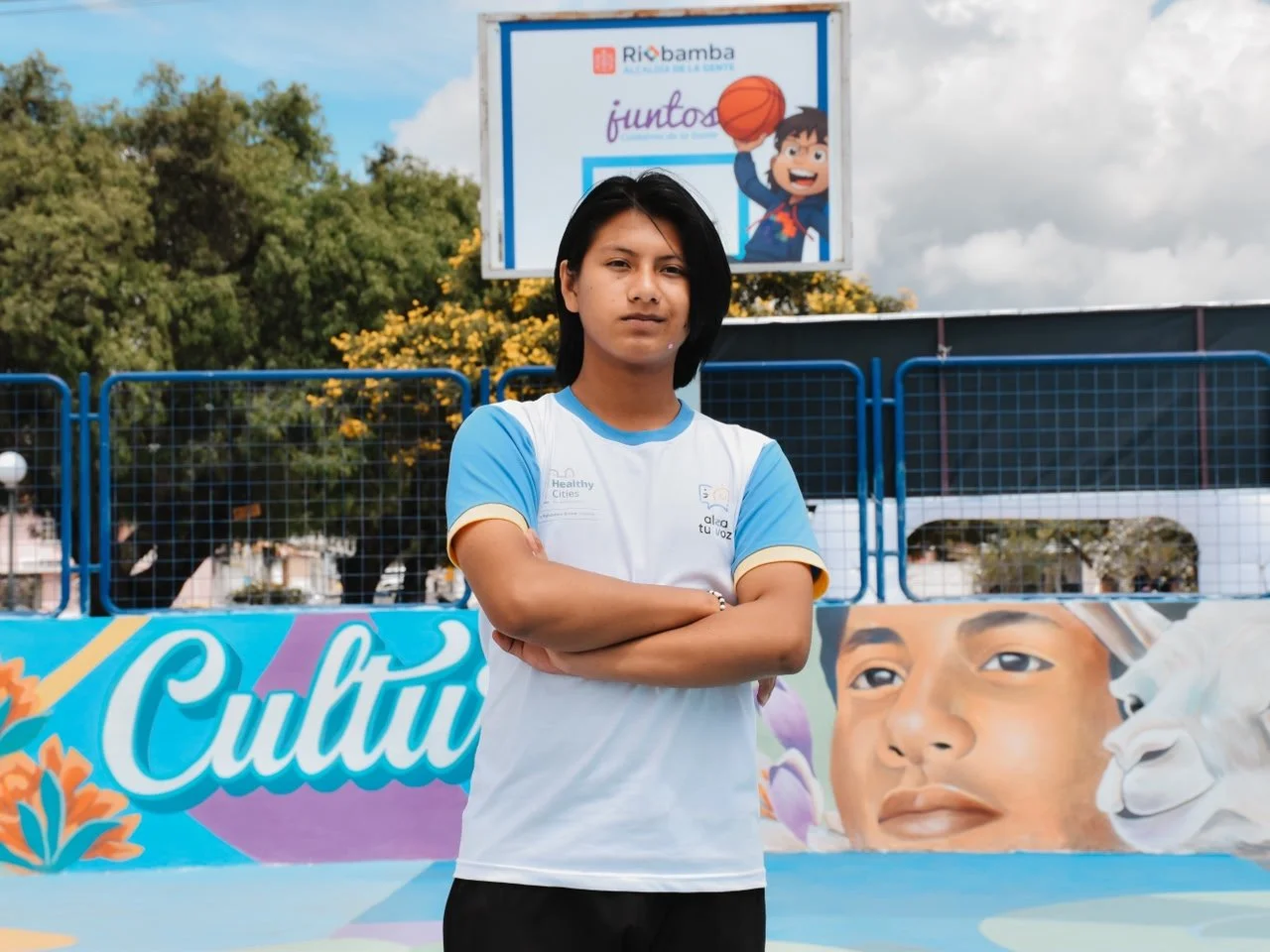
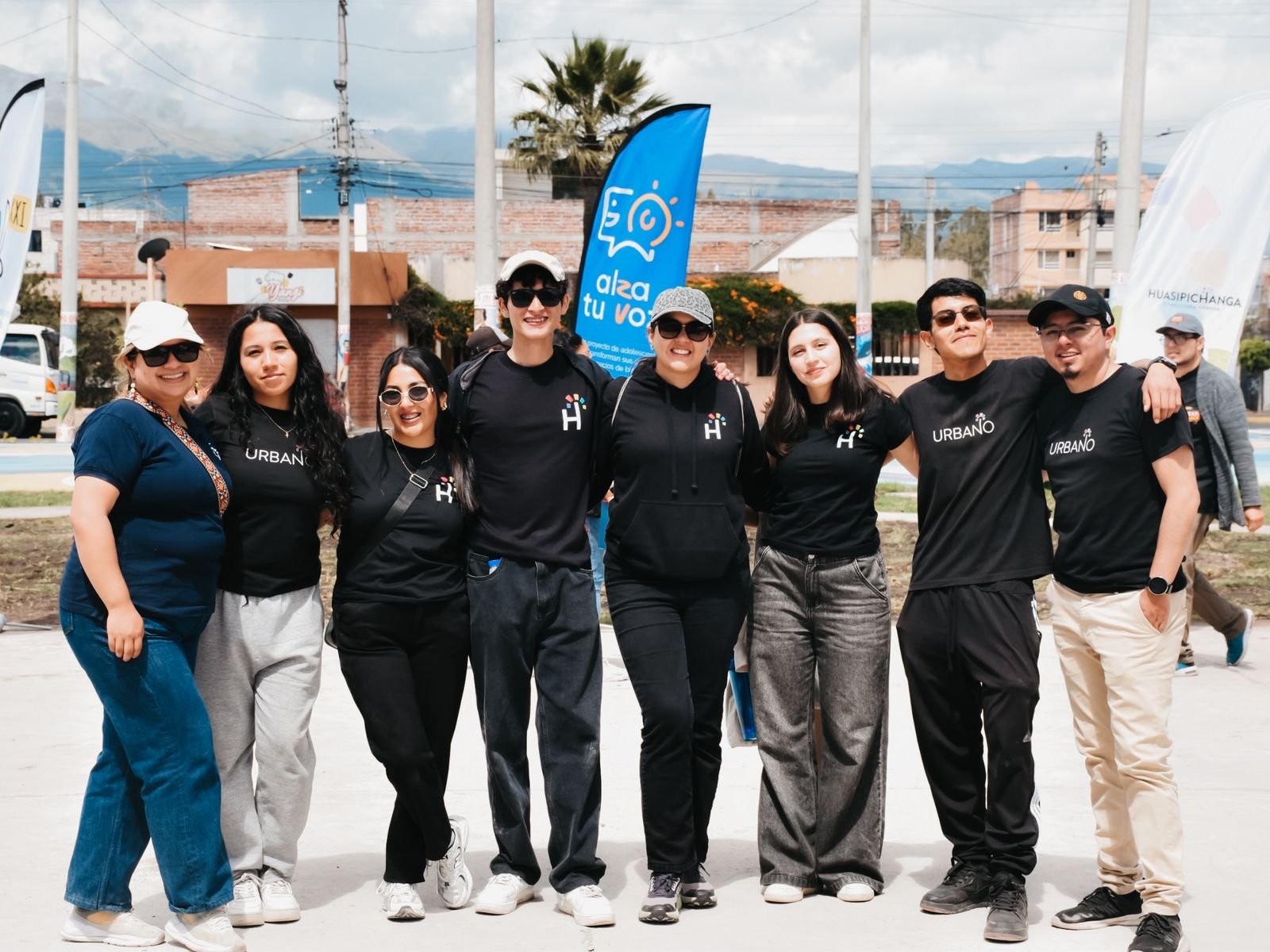
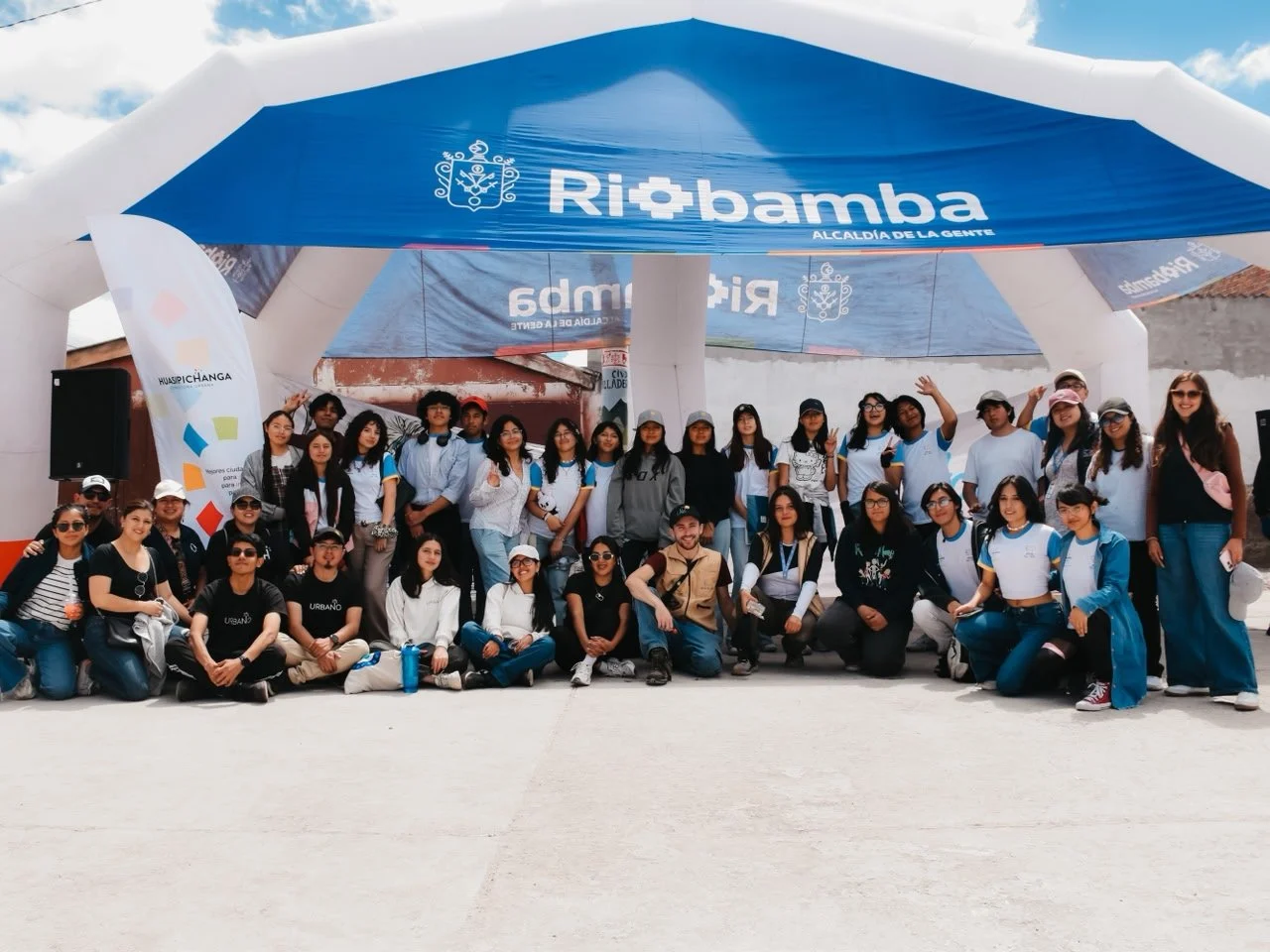
After several months of training in tactical urbanism, urban pedagogy, data collection, and co-creation processes together with adolescents, Huasipichanga, LAB XXI, Fundación Datalat, the Municipality of Riobamba, and other local actors drove the revitalization of the park in the Bellavista neighborhood, today recognized as the Neighborhood of Adolescents.
This intervention included:
Participatory murals co-created together with adolescents and urban artists.
Planting of more than 200 trees and shrubs to improve the environment and strengthen environmental well-being.
Rehabilitation of pedestrian crossings to reduce vehicle speeds and improve road safety around the park.
Installation of multifunctional furniture for adolescents and the community to gather, play, and stay.
Co-investment with the Municipality of Riobamba, making it possible to expand the scope of the intervention and strengthen the comprehensive transformation of the space.
More than rehabilitating a park, we sought to create a place where adolescents want to stay, gather, express themselves, and feel that the city belongs to them too.
Why does it matter?
When adolescents participate, cities change.
Alza Tu Voz shows that when adolescents have spaces to learn, propose, and act, it is possible to transform not only parks and streets, but also their relationships with their communities, local governments, and the way they experience the city.
Because a healthy city is also a city where adolescents can feel heard, safe, and part of it.
Quevedo: reclaiming the park as a space for gathering
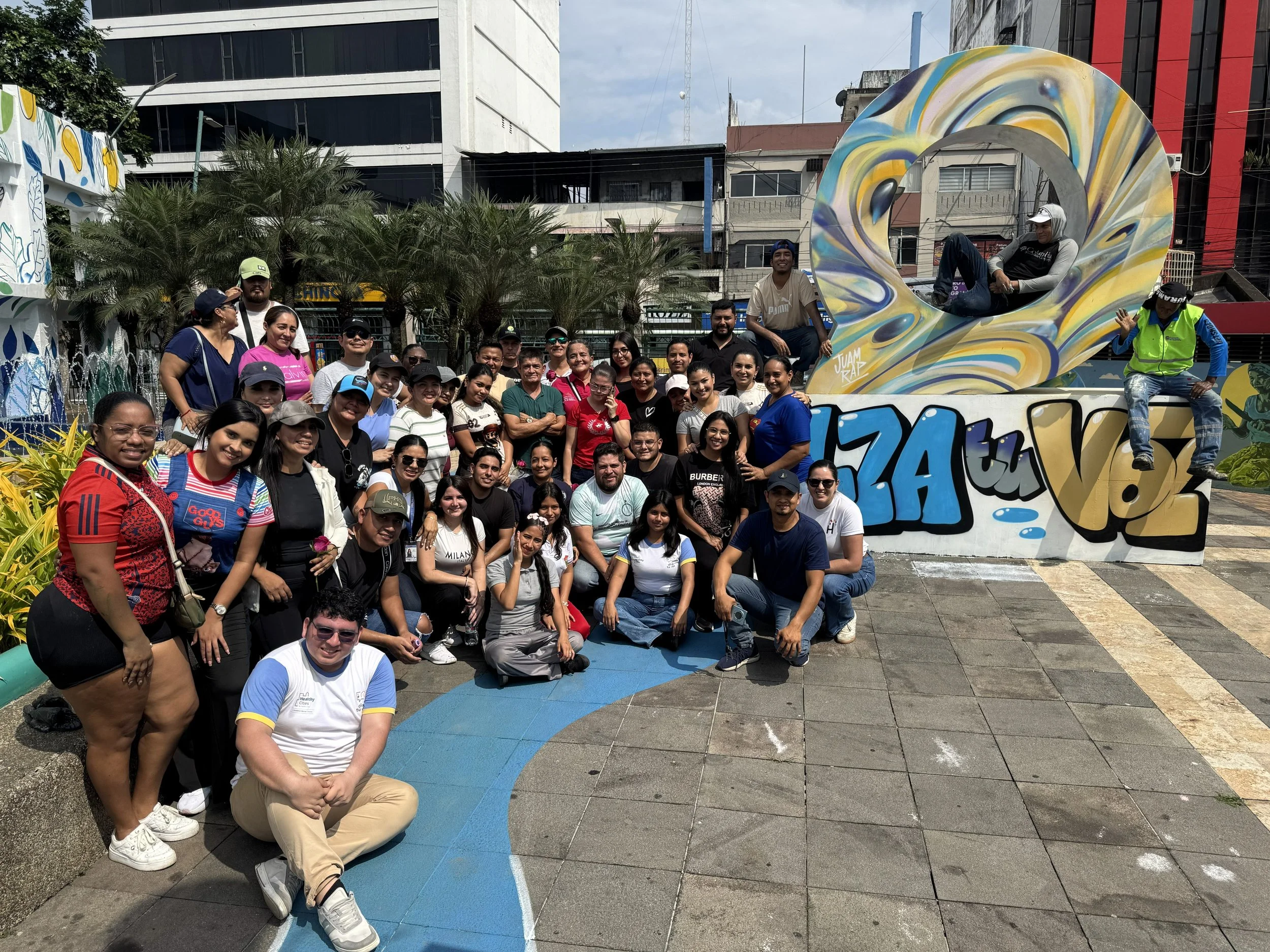
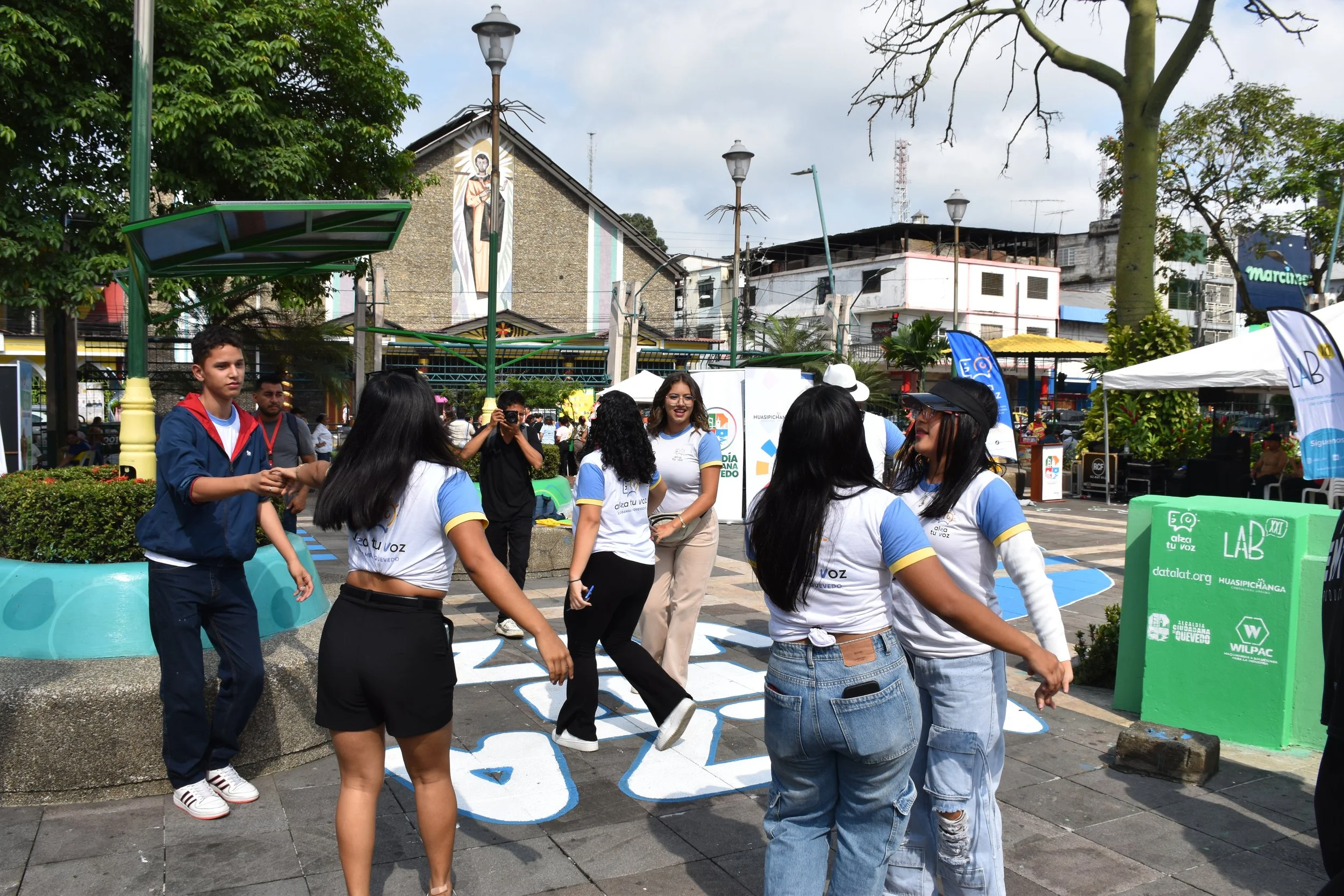
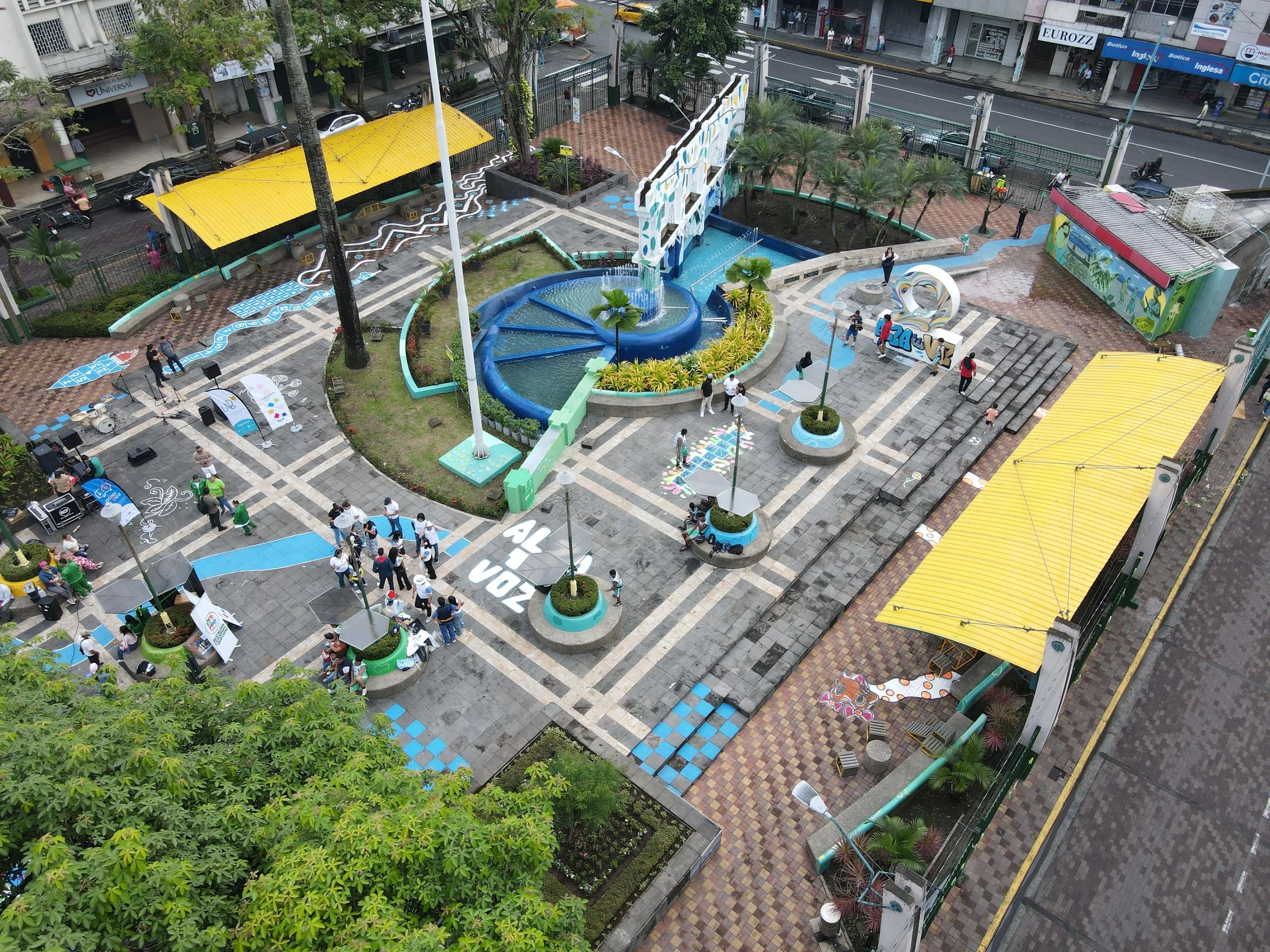
In Quevedo, the project drove the transformation of the central park into a safer, more active space, taken ownership of by adolescents and the community. Through participatory processes, community activities, and coordinated work with local actors, an intervention was promoted aimed at giving new meaning to public space through gathering, well-being, and coexistence.
As in Riobamba, adolescents took part in processes of learning, diagnosis, and co-creation to imagine a friendlier and more active park, while the community, institutions, and local allies joined in the implementation.
The revitalization included:
Participatory painting and urban improvements to visually revitalize the space and make it more welcoming.
Recovery and refurbishment of existing furniture, promoting more functional spaces for gathering and staying.
Active participation of adolescents and the community in collaborative park transformation workdays.
Processes of community appropriation and activation of the space, strengthening the bond between citizens and public space.
More than intervening in a park, we sought to strengthen spaces where adolescents and the community can come together, feel safe, and build new ways of inhabiting the city.