PLACEMAKING AND URBAN INNOVATION COURSE
Everything stems from the Student Participation Program "Healthy and Safe Young People: Stories and Advocacy to Transform Public Space," a pedagogical proposal developed within the framework of Safe and Sound Cities Cuenca, which seeks to turn high school students into active actors in the construction of safer, healthier, and more inclusive cities.
Duration and hours
The program runs from September 2025 to June 2026, with a total of 80 pedagogical hours, distributed in 2-hour weekly sessions during the school period. It is aimed at young students between 15 and 18 years old.
What is it about?
The course strengthens youth participation in understanding and transforming the urban environment. Throughout the process, students address topics such as the right to public space, citizen coexistence, urban safety, and the role of youth in building healthier cities. The contents are organized into three phases: information, execution, and presentation, combining reflection, territorial research, community action, and the sharing of results.
How does it work?
The methodology combines two complementary phases:
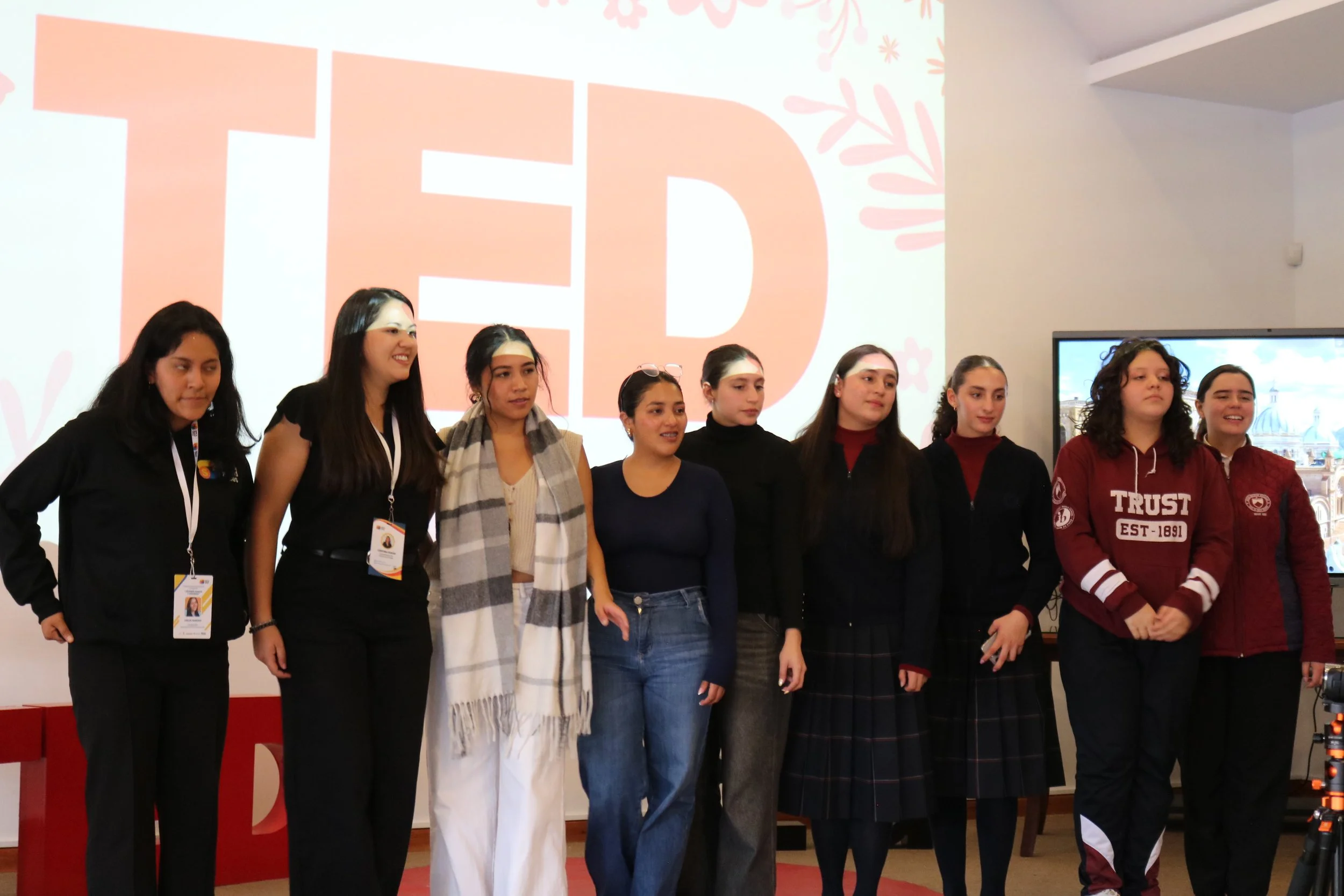
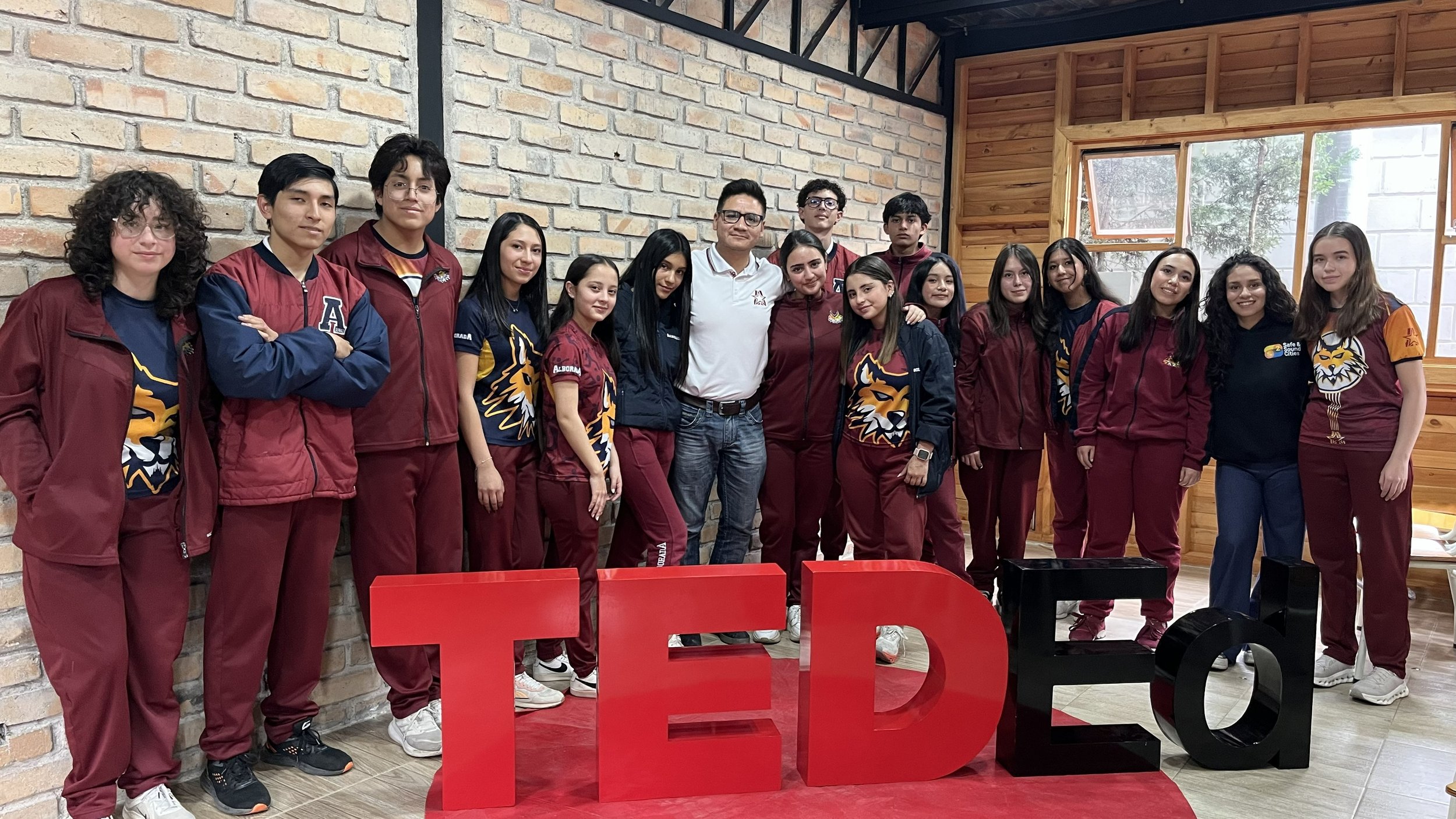
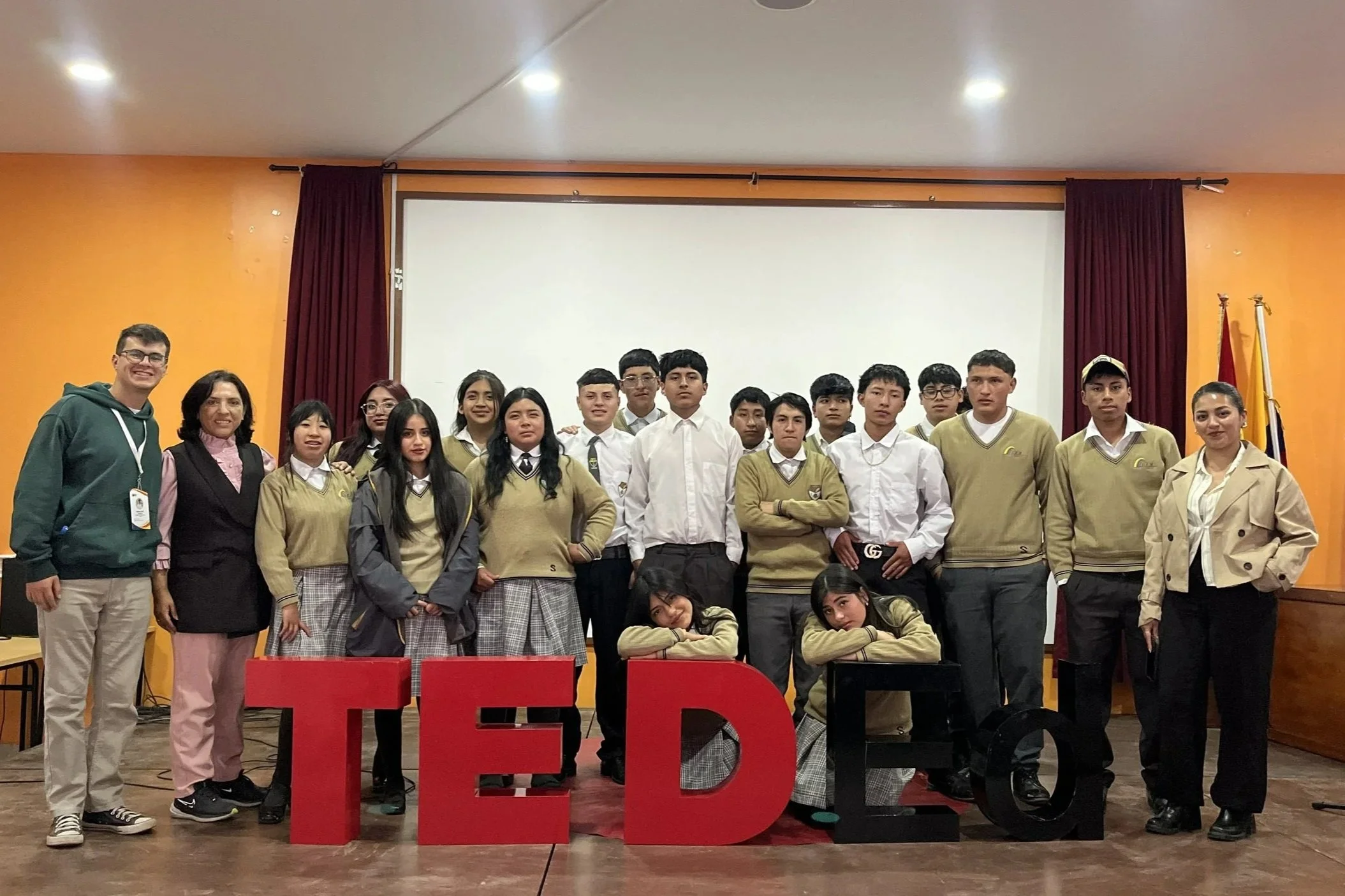
In the first phase (approx. 10 weeks), using the TED-Ed Clubs methodology, each student builds a personal talk where they explore how they perceive and experience public space: what they value, what worries them, and what challenges they identify. It is an exercise that strengthens critical thinking, storytelling, and communication, and that concludes with presentations before other young people, teachers, and families.
In the second phase, the process moves from individual reflection to collective action. Students organize into teams to design an intervention project in the nearby public space, supported by the Placemaking and Urban Innovation course (developed by Huasipichanga and Integrar, with the support of the ALAU educational platform): 12 virtual modules that guide them step by step to identify problems, generate ideas, design solutions, and plan their projects. In the end, each institution chooses its most representative project and, among the ten, two initiatives receive specialized support and an implementation fund.
Participating institutions:
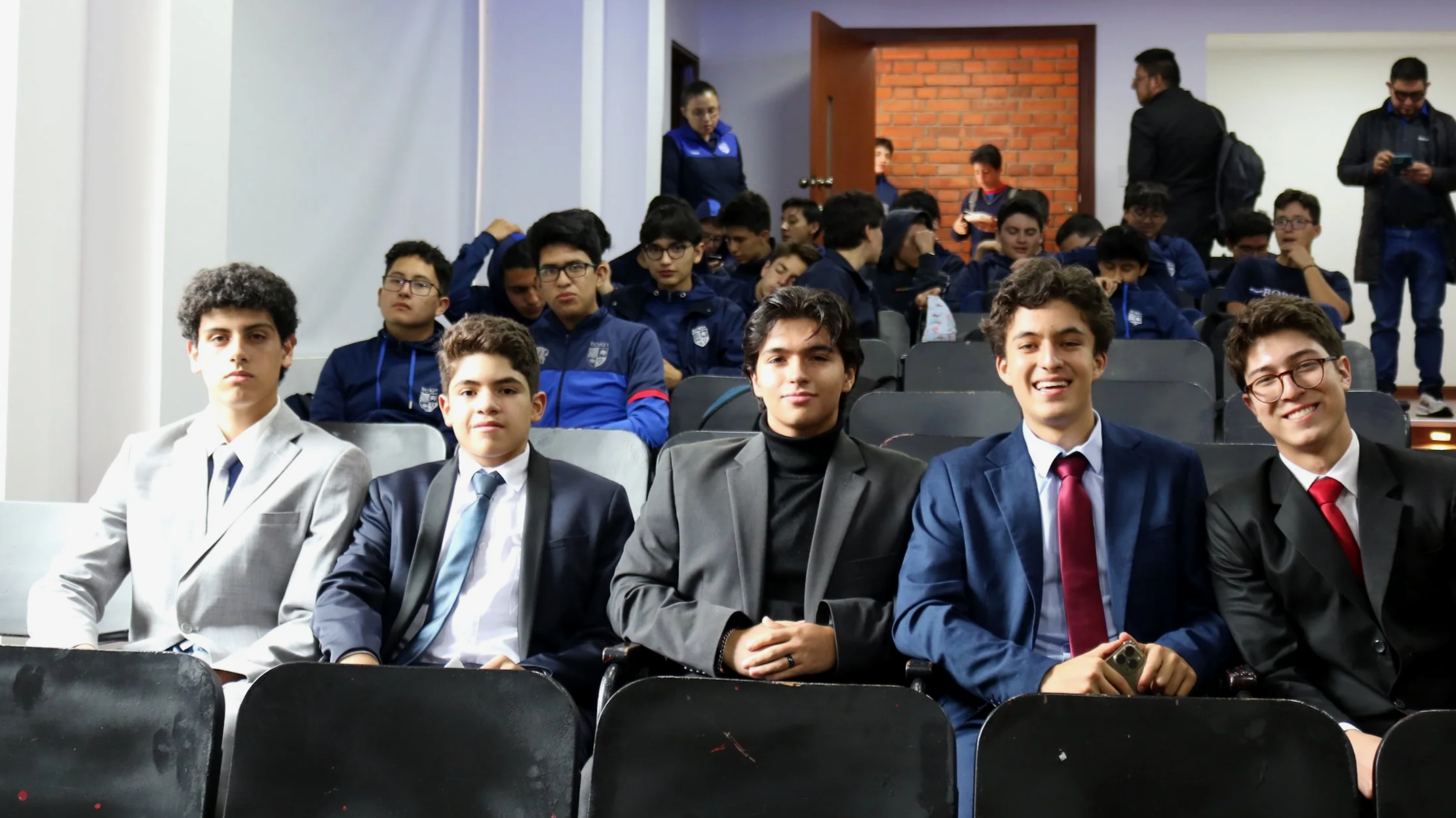
Unidad Educativa Luis Cordero, Unidad Educativa César Dávila, Unidad Educativa Fray Vicente Solano, Unidad Educativa Sayausí, Unidad Educativa Particular Porvenir, Unidad Educativa Particular Borja, Unidad Educativa Particular Rosa de Jesús Cordero, Unidad Educativa Particular Alborada, Unidad Educativa Particular Las Cumbres, and Colegio Alemán Stiehle.
What we are learning:
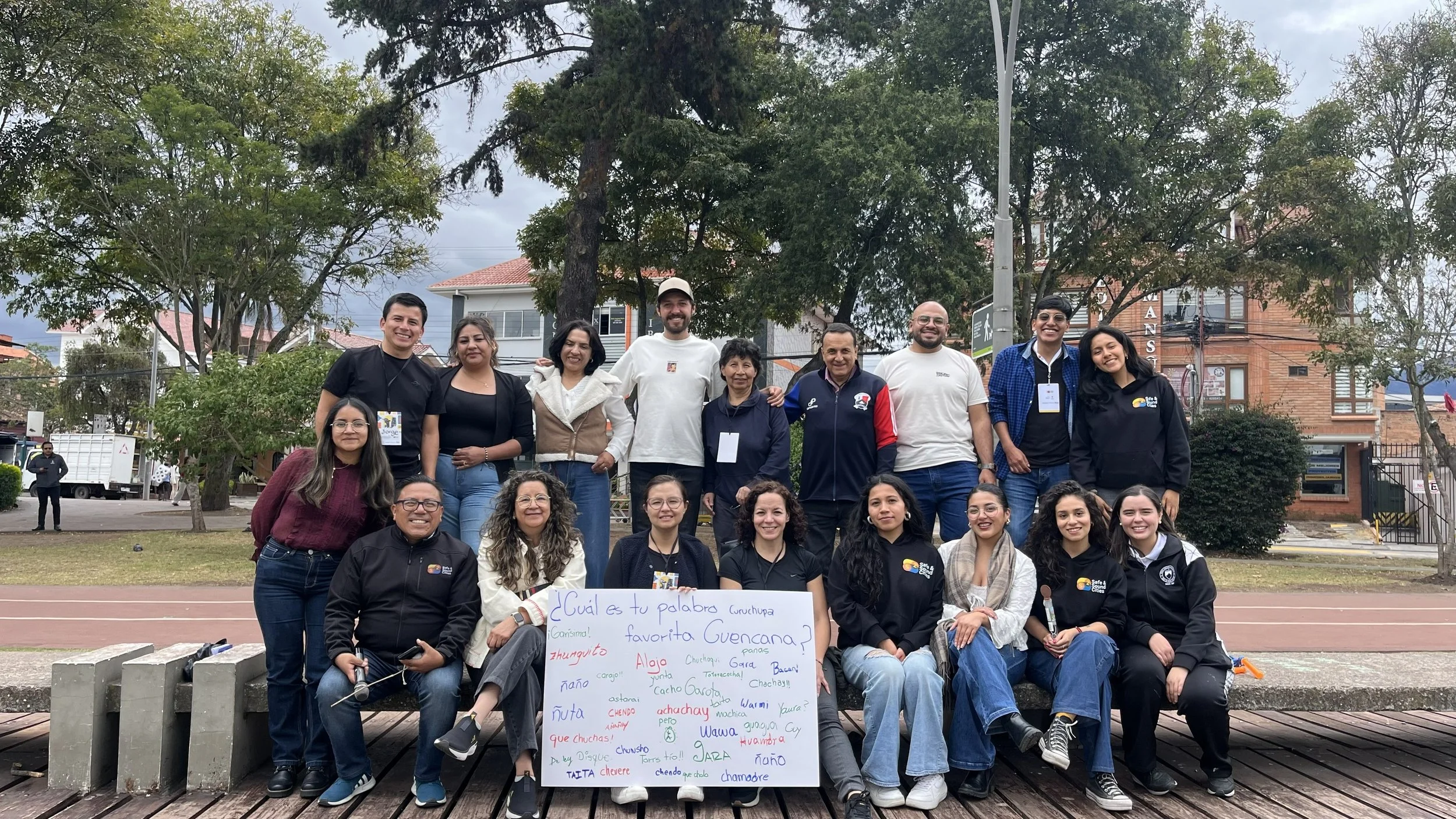
The most valuable thing has been the enthusiasm and commitment of the young people: they took on the process with motivation and shared their talks with emotion, authenticity, and generosity, generating deep dialogues within their educational communities. When opportunities are created for young people to express their view of the city, they respond with creativity and a strong sense of participation. The active participation of teachers in the training sessions has also been key, as it facilitated the ownership of the process in each institution.
What the TED-Ed talks told us
The talks by students from the ten institutions revealed clear trends about how they experience their environment:
Safety and coexistence: concern about insecurity in streets and public spaces, but also about less visible forms of violence within the home.
Mental health and well-being: academic stress, pressure to meet expectations, emotional loneliness (even when surrounded by people), and a critical view of the excessive use of social media.
Identity and relationships: challenges such as bullying and cyberbullying, pressure over personal image, and fear of social judgment.
Sources of well-being and resilience: sports, art, music, and dance as refuges, along with the value of feeling heard and having safe spaces for gathering.
Relationship with the city and the environment: concern about pollution, the deterioration of public spaces, and the loss of ecosystems, along with a great appreciation for Cuenca's natural and cultural potential.
Institutional support
Implementation is carried out by the Safe and Sound Cities Cuenca Consortium (Fundación Huasipichanga, Integrar Cía. Ltda., and Fundación Amaru), in coordination with the Ministry of Education of Ecuador – Zonal Coordination 6, within the framework of the Student Participation Program.
Where are we now?
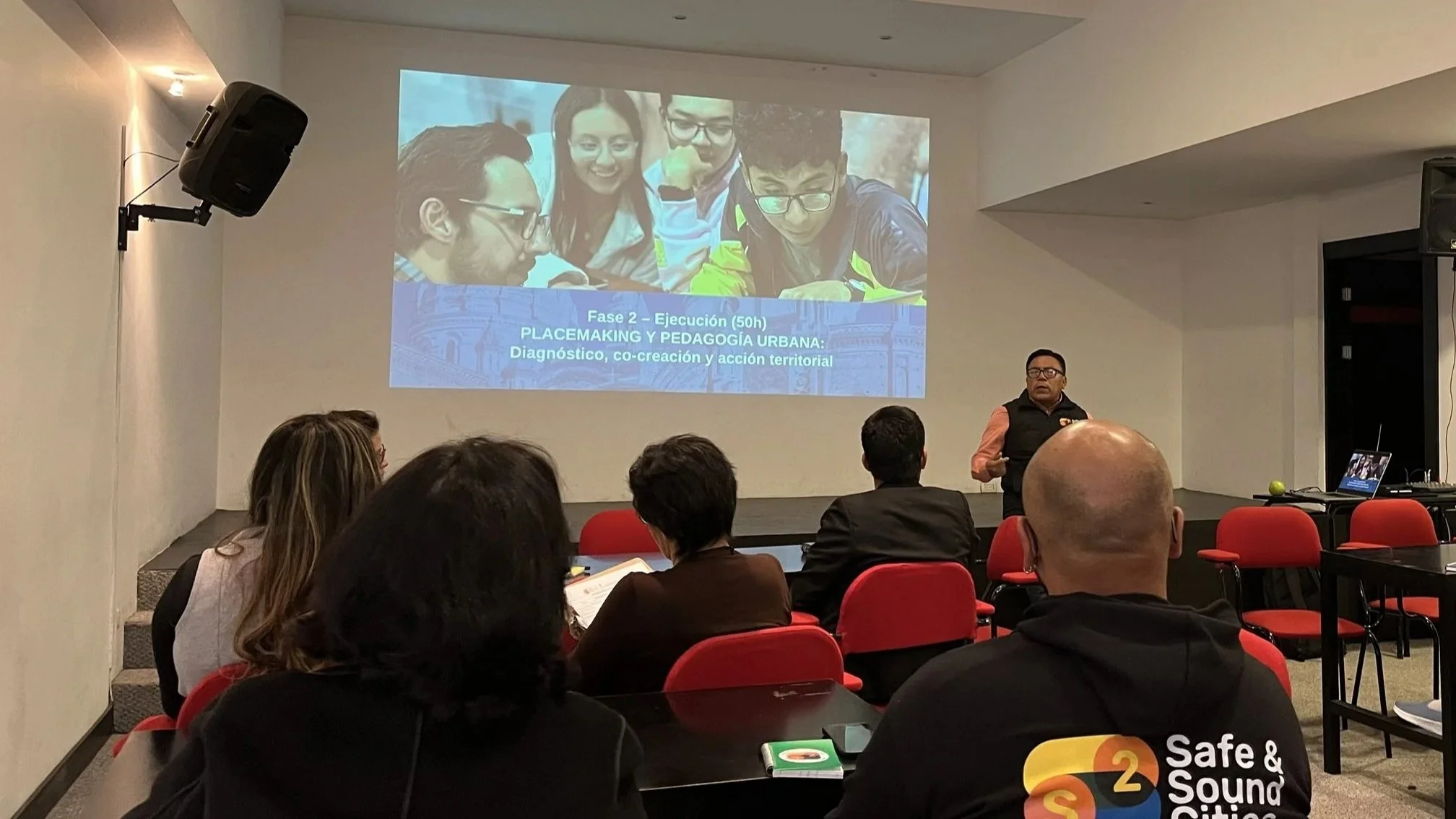
The process began in May 2025 with the invitation to educational institutions. In August, we trained the teachers, and the program formally kicked off. In January 2026, we carried out a second training, focused on placemaking and public space, along with the launch of the course's digital platform. To date, young people have already worked on their TED-Ed talks about their relationship with and experiences of the space they inhabit.